
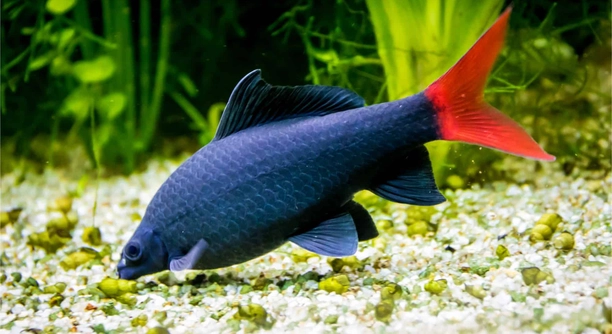
Rainbow sharks are popular aquarium fish known for their bright colors and active nature. Many owners want to keep them healthy and happy in their tanks. Recognizing the signs of a healthy rainbow shark is important for proper care.
A healthy rainbow shark shows vibrant coloration, clear eyes, smooth scales, normal swimming behavior, a good appetite, and no visible signs of illness or distress. Regular observation helps maintain their well-being in a home aquarium.
Knowing these key indicators will help you spot any problems early and ensure your rainbow shark thrives in its environment.
Vibrant Coloration and Clear Eyes
A rainbow shark’s bright colors are one of the first signs of good health. When the red, black, and silver shades are vivid, it usually means the fish is thriving. Dull or faded colors can indicate stress, illness, or poor water quality. Clear, bright eyes are also important. Cloudy or bulging eyes may signal infections or other problems. It’s a good idea to watch your rainbow shark regularly to notice any changes in its appearance. Keeping the tank clean and maintaining proper water conditions help preserve these healthy traits. Proper nutrition also supports strong coloration. Feeding your fish a balanced diet with high-quality flakes or pellets designed for tropical fish contributes to its vibrant look. Avoid overfeeding, as leftover food can pollute the water and harm your fish’s health. A well-maintained aquarium and good feeding habits make a big difference in how your rainbow shark looks and feels every day.
Clear eyes and bright colors together show your rainbow shark is likely in good health and comfortable in its tank environment.
Watching for these signs helps you keep your fish looking its best and feeling well.
Normal Swimming Behavior and Good Appetite
Active swimming and interest in food are strong indicators your rainbow shark is healthy. These fish usually move smoothly and explore the tank, showing alertness. If your fish stays hidden, floats oddly, or moves sluggishly, something may be wrong. Feeding time is a good chance to observe appetite. A healthy rainbow shark eagerly eats and finishes its food without hesitation. Loss of appetite often signals stress or illness. Maintaining a stable environment with consistent water temperature and quality helps promote normal behavior. Avoid overcrowding the tank, which can cause stress and reduce swimming space. When your fish swims confidently and eats well, it’s a sign that it feels safe and comfortable. Regularly monitoring these behaviors allows you to catch early signs of health issues and respond quickly. Providing hiding spots and plants can also encourage natural activity and reduce stress. Keeping these factors in mind ensures your rainbow shark stays lively and strong.
Observing natural swimming and a healthy appetite gives insight into your fish’s overall well-being.
Pay attention to these behaviors for early detection of possible problems.
Feeding a varied diet with occasional treats like bloodworms or brine shrimp adds nutrition and keeps your rainbow shark interested in its meals.
Smooth Scales and No Visible Injuries
Healthy rainbow sharks have smooth, intact scales without any signs of damage. Missing scales, wounds, or white spots can be signs of illness or injury. Keeping the tank clean and avoiding aggressive tank mates helps prevent these issues.
Damaged scales or white patches may indicate fungal infections or parasites. These problems can worsen quickly if untreated. Regular observation allows early detection. Clean water with proper filtration reduces the risk of infections. If you notice any abnormalities, isolate the fish to avoid spreading disease. A balanced diet and stable environment also help maintain strong skin and scales.
Avoid rough decorations or overcrowding, which can cause physical harm. Taking these precautions supports your fish’s overall health and appearance. Healthy scales show your rainbow shark is well cared for and comfortable in its home.
Normal Breathing and Gills
Your rainbow shark’s breathing rate should be steady and calm. Rapid or labored breathing may point to poor water quality or illness. Proper oxygen levels in the tank are essential to keep breathing normal. Test water regularly and perform water changes as needed to maintain a healthy environment.
Gills should look clean and move smoothly when the fish breathes. Red or swollen gills can indicate infections or irritation. Avoid overcrowding the tank, as this can reduce oxygen and stress your fish. When your rainbow shark breathes easily, it shows the tank conditions are suitable and the fish is healthy. Monitoring breathing and gill appearance helps detect problems before they become severe. Consistent care and maintenance ensure your rainbow shark can breathe comfortably and thrive.
No Signs of Stress
A healthy rainbow shark shows no signs of stress such as hiding constantly or erratic swimming. Calm, steady movements indicate comfort in its environment.
Stress can also cause a loss of appetite or faded colors. Keeping the tank clean and stable helps reduce stress and keeps your fish healthy.
Consistent Body Shape
Maintaining a consistent, well-proportioned body shape is important. A rainbow shark that looks bloated, thin, or uneven may be experiencing health problems like parasites or poor nutrition. Watch for sudden changes in body form, which often signal underlying issues needing attention.
Interaction with Tank Mates
Rainbow sharks should interact peacefully with other fish. Aggressive behavior or being chased frequently can cause stress or injury. Proper tank size and compatible species reduce conflicts and promote a healthier environment.
Clean Tank Environment
A clean tank with proper filtration supports your rainbow shark’s health by reducing toxins and bacteria buildup that can cause illness.
FAQ
How often should I check my rainbow shark’s health?
It’s a good idea to observe your rainbow shark daily. Quick checks help catch any early signs of illness or stress. Look for changes in color, behavior, appetite, and movement. Regular monitoring keeps small problems from becoming serious.
What is a normal swimming pattern for a rainbow shark?
Rainbow sharks usually swim actively around the tank, exploring different areas. They may rest near the bottom but should not stay hidden for long periods. Erratic or slow swimming can indicate health issues or poor water conditions.
Why is my rainbow shark’s color fading?
Fading color often results from stress, poor water quality, or insufficient diet. Make sure the tank is clean and stable, and feed a balanced diet designed for tropical fish. Address any overcrowding or bullying by other fish, which can also cause stress.
How can I improve my rainbow shark’s appetite?
Offering varied foods like high-quality flakes, pellets, and occasional treats such as bloodworms or brine shrimp can encourage eating. Maintain good water quality and stable temperature, as stress can reduce appetite. Feeding small amounts multiple times a day often works better than one large meal.
What signs indicate my rainbow shark might be sick?
Look for dull colors, clamped fins, erratic swimming, loss of appetite, visible injuries, or white spots on the body. Also watch for rapid breathing or swollen gills. These symptoms usually mean it’s time to test water conditions and consider treatment.
How important is tank size for a rainbow shark?
Rainbow sharks need plenty of space because they are active swimmers and can be territorial. A tank of at least 30 gallons is recommended to reduce stress and aggression. Overcrowding increases the risk of illness and injury.
Can rainbow sharks live with other fish?
Yes, but choose tank mates carefully. Rainbow sharks may become aggressive toward smaller or similar-looking fish. Peaceful, larger species that occupy different areas of the tank usually work best. Always monitor interactions to prevent bullying or injury.
What water parameters are best for rainbow sharks?
They prefer temperatures between 72°F and 79°F, a pH level of 6.5 to 7.5, and moderate hardness. Stable conditions are crucial. Regular water testing and maintenance help keep these parameters in range, ensuring the fish’s health.
How often should I do water changes?
Changing 20-30% of the tank water weekly is recommended. This keeps nitrate levels low and removes waste, promoting a healthier environment. Avoid sudden large water changes, which can stress your fish.
What should I do if my rainbow shark shows signs of illness?
First, test the water for ammonia, nitrites, and nitrates. Improve water quality by performing partial water changes and checking filtration. Quarantine the sick fish if possible and consult with a vet or experienced aquarist for treatment options. Early action improves recovery chances.
Taking care of a rainbow shark means paying attention to many small details that show its health. Watching for bright colors, clear eyes, smooth scales, and normal swimming helps you know if your fish is doing well. A healthy appetite and calm breathing are also important signs. These things might seem simple, but they tell a lot about how your rainbow shark feels. When you notice any changes, it is best to act quickly by checking water quality and the tank environment. This can prevent minor problems from becoming serious. Keeping a clean tank, feeding good food, and providing enough space also make a big difference in your fish’s well-being.
Regular observation is one of the best ways to care for your rainbow shark. Spending just a few minutes each day looking at your fish can help you catch early signs of illness or stress. Healthy fish usually move actively, have vibrant colors, and eat well. If your fish hides too much, swims oddly, or loses interest in food, it may need attention. Don’t forget to test your water regularly and do partial water changes to keep the tank safe and clean. Good tank conditions support the immune system of your fish, helping it stay strong against infections or parasites.
In the end, owning a rainbow shark is rewarding when you see it happy and healthy. They add beauty and activity to your aquarium but rely on your care to thrive. By knowing what signs to look for and maintaining a stable environment, you can enjoy watching your rainbow shark for many years. Taking these simple steps helps avoid common health problems and ensures your fish lives comfortably. Remember, small efforts every day lead to a healthy and vibrant rainbow shark in your home aquarium.

Hello,
If you enjoy the content that we create, please consider saying a "Thank You!" by leaving a tip.
Every little bit helps us continue crafting quality advice that supports the health, happiness, and well-being of pets around the world, for pets of all shapes, sizes, and species.
We really appreciate the kindness and support that you show us!