
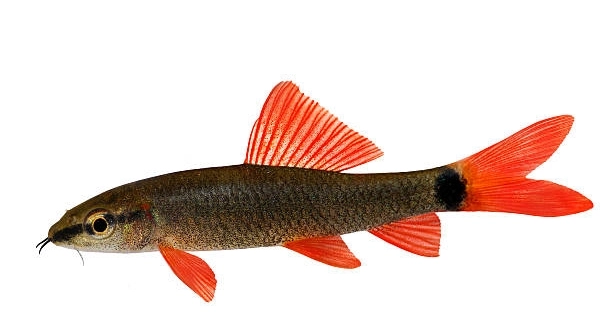
Rainbow sharks are popular aquarium fish known for their active swimming and striking colors. Sometimes, they suddenly stop moving, causing worry for their owners. This article will help you understand what to do when your rainbow shark is not moving.
A rainbow shark that isn’t moving usually indicates stress, illness, or poor water conditions. Addressing these issues promptly by checking water quality, diet, and tank environment can help restore its activity and health.
Knowing how to spot problems early and take the right steps can make a big difference in your rainbow shark’s well-being.
Common Causes of a Rainbow Shark Not Moving
When a rainbow shark stops moving, several factors could be at play. One of the most frequent reasons is poor water quality. High levels of ammonia, nitrites, or nitrates stress the fish and can make them lethargic. Temperature is another key factor—if the water is too cold or too warm, the shark may slow down or hide. Illness or injury also affects movement. Parasites, bacterial infections, or physical damage can leave the fish weak. Stress caused by aggressive tank mates or lack of hiding places can lead to inactivity. A sudden change in environment or water parameters can shock your rainbow shark. It’s important to regularly test the water and observe the fish for signs of disease. Proper tank maintenance and creating a calm environment help prevent these issues and keep your rainbow shark active and healthy.
Regular water testing is essential to catch problems before they get worse.
Keeping your tank clean and stable promotes your fish’s natural behavior and reduces stress significantly.
How to Check Your Tank’s Water Quality
Water quality plays a critical role in your rainbow shark’s health and activity. Poor water conditions can cause stress and illness, leading to inactivity. Start by testing for ammonia, nitrite, nitrate, pH, and temperature. Ammonia and nitrite should always be at zero, while nitrate should stay below 20 ppm. The ideal pH for rainbow sharks is between 6.5 and 7.5, and the temperature should be stable around 72 to 79°F (22 to 26°C). Use reliable test kits and test the water at least once a week. Regular water changes—about 20-25% every week—help keep levels safe and stable. Avoid sudden changes in temperature or pH, as these can shock the fish. Maintaining good filtration and not overfeeding also supports water quality. If any test results are off, act quickly by performing partial water changes and adjusting conditions to restore balance. Consistent monitoring is key to preventing health problems that cause your rainbow shark to stop moving.
Signs of Illness in Rainbow Sharks
A rainbow shark that stops moving might be sick. Watch for unusual spots, faded colors, clamped fins, or labored breathing. These signs often show that the fish is unwell and needs care.
Illness in rainbow sharks can come from bacterial infections, parasites, or poor water quality. Infections often cause redness or ulcers on the skin. Parasites might make your fish scratch against objects. If your shark stays at the bottom or floats awkwardly, these could also be signs of sickness. Quarantining the fish and treating the water can help stop the problem from spreading. Sometimes, medication is necessary to clear infections or parasites. Always follow dosage instructions carefully to avoid harming your fish.
Stress weakens the immune system and makes illnesses worse. Make sure your tank environment is calm and stable to help recovery. Regular monitoring and early treatment improve chances of your rainbow shark returning to normal activity.
Adjusting Diet to Improve Activity
A poor diet can cause your rainbow shark to lose energy and stop moving. Feeding a balanced diet with the right nutrients supports health and vitality. Rainbow sharks need a mix of plant matter and protein. High-quality sinking pellets, algae wafers, and fresh vegetables like zucchini or spinach work well. Avoid overfeeding, as leftover food can pollute the water and cause health issues. Feed small amounts once or twice daily, only what your fish can eat in a few minutes.
If your rainbow shark refuses to eat, try offering different foods or live treats like bloodworms to stimulate appetite. Improving nutrition boosts energy and helps your fish stay active. Diet changes should be gradual to avoid digestive upset. Keep track of feeding habits and adjust as needed to maintain good health and movement. A healthy diet is a simple but powerful way to support your rainbow shark’s well-being and activity levels.
Providing Proper Tank Space
Rainbow sharks need enough room to swim freely. A cramped tank can cause stress and inactivity. Ideally, your tank should be at least 30 gallons to give your fish space to move comfortably.
Overcrowding leads to competition and aggression. Giving your rainbow shark its own territory helps reduce stress and encourages activity.
Importance of Hiding Spots
Hiding spots make rainbow sharks feel safe. Plants, caves, and decorations provide shelter and reduce stress. When fish feel secure, they are more likely to explore and swim around the tank.
Creating a balanced environment with open areas and hiding places helps keep your rainbow shark active and comfortable.
Handling Aggressive Tank Mates
Aggressive or territorial fish can intimidate rainbow sharks, causing them to hide or stop moving. It’s important to observe tank dynamics and remove or separate aggressive fish.
Aggression can damage fins or cause stress, leading to health problems.
Regular Tank Maintenance
Keeping the tank clean is vital for your rainbow shark’s health. Regular water changes and filter cleaning remove waste and toxins. Neglecting maintenance can harm water quality, leading to inactivity and illness.
Why is my rainbow shark not moving but still breathing?
If your rainbow shark is still breathing but not moving much, it could be stressed or weak due to poor water quality, illness, or injury. Fish sometimes conserve energy when they don’t feel well or if the environment isn’t ideal. Check water parameters like ammonia, nitrite, nitrate, pH, and temperature. Make sure the tank is clean, well-filtered, and within the right temperature range (72–79°F). Also, look for any signs of disease, such as discoloration or clamped fins. Improving water quality and treating any health problems usually helps restore activity.
Can a rainbow shark recover from being inactive?
Yes, rainbow sharks can recover from periods of inactivity if the underlying cause is addressed quickly. Fixing water quality issues, providing proper nutrition, and treating illnesses are key. Give the fish a calm environment with hiding spots to reduce stress. If illness is present, medication might be needed. Recovery can take days or weeks, depending on severity. Regular monitoring is important to catch problems early and support healing. Patience and proper care will often bring your rainbow shark back to its usual active self.
How often should I test my tank water?
Testing your tank water weekly is ideal, especially if your rainbow shark shows signs of stress or inactivity. Regular tests help detect harmful chemicals early. You should test for ammonia, nitrite, nitrate, pH, and temperature. If you make changes to the tank, such as adding new fish or cleaning filters, test more frequently for a few days to ensure stability. Consistent water testing helps maintain a healthy environment and prevents problems that can cause your fish to stop moving.
What should I feed a lazy rainbow shark?
Feed a balanced diet of sinking pellets designed for bottom feeders, algae wafers, and occasional fresh vegetables like zucchini or spinach. Live or frozen foods such as bloodworms or brine shrimp can stimulate appetite if your fish seems uninterested in food. Feed small amounts once or twice daily, only what the fish can eat in a few minutes to avoid overfeeding and water pollution. A proper diet improves energy and helps keep your rainbow shark active.
Is it normal for rainbow sharks to rest a lot?
Rainbow sharks do rest, often near the bottom or hiding places, but they shouldn’t be motionless for long periods. Resting is normal, but extended inactivity may indicate stress, illness, or poor water conditions. Healthy rainbow sharks swim actively, especially during feeding or when exploring the tank. If your fish rests too much or stays still for hours, check water quality and watch for signs of disease. Improving tank conditions usually helps them regain normal activity.
Can tank size affect a rainbow shark’s movement?
Yes, tank size affects a rainbow shark’s behavior. Small tanks limit swimming space and can cause stress, making the fish less active. A minimum of 30 gallons is recommended to provide enough room for swimming and territorial behavior. Larger tanks with proper decorations and hiding spots encourage natural movement. Overcrowding with too many fish also restricts space and can lead to aggression or hiding. Providing ample space promotes a healthy, active rainbow shark.
How can I reduce stress in my rainbow shark?
Stress can be reduced by maintaining stable water conditions, providing hiding spots like caves or plants, and avoiding aggressive tank mates. Keep the tank environment calm and consistent without sudden changes in temperature or water chemistry. Feed a balanced diet and avoid overcrowding. Regular tank maintenance, such as water changes and filter cleaning, also helps keep stress low. A relaxed fish will swim more and show natural behavior.
When should I use medication for my rainbow shark?
Medication should be used when there are clear signs of illness such as white spots, redness, ulcers, fin rot, or unusual swimming behavior. Before medicating, test water quality and improve conditions, as poor water often causes symptoms. Use aquarium-specific treatments and follow instructions carefully. Quarantine the sick fish if possible to prevent spreading disease. Avoid overuse of medicine, as it can stress fish and disrupt beneficial bacteria. Consult a fish care guide or specialist if unsure.
What role does tank maintenance play in my rainbow shark’s activity?
Tank maintenance is crucial for a rainbow shark’s health and movement. Removing waste, uneaten food, and toxins through regular water changes and filter cleaning keeps water clean and safe. Poor maintenance leads to harmful chemical buildup, stressing fish and causing lethargy. Consistent care prevents illness and supports natural activity levels. A well-maintained tank creates a stable environment where your rainbow shark feels secure and energized.
Can temperature changes cause my rainbow shark to stop moving?
Yes, sudden or extreme temperature changes can shock your rainbow shark, causing it to become inactive. Rainbow sharks prefer stable temperatures between 72°F and 79°F. Temperatures outside this range can slow metabolism and reduce swimming. Use a reliable heater and thermometer to maintain consistent temperature. Avoid placing the tank near drafts or direct sunlight. Gradual adjustments are safer if temperature changes are necessary. Keeping stable temperature supports normal activity and overall health.
When a rainbow shark stops moving, it is often a sign that something in its environment or health needs attention. Many factors can cause this behavior, including poor water quality, illness, stress, or lack of proper care. Understanding these causes and addressing them promptly can help bring your fish back to normal activity. Regularly checking water parameters and keeping the tank clean are basic but essential steps. Ensuring your rainbow shark has enough space, a balanced diet, and a calm environment also makes a big difference in its well-being. Taking the time to monitor your fish carefully will help you catch problems early before they become serious.
It is important to remember that rainbow sharks, like all fish, show signs of distress in different ways. Sometimes they hide, stop swimming, or lose their appetite. These behaviors are signals that the fish is not feeling well. Stress can come from aggressive tank mates, sudden changes in water temperature, or a lack of hiding spots. Illness can appear as discoloration, damaged fins, or unusual swimming patterns. By paying close attention to these signs, you can take action faster. Treating illnesses and adjusting the tank environment will help your rainbow shark recover. Patience is necessary, as healing and returning to normal activity can take time.
Keeping a rainbow shark healthy requires consistent care and attention. Regular tank maintenance, proper feeding, and providing a suitable habitat all work together to support the fish’s health. Avoid overcrowding the tank and keep water conditions stable. If you notice your rainbow shark not moving, start with water testing and observe for signs of disease. Making small but steady improvements will improve the chances of your fish regaining its energy and activity. With the right care, your rainbow shark can thrive and bring life to your aquarium for years to come.

Hello,
If you enjoy the content that we create, please consider saying a "Thank You!" by leaving a tip.
Every little bit helps us continue crafting quality advice that supports the health, happiness, and well-being of pets around the world, for pets of all shapes, sizes, and species.
We really appreciate the kindness and support that you show us!