
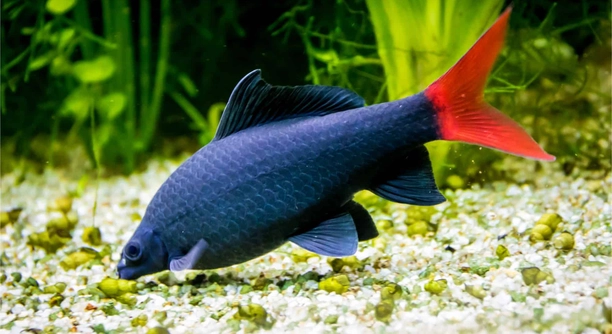
Are your rainbow sharks acting strangely, swimming aggressively, or chasing each other around the tank more than usual? You might be seeing the early signs of mating behavior in these territorial freshwater fish.
Rainbow shark mating behavior is complex and difficult to manage in captivity. These fish are solitary by nature and often display aggression, especially when they reach maturity, making successful breeding extremely rare in home aquariums.
From spotting the signs to setting up the right environment, knowing how to handle these behaviors can make a big difference in your tank’s harmony.
Understanding Rainbow Shark Behavior During Mating
Rainbow sharks are known for their territorial nature, especially as they mature. When mating season starts, these behaviors can intensify. You might notice chasing, nudging, or one fish constantly hiding. These actions are often mistaken for aggression, but they can also be signs of mating behavior. Males tend to display brighter colors and may patrol a specific area of the tank. Females, on the other hand, are usually rounder in the belly and may become less active. It’s important not to confuse these signs with illness or stress, which can look similar. Watching how they interact and keeping a calm environment is key. Most of the time, these fish will not actually mate in a home aquarium. Even with the right setup, breeding them is difficult and often unsuccessful. But knowing what these behaviors mean can help reduce unnecessary stress for both the fish and the owner.
If your rainbow sharks are chasing each other more often, it might not be pure aggression—it could be part of their mating routine.
Keep an eye out for changes in color, swimming patterns, or one shark guarding a specific corner. These can signal the beginning of a mating phase. Avoid overcrowding the tank and limit stress factors.
Creating the Right Environment for Mating
Rainbow sharks rarely breed in home aquariums, but a spacious and stable environment may encourage better behavior and reduce stress during mating periods.
A proper tank setup can help minimize conflicts and support the fish’s natural instincts. The tank should be at least 55 gallons, with plenty of hiding spaces and smooth rocks or driftwood. Use dense plants or décor to create territories and break lines of sight. A good filtration system is essential, along with stable water parameters—aim for a pH between 6.5 and 7.5, and temperatures around 75–81°F. Lighting should be moderate, not too bright. Males are usually more aggressive, so having enough space helps prevent constant chasing. Keep only one rainbow shark per tank if you’re not actively trying to breed them. If you do house more than one, make sure the tank is large enough and that each fish has a defined area. Keeping stress levels low is just as important as water quality. Even though actual breeding is rare, a calm environment helps reduce damage and aggression during potential mating behaviors.
Managing Aggression Between Rainbow Sharks
Rainbow sharks often become aggressive when they feel their territory is threatened, especially during mating phases. This behavior includes chasing, fin nipping, or blocking access to certain tank areas. It’s important to watch these signs closely to prevent injury.
To reduce aggression, provide plenty of space and hiding spots in the tank. Rocks, caves, or plants can create natural boundaries. Avoid keeping two males together, especially in smaller tanks. If aggression continues, consider separating them with a divider or moving one to another tank. Feeding them in different areas can also help reduce competition. Rainbow sharks do not form pairs in the traditional sense, so keeping more than one is risky. Their behavior might seem intense, but with the right environment, it can be managed. The more you control stress and territory boundaries, the easier it becomes to keep the peace in your aquarium.
A calm tank benefits all fish, not just rainbow sharks. Reducing tension can also help prevent long-term injuries or health issues. Creating structured areas helps each fish feel secure and less likely to lash out.
How to Spot a Female from a Male
Females are usually rounder, especially around the belly, while males are slimmer and more vibrant in color. Males may also have pointed dorsal fins, whereas females have slightly rounded ones.
Telling males and females apart isn’t always easy, especially when they are young. As they mature, males become more active and territorial, while females stay more passive. The differences in color and shape become more obvious with age. Look at their behavior too—males often patrol their space and display brighter red fins. Females may hide more or move slowly. Watching during feeding times can help, as males are often more assertive. These small cues add up over time and help you understand what’s happening in the tank. Keeping track of each fish’s shape and behavior is useful, especially when you’re unsure if mating or aggression is taking place.
Signs That Mating May Be Happening
You may notice one rainbow shark becoming more dominant and guarding a specific area of the tank. This fish might also chase the other one repeatedly, especially when the other enters its space.
Another sign is changes in color—males often show brighter red fins. The female may appear rounder, especially near the belly.
Why Breeding Rarely Happens in Home Tanks
Breeding rainbow sharks in captivity is extremely rare because they need specific environmental triggers that are hard to recreate at home. In the wild, they breed in large rivers with shifting currents and seasonal changes. Home aquariums often lack the space and natural cues needed to support the full breeding process. Even if the male and female show signs of mating behavior, they usually won’t produce viable eggs without those triggers. Hatcheries often use hormone injections in controlled breeding programs to make it happen. So, while mating behaviors may occur, actual reproduction is very unlikely without expert intervention and specialized equipment.
What to Avoid During Mating Periods
Avoid adding new fish, changing tank décor, or overfeeding during this time. Any stress can increase aggression and make the behavior worse.
FAQ
Can rainbow sharks actually mate in a home aquarium?
Technically, rainbow sharks can show mating behaviors in a home tank, but successful breeding is almost unheard of. These fish come from large river systems with specific conditions, like seasonal water changes and natural spawning triggers. Most home aquariums cannot replicate those needs. In breeding farms, hormone injections and special systems are used to encourage spawning. So, while you might see chasing or territorial behavior that looks like mating, the chances of actual egg-laying and hatching are extremely low unless you have access to professional tools and knowledge.
What does rainbow shark mating behavior look like?
You may notice one fish constantly chasing another around the tank. This behavior is often paired with vibrant color changes, especially in the fins. The dominant fish might hover near one area and try to block the other from entering. These signs can easily be mistaken for aggression. Males often become more active and display brighter red fins. Females, especially if ready to breed, may appear rounder near the belly and swim more slowly. However, since the behaviors can overlap with territorial aggression, it’s important to observe closely before making changes to your tank.
Can rainbow sharks be kept in pairs to encourage mating?
It’s not recommended. Rainbow sharks are very territorial and usually don’t tolerate others of their kind, especially in small tanks. Keeping a male and female together does not guarantee a peaceful setup. In fact, it often leads to injuries or stress for both fish. Even in large tanks, their compatibility can change suddenly. If you do attempt to house a pair, provide a tank of at least 75 gallons with plenty of hiding spots and visual barriers. Monitor their behavior daily and separate them at the first sign of serious aggression.
Do rainbow sharks lay eggs?
Yes, female rainbow sharks lay eggs, but not often in captivity. In the wild, they spawn by scattering eggs across a surface like rocks or plants. Males fertilize the eggs after they’re laid. However, without the right conditions, the female may never lay eggs at all in a home tank. If she does, there’s a high chance they won’t hatch unless the water quality, temperature, and other conditions are just right. Fertilized eggs are also at risk of being eaten by other tank mates or even the parents if not removed quickly.
How can I tell if my rainbow shark is pregnant?
Female rainbow sharks don’t get “pregnant” the way live-bearing fish do. Instead, they carry eggs internally until ready to spawn. A rounder belly is the most obvious sign that a female may be full of eggs. She may also become less active or spend more time hiding. However, this can also be a sign of bloating or illness, so it’s important not to jump to conclusions. If you suspect she’s carrying eggs, avoid stressing her and maintain clean water conditions. You likely won’t see the eggs unless she releases them during spawning.
Should I separate rainbow sharks during mating behavior?
If the behavior turns aggressive and one fish is getting hurt or hiding constantly, it’s best to separate them. Use a tank divider or a separate aquarium. Letting the aggression continue can lead to injuries, infections, or death. Mating behaviors shouldn’t result in constant bullying. If you see nipped fins, torn scales, or one fish refusing to eat, take action right away. Keeping the tank peaceful is more important than encouraging a mating attempt, especially since actual breeding is so rare without professional support. Always prioritize the health and safety of the fish.
Final Thoughts
Handling rainbow shark mating behavior can feel confusing at first, especially when it looks similar to aggression. These fish are naturally territorial, so chasing, guarding spaces, and even nipping can be part of both fighting and mating behavior. In most home aquariums, what looks like mating is often just a show of dominance. It’s important not to panic right away. Take time to observe each fish closely. Notice their body shape, colors, and how they interact with their space and each other. Sometimes what seems like a problem is just a sign that the fish are adjusting or reacting to a change in the tank.
Even though rainbow sharks are beautiful and interesting to watch, they are not easy to breed at home. Their natural habitat includes large rivers with seasonal shifts and plenty of room to roam. These conditions are very hard to recreate in a regular aquarium. That’s why most breeding success stories come from controlled fish farms using special equipment and hormone support. You might see signs like one shark becoming rounder or another displaying brighter colors and increased activity, but this doesn’t always lead to real mating or egg-laying. If you’re not seeing injuries or high levels of stress, sometimes it’s best just to let them be and monitor quietly.
Creating the right setup for your rainbow shark matters whether mating happens or not. Keep the tank large, clean, and filled with hiding spots. Avoid overcrowding, and be careful when adding tank mates. If you do keep more than one rainbow shark, make sure they have enough room to claim separate areas. When signs of stress or injury appear, take action quickly—either by using dividers or moving one fish to another tank. In the end, it’s less about trying to force breeding and more about keeping a stable, peaceful space. With the right care and attention, your rainbow shark can live a long and healthy life, even without ever reproducing.

Hello,
If you enjoy the content that we create, please consider saying a "Thank You!" by leaving a tip.
Every little bit helps us continue crafting quality advice that supports the health, happiness, and well-being of pets around the world, for pets of all shapes, sizes, and species.
We really appreciate the kindness and support that you show us!