
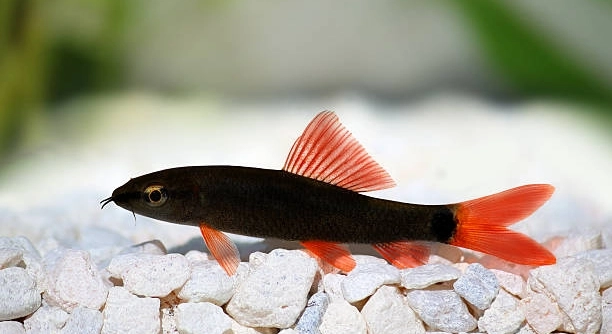
Many aquarium owners enjoy watching their rainbow sharks swim gracefully in their tanks. Sometimes, these fish start swimming upside down, which can be confusing and worrying for pet owners. Understanding why this happens is important for their care.
Rainbow sharks swimming upside down usually indicate a swim bladder disorder or stress caused by water quality, diet, or illness. These issues affect their balance and ability to swim normally. Identifying the cause quickly can help prevent further health problems.
Knowing the reasons behind this behavior will help you care for your rainbow shark better and keep it healthy in the long run.
Swim Bladder Disorder
Swim bladder disorder is a common reason rainbow sharks swim upside down. The swim bladder is an internal organ that helps fish control their buoyancy. When it is damaged or affected by disease, the fish cannot maintain its balance. This causes the shark to float abnormally or swim on its side or back. Poor diet, constipation, or bacterial infections often lead to swim bladder problems. Keeping the tank clean and feeding a balanced diet can help prevent this issue. Sometimes, treatment with medication or changes in diet is necessary to help the fish recover. If untreated, swim bladder disorder can worsen, making swimming difficult or impossible for the shark.
Symptoms to watch for include difficulty swimming, floating sideways, or sinking to the bottom. These signs usually show early, giving owners a chance to act fast.
Early care and proper water conditions are key to helping your rainbow shark recover from swim bladder issues and regain normal swimming behavior.
Water Quality Issues
Water quality directly affects the health of your rainbow shark. Poor water conditions stress the fish, making it swim abnormally. High ammonia, nitrite, or nitrate levels harm its swim bladder and overall health. Regular water testing and changes keep the environment safe. Fish also react to sudden temperature shifts or pH imbalances. These problems can cause them to swim upside down or behave strangely. Maintaining clean, stable water conditions supports your rainbow shark’s well-being and reduces health risks. If you notice upside-down swimming, test your water and adjust accordingly to improve your tank’s environment and help your fish feel comfortable again.
Overfeeding
Overfeeding is a common mistake that affects rainbow sharks’ swim bladders. Excess food can cause constipation and swelling, making it hard for the fish to swim properly.
When rainbow sharks eat too much, their digestive system slows down, leading to constipation. This buildup presses on the swim bladder, disrupting balance and causing upside-down swimming. It’s important to feed small amounts that your fish can finish within a few minutes, once or twice daily. Using high-quality food and occasionally offering fiber-rich vegetables can help maintain healthy digestion. Avoid feeding snacks or leftovers that might upset their system. Monitoring their eating habits helps catch problems early and keeps your fish healthy and active.
If overfeeding is the cause, fasting the fish for a day or two can help clear its digestive system. After that, feed smaller, measured portions to avoid recurrence. Proper feeding routines prevent swim bladder issues linked to overfeeding.
Stress and Environment
Stress from tank conditions or tank mates can affect your rainbow shark’s swimming behavior. Crowded or aggressive tank mates often cause stress, leading to unusual swimming patterns.
Stress weakens the immune system and disrupts normal behavior in fish. Loud noises, sudden movements, or frequent changes in water temperature also contribute. Overcrowded tanks limit swimming space, increasing tension among fish. Providing plenty of hiding spots and maintaining stable water parameters reduces stress. Keeping compatible fish species together and avoiding sudden changes creates a peaceful environment. Stress relief allows the fish to regain normal swimming habits and promotes better health.
Monitoring your tank regularly and observing fish interactions helps identify stress causes early. Adjusting the environment can make a big difference in your rainbow shark’s comfort and behavior.
Poor Water Oxygen Levels
Low oxygen levels in the tank can make rainbow sharks swim oddly. When oxygen is limited, fish struggle to breathe and may swim near the surface or upside down.
Improving aeration with air stones or filters helps keep oxygen levels stable. Regular water changes also support healthy oxygen in the tank, making the fish feel more comfortable.
Parasites and Illness
Parasites and infections can affect a rainbow shark’s ability to swim normally. Internal parasites may cause discomfort, while bacterial or fungal infections can harm the swim bladder. These health problems disrupt balance and cause unusual swimming patterns. Signs include lethargy, loss of appetite, or visible spots on the fish. Treating with proper medications after diagnosis is necessary. Quarantining sick fish prevents spread to others. Maintaining tank cleanliness and monitoring fish health regularly reduces the risk of infections and keeps your rainbow shark swimming properly.
Tank Size and Setup
A small or poorly arranged tank can stress rainbow sharks. These fish need enough space and hiding spots to feel secure and swim naturally.
FAQ
Why is my rainbow shark swimming upside down suddenly?
Sudden upside-down swimming usually signals swim bladder problems, stress, or water quality issues. Changes in diet, tank conditions, or illness can trigger this behavior quickly. Checking water parameters and observing other symptoms helps identify the cause early. Acting fast with treatment or environment fixes improves the chances of recovery.
Can overfeeding cause my rainbow shark to swim upside down?
Yes, overfeeding often leads to constipation, which presses on the swim bladder and disrupts buoyancy. Feeding smaller amounts once or twice daily helps avoid this problem. Fasting the fish for a day or two can relieve constipation and help it regain normal swimming.
Is water quality really that important for my rainbow shark’s swimming behavior?
Absolutely. Poor water quality causes stress and physical harm that affects swimming. High ammonia, nitrite, or nitrate levels can damage internal organs like the swim bladder. Regular water tests and changes keep the tank safe and support healthy fish behavior.
How does stress make my rainbow shark swim upside down?
Stress from aggressive tank mates, overcrowding, or sudden changes affects the fish’s immune system and balance. Stressed fish often show odd swimming patterns, including upside-down swimming. Creating a calm environment with stable water and compatible fish helps reduce stress.
What signs of illness should I look for besides upside-down swimming?
Look for lethargy, loss of appetite, visible spots, clamped fins, or unusual breathing. These symptoms often accompany infections or parasites. Early detection allows for quicker treatment and better chances of recovery.
Can swim bladder disorder be treated at home?
Mild swim bladder issues caused by constipation can often be treated by fasting the fish and feeding high-fiber foods like peas. For bacterial infections or severe cases, medication prescribed for fish may be necessary. Always follow treatment guidelines carefully.
Does tank size affect my rainbow shark’s swimming habits?
Yes, rainbow sharks need enough space to swim freely and feel safe. Small or crowded tanks cause stress and abnormal swimming. A larger tank with hiding places helps fish stay comfortable and swim naturally.
How often should I clean my tank to prevent swimming problems?
Cleaning about 25% of the water weekly and removing debris helps maintain good water quality. Over-cleaning can also stress fish, so balance is important. Regular maintenance prevents harmful buildup that affects fish health.
What foods are best for preventing swim bladder issues?
High-quality flakes or pellets designed for tropical fish work well. Adding occasional vegetables like peas supports digestion. Avoid overfeeding and feeding heavy, fatty foods that can cause constipation.
Should I quarantine a sick rainbow shark?
Quarantining sick fish prevents spreading illness to other tank mates. Use a separate tank with proper care and medication. This helps protect the main aquarium and gives the sick fish a better chance to heal.
Can temperature changes cause my rainbow shark to swim upside down?
Sudden temperature shifts stress fish and disrupt their balance. Keeping the tank temperature stable within the recommended range (around 72-79°F) reduces stress and supports normal swimming.
What if my rainbow shark keeps swimming upside down despite care?
Persistent upside-down swimming may indicate serious illness or irreversible swim bladder damage. Consulting a vet or experienced aquarist for diagnosis and treatment advice is recommended to give your fish the best chance of recovery.
Taking care of a rainbow shark means paying close attention to its behavior, especially if it starts swimming upside down. This unusual swimming often signals that something is wrong, whether it’s a health problem or an issue with its environment. Knowing the common causes, such as swim bladder disorder, water quality, overfeeding, or stress, helps you respond quickly. Early action can prevent more serious problems and improve your fish’s chances of getting better. Keeping the tank clean and stable, feeding the right amount, and providing enough space are simple but important steps to support your rainbow shark’s well-being.
It is important to remember that fish, like rainbow sharks, cannot tell us what they feel or need. Their swimming patterns and behavior are the best clues they give when something is off. Observing your fish regularly will help you notice small changes before they become big problems. For example, spotting signs like upside-down swimming, loss of appetite, or unusual spots can alert you to potential illnesses or tank issues. Responding with proper care, such as adjusting water conditions, changing feeding habits, or seeking treatment, helps your fish recover faster and stay healthy.
Overall, caring for a rainbow shark requires patience and attention. These fish are sensitive to their environment and rely on you to create a safe and comfortable home. Understanding why your rainbow shark might swim upside down is just one part of keeping it healthy. By maintaining good tank conditions, feeding properly, and watching for signs of illness or stress, you can enjoy watching your fish swim normally and thrive. The more you learn about your rainbow shark’s needs, the better you can support its health and happiness in your aquarium.

Hello,
If you enjoy the content that we create, please consider saying a "Thank You!" by leaving a tip.
Every little bit helps us continue crafting quality advice that supports the health, happiness, and well-being of pets around the world, for pets of all shapes, sizes, and species.
We really appreciate the kindness and support that you show us!