
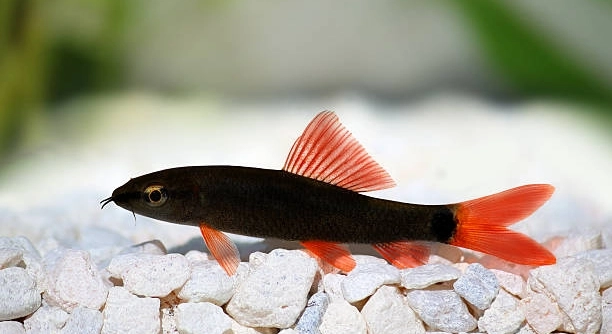
Rainbow sharks are popular aquarium fish known for their bright colors and active nature. Many fish owners want to keep them healthy and living longer in their tanks. Proper care plays a key role in extending their lifespan.
Maintaining ideal water quality, providing a balanced diet, and ensuring a suitable tank environment are essential to increasing the lifespan of rainbow sharks. Consistent monitoring and regular maintenance reduce stress and disease risks, promoting healthier and longer lives for these fish.
These simple steps can make a big difference in how well your rainbow shark thrives. Understanding these basics will help you provide better care for your aquatic friend.
Keep the Water Clean and Stable
Maintaining clean water is the most important thing for a rainbow shark’s health. These fish are sensitive to water quality changes, and dirty water can quickly cause illness. It’s important to test the water regularly for ammonia, nitrites, and nitrates. Use a good filtration system to keep the water clear and remove harmful substances. Changing about 20 to 30 percent of the water every week helps keep the environment stable. Avoid using soap or chemicals when cleaning the tank or decorations because they can harm your fish. Keeping the water temperature between 75 and 79 degrees Fahrenheit also helps reduce stress for your rainbow shark. Stability in water conditions means your fish can live without unnecessary health risks.
Regular water checks prevent many health problems.
Keeping water clean is not just about changing it; it also means avoiding overfeeding. Excess food breaks down and pollutes the water. Feeding small amounts that your fish can finish in two minutes prevents leftover waste. Also, remove uneaten food quickly. Using live plants can improve water quality by absorbing nitrates. A well-maintained tank mimics natural conditions and helps your rainbow shark stay active and healthy for years.
Provide a Balanced Diet
A good diet helps your rainbow shark stay strong and live longer.
Rainbow sharks need a mix of foods to stay healthy. They mostly eat flakes or pellets made for carnivorous fish but also enjoy frozen or live foods like bloodworms, brine shrimp, and daphnia. Vegetables such as blanched spinach or zucchini are good supplements. Feeding a variety of foods ensures they get all necessary nutrients. Avoid overfeeding, as it can lead to poor water quality and health problems. Feeding small amounts twice a day is usually enough. Also, watch your fish to make sure it’s eating well and adjust the diet if needed. A healthy diet supports growth, color, and immune function. Keeping to a routine helps your rainbow shark avoid stress and illness caused by sudden diet changes or poor nutrition.
Provide Plenty of Space
Rainbow sharks need enough room to swim and explore. A small tank can cause stress and aggression.
A tank of at least 30 gallons is recommended for one rainbow shark. More space is better, especially if you keep other fish with them. These fish are active swimmers and need room to move freely. Overcrowding can lead to fights and poor water quality, both of which shorten their lifespan. Proper tank size also allows for better filtration and stable water conditions, which are essential for their health. Providing hiding spots with plants or decorations helps reduce stress by giving your rainbow shark places to rest and feel safe.
Regular tank cleaning becomes easier with a larger, well-organized space. It also helps maintain consistent water parameters, which keep your fish comfortable and healthy over time.
Keep Tankmates Compatible
Choose tankmates that get along well with rainbow sharks to avoid conflict.
Rainbow sharks can be territorial, especially with fish that look or act similarly. Avoid keeping them with aggressive or very small fish that might become targets. Good companions include larger, peaceful species that occupy different parts of the tank, such as bottom dwellers or mid-level swimmers. Avoid overcrowding the tank, as this increases stress and fighting chances. Watching how your fish interact helps you spot problems early. Keeping compatible tankmates reduces stress, lowers injury risk, and helps maintain a calm environment. This peaceful setting supports your rainbow shark’s long-term health and wellbeing.
Monitor Fish Behavior Regularly
Watching your rainbow shark’s behavior helps catch problems early.
Changes in activity, appetite, or color can signal health issues. Early detection allows for faster treatment and better outcomes.
Maintain Proper Lighting and Environment
Proper lighting helps regulate your rainbow shark’s natural rhythm. Use a light schedule of about 10 to 12 hours daily. Avoid bright, direct light that can stress the fish. Creating shaded areas with plants or decorations gives your fish places to hide and rest, reducing stress and promoting well-being. A stable environment with consistent light and dark periods supports healthy behavior and lifespan.
Avoid Overcrowding
Too many fish in one tank causes stress and poor water quality. Keep the number of fish suitable for the tank size to ensure a healthy space for your rainbow shark to thrive.
FAQ
How often should I change the water for my rainbow shark?
Water changes should be done weekly, replacing about 20 to 30 percent of the tank water. This keeps toxins like ammonia and nitrites at safe levels. Regular water changes prevent buildup of waste and help maintain a stable environment for your fish.
What is the ideal water temperature for rainbow sharks?
The best temperature range is between 75 and 79 degrees Fahrenheit (24 to 26 degrees Celsius). Keeping the water within this range reduces stress and supports the fish’s immune system. Avoid sudden temperature changes as they can cause illness.
Can rainbow sharks live with other fish?
Yes, but tankmates should be chosen carefully. Rainbow sharks can be territorial, so peaceful fish that occupy different areas of the tank work best. Avoid other bottom dwellers or aggressive species that might cause conflict.
What should I feed my rainbow shark?
Feed a balanced diet of high-quality carnivore pellets or flakes supplemented with live or frozen foods like bloodworms, brine shrimp, and daphnia. Occasionally add blanched vegetables like spinach or zucchini for extra nutrients. Feed small amounts twice daily.
How can I tell if my rainbow shark is stressed?
Signs of stress include hiding excessively, loss of color, reduced appetite, and erratic swimming. Stress often results from poor water quality, overcrowding, or aggressive tankmates. Improving tank conditions usually helps reduce stress.
Why is my rainbow shark losing color?
Loss of color can be caused by stress, poor diet, or illness. Ensuring clean water, proper nutrition, and a peaceful environment can help restore vibrant colors. If color loss persists, it may be a sign of disease needing treatment.
How big do rainbow sharks grow?
Rainbow sharks typically grow to about 6 inches (15 cm) in length. They need enough space to swim freely as they grow, so a minimum 30-gallon tank is recommended. Larger tanks allow healthier growth and reduce aggression.
Do rainbow sharks need plants in their tank?
Plants are beneficial because they provide hiding spots and improve water quality by absorbing nitrates. Live plants also help mimic the natural habitat and reduce stress. If live plants are not possible, artificial plants can offer similar shelter.
What common diseases affect rainbow sharks?
Common issues include fin rot, ich, and bacterial infections. These often arise from poor water quality or stress. Keeping water clean, maintaining proper temperature, and feeding a balanced diet can prevent many illnesses. Early treatment is crucial for recovery.
How long do rainbow sharks live?
With proper care, rainbow sharks can live 5 to 8 years. Providing a stable environment, good nutrition, and compatible tankmates are key factors in helping them reach their full lifespan. Regular monitoring of health supports longevity.
Taking good care of a rainbow shark means paying attention to several important things. Clean water is the foundation of their health. Changing the water regularly and using a good filter keeps the tank safe from harmful chemicals. Keeping the water temperature steady also helps the fish avoid stress. Rainbow sharks are sensitive to changes, so a stable environment is very important. Feeding the right food in the right amounts supports their growth and keeps their colors bright. A balanced diet includes quality pellets or flakes with occasional live or frozen foods and some vegetables. Overfeeding should be avoided because leftover food can pollute the water and cause illness.
Space is another key part of caring for rainbow sharks. They are active swimmers and need enough room to move freely. A tank that is at least 30 gallons is necessary for one fish, and bigger tanks are better if there are more fish. Providing hiding spots with plants or decorations helps reduce stress. Tankmates should be chosen carefully because rainbow sharks can be territorial. Peaceful fish that live in different parts of the tank work best. Overcrowding the tank or mixing aggressive fish can cause fights and stress, which shorten the fish’s lifespan.
Finally, keeping a close eye on your rainbow shark’s behavior can help catch problems early. Changes in appetite, color, or swimming patterns may signal health issues. Early action can prevent serious illness. Following simple care steps like maintaining water quality, feeding properly, giving enough space, and choosing the right tankmates will help your rainbow shark live a longer, healthier life. Consistency is important. A stable tank environment supports their natural needs and reduces risks. By staying attentive and caring for your fish in these ways, you can enjoy the bright colors and lively movements of your rainbow shark for many years.

Hello,
If you enjoy the content that we create, please consider saying a "Thank You!" by leaving a tip.
Every little bit helps us continue crafting quality advice that supports the health, happiness, and well-being of pets around the world, for pets of all shapes, sizes, and species.
We really appreciate the kindness and support that you show us!