
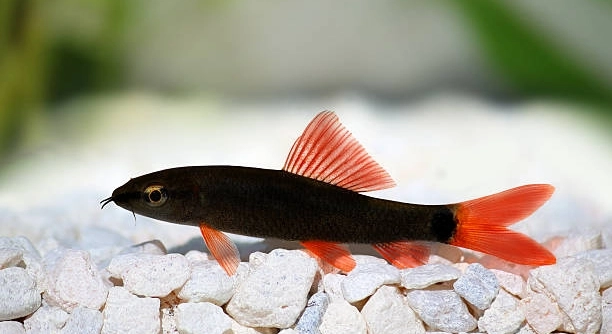
Are your rainbow sharks showing signs of stress, aggression, or health issues even though you’re trying your best to care for them?
The most common mistakes in keeping rainbow sharks are related to tank size, tank mates, water conditions, and territory. These errors can lead to aggressive behavior, stress, and a shortened lifespan if not addressed properly.
Small changes in how you manage your aquarium can make a big difference in your rainbow shark’s health and behavior.
Mistake #1: Choosing the Wrong Tank Size
Rainbow sharks need plenty of space to feel secure and stay healthy. Many people place them in tanks that are too small, thinking they’ll be fine in tight quarters. This leads to territorial aggression and unnecessary stress. A minimum of 55 gallons is recommended for one adult rainbow shark. With enough room, they can swim freely and establish their own space without constantly clashing with other fish. A small tank not only limits their movement but also makes it harder to maintain stable water conditions. Over time, poor conditions and stress can cause illness or even shorten their lifespan. Bigger tanks also provide more room to decorate with hiding spots, which helps reduce tension. Planning ahead by choosing the right tank size sets a strong foundation for keeping your rainbow shark happy, healthy, and less aggressive toward tank mates.
A cramped space makes your shark territorial and stressed. Extra room supports better behavior and overall well-being.
If you’ve already chosen a small tank, consider upgrading before adding other fish. You’ll likely notice a change in behavior once the shark has more space. It’s easier to fix tank size early than to deal with constant aggression and water issues later.
Mistake #2: Picking Incompatible Tank Mates
Rainbow sharks do not get along with just any fish. They are known for being territorial, especially with bottom-dwelling or similarly shaped species. Putting them with peaceful or slow-moving fish can result in fights or stress for both sides. It’s best to avoid other sharks, barbs, and catfish that occupy similar tank zones. If you want to keep rainbow sharks with others, pick fish that swim in the middle or upper part of the tank and that are quick enough to avoid conflict. Placing too many fish in a tank or adding them all at once can also trigger territorial behavior. Always monitor new additions closely.
Understanding how rainbow sharks interact with other fish helps reduce aggression. Many fights start because fish are too similar in size, shape, or swimming area. A well-thought-out tank community ensures peace and less stress for everyone. Always research and plan before adding new tank mates.
Mistake #3: Ignoring Water Quality
Poor water quality quickly affects the health and mood of rainbow sharks. Dirty or unbalanced water causes stress, weakens their immune system, and increases the chance of infections and aggressive behavior.
Keeping your water clean starts with regular maintenance. Test the water weekly for ammonia, nitrite, nitrate, and pH levels. Rainbow sharks prefer a pH between 6.5 and 7.5 and temperatures between 75–80°F. Perform partial water changes—around 25%—every week to keep toxins low. Use a good filter that supports biological, chemical, and mechanical filtration. Avoid overfeeding, as leftover food rots and damages water quality. Water conditioners help remove harmful chlorine and chloramine from tap water. Clear, stable water helps your shark stay active and less irritable, and it prevents many health issues before they start.
A clean tank isn’t just about appearance. It keeps your rainbow shark healthy, active, and better behaved. A little routine goes a long way. Poor water makes them defensive, while stable water calms them down. When in doubt, test the water. Most behavior changes start with something going wrong in the tank itself. Don’t wait for symptoms—prevention is much easier than treatment. Get into the habit of checking your tank every few days. It makes a difference.
Mistake #4: Using Too Few Hiding Spots
Not providing enough hiding places can stress out your rainbow shark. Even though they are bold and active, they still need privacy. A tank with open space and no cover makes them feel exposed.
Use driftwood, rocks, and aquarium-safe caves to give them proper hiding areas. These spots help break up the tank’s line of sight, which can reduce aggressive behavior—especially if you have other fish. Arrange the decorations in a way that creates natural barriers so your rainbow shark can claim part of the tank as its own. Plants—real or artificial—also help create safe zones. These hiding spots are important not just for the rainbow shark, but for any tank mates as well. Fish feel more secure when they know they have somewhere to retreat. More cover leads to less chasing and less fighting, especially in tanks with more than one territorial species.
Mistake #5: Overfeeding Your Rainbow Shark
Feeding too much at once causes health problems and makes the water dirty faster. Uneaten food sinks and breaks down, which can spike ammonia levels and stress your fish.
Offer small amounts once or twice a day—just what they can eat in under two minutes. This keeps them healthy and active.
Mistake #6: Adding Fish Too Soon
Adding a rainbow shark to a brand-new tank before it’s fully cycled often leads to stress and illness. They are sensitive to unstable water conditions. Wait until the nitrogen cycle is complete and water parameters are steady. Use a test kit to confirm safe levels of ammonia, nitrites, and nitrates. Rushing the process can damage your shark’s health and shorten its life. If you’re new to fishkeeping, take extra time to learn about cycling before introducing your shark. A stable tank not only helps your shark adjust better but also prevents problems that are harder to fix later.
Mistake #7: Keeping More Than One Rainbow Shark
Housing more than one rainbow shark in the same tank usually leads to constant fighting. They are highly territorial and prefer to live alone.
FAQ
How often should I feed my rainbow shark?
Feed your rainbow shark once or twice a day with small amounts of food. Only give what they can finish within two minutes. Overfeeding can cause water quality issues and lead to health problems like bloating or swim bladder disease. A balanced diet with high-quality sinking pellets and occasional live or frozen foods works best.
What tank size is best for one rainbow shark?
A minimum of 55 gallons is ideal for one adult rainbow shark. They are active swimmers and need enough space to claim territory without stress. Smaller tanks increase aggression and health risks. If you want to keep more fish or add decorations, consider a larger tank to avoid crowding.
Can rainbow sharks live with other fish?
Yes, but choose tank mates carefully. Avoid other bottom dwellers or similar-shaped fish to reduce territorial fights. Fast, mid- to upper-level swimmers are usually good companions. Keep the tank well-decorated with hiding spots to help reduce tension between fish.
How do I know if my rainbow shark is stressed?
Signs of stress include hiding more than usual, erratic swimming, loss of appetite, or aggression toward tank mates. Poor water quality and lack of space are common causes. Testing water regularly and providing enough room and hiding spots can help prevent stress.
Is it necessary to cycle the tank before adding a rainbow shark?
Yes, cycling the tank is crucial. It establishes beneficial bacteria that break down harmful ammonia and nitrites. Adding your rainbow shark to an uncycled tank can cause serious health issues or death. Use a test kit to confirm the cycle is complete before introducing fish.
How often should I change the water?
Perform partial water changes of about 25% weekly. This helps maintain good water quality by removing waste and toxins. Clean water supports your rainbow shark’s health and reduces stress. Avoid changing too much water at once, as it can shock your fish.
What decorations are best for rainbow sharks?
Use driftwood, rocks, caves, and plants to create hiding spots and break up open space. These provide security and reduce aggression. Avoid sharp or rough decorations that could injure your fish. Soft plants and smooth surfaces are ideal.
Can rainbow sharks be aggressive toward humans?
No, rainbow sharks do not pose any threat to humans. They may show territorial behavior only toward other fish in the tank. Handling them should be done gently and only when necessary to avoid stressing the fish.
How long do rainbow sharks live?
With proper care, rainbow sharks can live up to 8-10 years. Maintaining good water quality, proper diet, and a suitable environment helps extend their lifespan.
What should I do if my rainbow shark shows signs of illness?
Isolate the sick fish if possible and test water quality immediately. Poor water conditions often cause health problems. Treat with appropriate medication based on symptoms and maintain a clean tank. Consulting a vet or fish specialist can help with diagnosis and treatment options.
Keeping rainbow sharks can be very rewarding when done right. They are beautiful, active fish that add life and color to a well-maintained aquarium. However, it takes attention and care to keep them healthy and peaceful. Avoiding common mistakes like using too small a tank, ignoring water quality, or choosing wrong tank mates makes a big difference. These errors can cause stress, illness, and aggression, but they are easy to fix with some planning and regular maintenance. A clean, spacious tank with proper hiding spots will help your rainbow shark thrive.
Water quality is one of the most important factors in caring for rainbow sharks. Regular water testing and partial changes prevent dangerous build-up of toxins. Overfeeding and overcrowding are common problems that quickly harm water quality. Feeding small amounts once or twice a day and not overstocking your tank helps keep water clean. Using a good filtration system and waiting until your tank is fully cycled before adding fish supports a healthy environment. When water conditions are stable, your fish will be active and show less aggressive behavior.
Finally, understanding rainbow shark behavior helps in setting up the right tank. These fish are territorial and prefer to have their own space, so it’s best not to keep more than one in the same tank unless it is very large and carefully arranged. Including plenty of decorations like caves and plants gives them places to hide and reduces fights. Paying attention to their needs, diet, and water conditions will reward you with a vibrant, peaceful aquarium. Simple care routines and the right setup make keeping rainbow sharks easier and more enjoyable.

Hello,
If you enjoy the content that we create, please consider saying a "Thank You!" by leaving a tip.
Every little bit helps us continue crafting quality advice that supports the health, happiness, and well-being of pets around the world, for pets of all shapes, sizes, and species.
We really appreciate the kindness and support that you show us!