
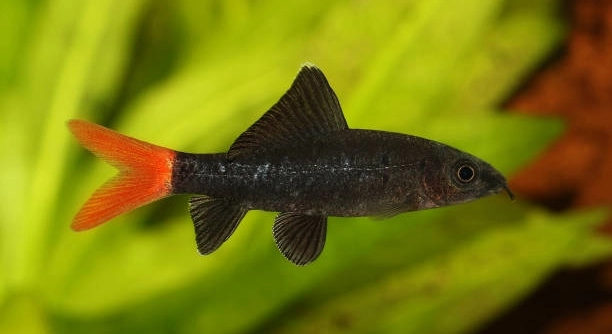
Rainbow sharks are popular freshwater fish that need specific tank conditions to thrive. Setting up their environment properly helps them stay healthy and active. Many owners want to create the best home for these unique fish.
Creating the perfect tank setup for rainbow sharks requires attention to water quality, tank size, hiding spaces, and compatible tank mates. Proper filtration, temperature control, and regular maintenance ensure a stable and comfortable habitat for their well-being.
This guide shares seven essential tips to help you build an ideal environment for your rainbow sharks. These tips cover everything from tank preparation to daily care.
Choosing the Right Tank Size
A suitable tank size is crucial for rainbow sharks to thrive. These fish grow up to six inches and need enough space to swim freely. A tank that is at least 40 gallons provides enough room for one rainbow shark. If you want to keep multiple fish or other species, a larger tank is necessary to reduce territorial aggression. A cramped environment stresses the fish and can lead to health problems. Additionally, a bigger tank helps maintain stable water parameters, which is essential for rainbow sharks. Make sure the tank has a secure lid because these fish are known to jump occasionally. Position the tank in a quiet area away from direct sunlight to avoid sudden temperature changes. Proper lighting should mimic a natural day-night cycle to support their natural behavior.
Larger tanks also allow you to add decorations and plants, giving the fish hiding spots and areas to explore, which helps reduce stress.
Setting up a tank with enough space promotes healthy growth and a more active lifestyle for rainbow sharks. It also supports better water quality and easier maintenance, which benefits all aquatic inhabitants. Keeping their space comfortable reduces aggressive behavior and helps rainbow sharks live longer, healthier lives.
Water Quality and Filtration
Maintaining clean water is essential for rainbow sharks’ health. They need well-filtered water with low ammonia and nitrate levels.
A powerful filter designed for the tank size helps keep the water clear. Regular water changes, about 20% weekly, are necessary to remove waste and toxins. Testing water parameters often helps catch issues early and keeps conditions stable. Proper filtration reduces harmful bacteria and prevents diseases, which rainbow sharks are prone to in poor water conditions. Avoid overfeeding to reduce excess waste in the tank. Using a water conditioner removes chlorine and other chemicals harmful to fish. Keeping the substrate clean and removing uneaten food will also improve water quality. A good filter combined with routine care creates a healthy environment where rainbow sharks can thrive.
Providing Proper Hiding Spots
Rainbow sharks need places to hide to feel safe and reduce stress. Rocks, caves, and dense plants work well. These spots mimic their natural habitat and help avoid conflicts with other fish.
Using natural decorations like driftwood and smooth stones creates secure hiding places. Avoid sharp edges that could injure the fish. Live plants such as Java fern or Anubias provide cover and improve water quality. Position hiding spots evenly to prevent territorial disputes. Properly placed shelters encourage natural behavior and help rainbow sharks feel at ease.
Hiding spots also create a more visually appealing tank and offer fish resting areas. This reduces aggression and promotes a calmer environment. Providing enough shelters ensures that shy or stressed fish can retreat and recover.
Selecting Compatible Tank Mates
Rainbow sharks can be territorial, so choosing peaceful tank mates is important. Avoid keeping them with slow or long-finned fish that may become targets of aggression. Good companions include fast swimmers like danios, barbs, or larger tetras.
Keeping too many aggressive or territorial species in the same tank can increase stress for all fish. Introduce new fish slowly and observe interactions to prevent fights. Ensure the tank is large enough to provide separate territories. Fish with similar water needs and temperaments are the best fit for rainbow sharks. This helps maintain balance and reduces stress within the aquarium community.
Maintaining Stable Water Temperature
Rainbow sharks prefer water temperatures between 74°F and 81°F. Keeping the temperature steady helps avoid stress and illness. A reliable heater and thermometer are essential for monitoring and maintaining the right temperature.
Sudden temperature changes can weaken their immune system. Consistency supports their natural behavior and overall health.
Feeding Your Rainbow Sharks Properly
Rainbow sharks are omnivores and need a balanced diet of high-quality flakes, pellets, and occasional live or frozen foods like bloodworms or brine shrimp. Feeding small amounts twice daily prevents overfeeding and water pollution.
A varied diet promotes vibrant colors and strong health. Avoid overfeeding to keep the tank clean and fish active.
Regular Tank Cleaning
Perform regular cleaning to keep the tank healthy. Remove uneaten food and clean the substrate weekly. This prevents waste buildup and maintains water quality.
How often should I change the water in a rainbow shark tank?
Water changes are necessary to keep the environment clean and safe. Changing about 20% of the water every week is a good routine. This helps remove toxins like ammonia and nitrates that build up over time. Regular water changes support stable water quality and reduce stress for the fish. If the tank is heavily stocked or if you notice water quality issues, increasing the frequency or volume of changes can help.
What is the best diet for rainbow sharks?
Rainbow sharks thrive on a varied diet. High-quality flake or pellet foods designed for omnivores should be the main part of their diet. Supplement this with live or frozen foods such as bloodworms, brine shrimp, or daphnia a few times a week. This variety helps maintain their health and bright colors. Avoid overfeeding by giving only as much as they can eat in 2–3 minutes, twice daily.
Can rainbow sharks live with other fish?
Yes, rainbow sharks can live with other fish, but tank mate selection is important. They are territorial and may act aggressive toward slow-moving or long-finned fish. Good companions include fast-moving species like danios, barbs, or certain tetras. Avoid small or shy fish that may become stressed or bullied. A larger tank with plenty of hiding places also helps reduce conflicts.
Why is my rainbow shark hiding all the time?
If your rainbow shark hides often, it might be stressed or feeling threatened. Causes can include poor water quality, an overcrowded tank, or aggressive tank mates. Make sure water parameters are stable, the tank is large enough, and there are enough hiding spots. Sometimes, hiding is normal behavior, especially when the fish is resting or during tank cleaning.
How big should my tank be for a rainbow shark?
A minimum tank size of 40 gallons is recommended for one rainbow shark. This size provides enough space for swimming and reduces territorial aggression. If keeping multiple rainbow sharks or other fish, a larger tank is necessary. More space helps maintain water quality and creates a healthier environment for all fish.
What water parameters do rainbow sharks need?
Rainbow sharks prefer water temperatures between 74°F and 81°F. The pH should be neutral to slightly acidic, around 6.5 to 7.5. Water hardness should be moderate, between 5 and 15 dGH. Keeping these parameters stable is essential. Sudden changes can stress the fish and make them vulnerable to disease.
How do I prevent aggression in rainbow sharks?
Aggression can be reduced by providing a large tank with plenty of hiding spots. Avoid overcrowding and keep tank mates that are fast and non-aggressive. Introducing new fish slowly and observing interactions also helps. Sometimes rearranging decorations can reset territories and ease tensions.
Do rainbow sharks need live plants?
Live plants are not required but highly recommended. They provide hiding places and help improve water quality by absorbing nitrates. Plants like Java fern and Anubias are good choices because they are hardy and don’t require high light. They also create a natural look that rainbow sharks seem to enjoy.
How long do rainbow sharks live?
With proper care, rainbow sharks can live 5 to 8 years in captivity. Maintaining good water quality, proper diet, and a suitable environment are key factors for their longevity. Regular tank maintenance and monitoring fish health help catch problems early and extend their lifespan.
What signs show my rainbow shark is sick?
Common signs of illness include faded colors, lethargy, loss of appetite, clamped fins, or unusual swimming patterns. White spots or sores on the body can indicate infections. If you notice these symptoms, test the water quality first and improve tank conditions. Isolate sick fish if possible and seek advice for appropriate treatment. Early detection and care improve recovery chances.
Creating the perfect tank setup for rainbow sharks requires careful attention to several key factors. These fish need a spacious tank with proper hiding spots, clean and stable water conditions, and compatible tank mates to thrive. Taking time to plan the environment and maintain it regularly can help prevent common problems like stress and aggression. Providing a balanced diet and monitoring their health closely also contribute to their well-being. When these needs are met, rainbow sharks tend to be more active and show their natural colors and behavior.
Maintaining stable water parameters is one of the most important parts of caring for rainbow sharks. They are sensitive to changes in temperature, pH, and water quality, so a reliable heater, good filtration, and regular water changes are necessary. The tank should also be large enough to give them space to swim and avoid territorial disputes. Decorations and plants not only enhance the tank visually but also offer shelter and reduce stress. These steps create a safe and comfortable home that supports their growth and longevity.
Caring for rainbow sharks involves more than just setting up the tank; ongoing care is essential. Keeping an eye on their behavior, feeding them properly, and performing regular maintenance can make a big difference in their health. Understanding their needs and creating an environment that mimics their natural habitat helps keep them happy and reduces the risk of illness. By following these guidelines, you can enjoy watching your rainbow sharks thrive and become a lively part of your aquarium.

Hello,
If you enjoy the content that we create, please consider saying a "Thank You!" by leaving a tip.
Every little bit helps us continue crafting quality advice that supports the health, happiness, and well-being of pets around the world, for pets of all shapes, sizes, and species.
We really appreciate the kindness and support that you show us!