
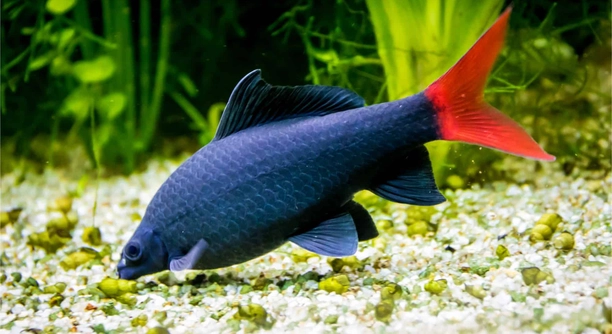
Rainbow Sharks are popular freshwater fish known for their vibrant colors and active nature. Many aquarium owners enjoy adding them to community tanks for a splash of life and movement. Successfully integrating these fish requires some care and preparation.
To integrate a Rainbow Shark successfully, provide ample space, maintain stable water conditions, introduce them slowly, and avoid overcrowding. Proper tank mates and hiding spots reduce stress and aggression, ensuring the fish adapt well and remain healthy.
Learning these simple yet important tips will help your Rainbow Shark settle in smoothly and thrive alongside other fish in your tank.
Preparing the Tank for Your Rainbow Shark
Before bringing a Rainbow Shark home, it’s important to get the tank ready. These fish need at least 30 gallons of space to swim comfortably. The tank should have a secure lid because Rainbow Sharks are known to jump. Clean gravel or sand at the bottom helps them feel safe, along with smooth decorations that won’t hurt their delicate fins. Add plenty of hiding spots using plants, caves, or driftwood. Water temperature should be between 72°F and 79°F, with a pH around 6.5 to 7.5. Regular water changes are key to keeping the environment healthy. Keeping the tank clean and well-maintained reduces stress for the fish and encourages good behavior. A well-prepared tank helps your Rainbow Shark settle in quickly and stay healthy over time.
Introducing a Rainbow Shark into a clean, stable tank environment is essential for its well-being.
Taking the time to prepare your tank properly will make a big difference in how your new fish adapts. Water conditions that are stable and close to the fish’s natural habitat lower the chance of illness and stress. Adding hiding places gives the Rainbow Shark a sense of security, reducing aggressive behavior. It also helps if the tank is cycled before introducing the fish, meaning the beneficial bacteria are established. These bacteria break down waste and keep the water safe. Testing water regularly and monitoring temperature helps maintain a healthy environment. Preparing the tank thoughtfully shows respect for the fish’s needs and leads to a more peaceful aquarium overall.
Choosing Tank Mates Carefully
Rainbow Sharks can be territorial, especially as they grow.
It’s important to pick tank mates that are peaceful but can hold their own.
When selecting other fish to live with a Rainbow Shark, avoid very small or slow-moving species that may be bullied. Good companions include fast swimmers like danios or barbs, which can keep their distance. Avoid other bottom dwellers, as they compete for space. Keep in mind that adding too many fish can cause stress and aggression. Monitoring how your Rainbow Shark interacts with others is important. If aggression shows, separating the fish or rearranging the tank can help. Thoughtful selection of tank mates reduces conflicts and creates a more balanced community. This leads to a calmer, happier tank for all the fish.
Introducing Your Rainbow Shark Slowly
Introducing your Rainbow Shark slowly helps reduce stress and aggression.
Start by floating the bag in the tank for about 20 minutes. This allows the water temperature to equalize. Afterward, gradually add small amounts of tank water to the bag every 10 minutes for about an hour. This helps the fish adjust to the new water chemistry. Avoid pouring the bag water directly into the tank to prevent contamination. After acclimation, gently release the fish into the tank using a net. Watching your fish closely during the first hours can help spot any signs of stress or illness early. This slow process makes settling easier and safer for your new Rainbow Shark.
Acclimation is a key step that many overlook but can make a big difference in how well your Rainbow Shark adapts. Sudden changes in temperature or water conditions can shock the fish and cause health issues. By carefully adjusting the fish to its new environment, you help ensure it remains healthy and active. Taking the time to acclimate shows good care and respect for the fish’s well-being. This simple step can prevent future problems and create a smoother transition into its new home.
Feeding Your Rainbow Shark
Rainbow Sharks prefer a varied diet to stay healthy and colorful.
Provide sinking pellets or wafers as the main food, supplemented by live or frozen foods like bloodworms, brine shrimp, and daphnia. These additions boost nutrition and mimic their natural diet. Feeding should be done once or twice daily, offering only what the fish can eat in about two minutes to avoid overfeeding. Uneaten food can pollute the tank and harm water quality. Observing your Rainbow Shark’s eating habits helps ensure it is getting enough nutrition. A well-fed fish is more vibrant and less prone to stress and disease. Feeding with care supports your fish’s long-term health and vitality.
Monitoring Behavior and Health
Watch your Rainbow Shark daily for signs of stress or illness.
Look for changes in swimming, appetite, or color that might signal problems.
Maintaining Water Quality
Regular water testing helps keep your tank safe and stable. Check pH, ammonia, nitrite, and nitrate levels weekly. Maintaining clean water prevents disease and promotes a healthy environment for your Rainbow Shark.
Managing Aggression
Rainbow Sharks can show aggression, especially when crowded or stressed. Providing enough space and hiding spots helps reduce fights. Rearranging decorations occasionally can break up established territories and ease tensions.
Handling Tank Cleaning
Clean the tank regularly but avoid disturbing the substrate too much. Partial water changes of 20-30% weekly keep conditions stable without shocking your fish.
FAQ
How big do Rainbow Sharks get?
Rainbow Sharks typically grow to about 6 inches long. Their size means they need enough space to swim comfortably, so a tank of at least 30 gallons is recommended. Larger tanks help reduce territorial behavior and keep them active and healthy.
Are Rainbow Sharks aggressive?
Rainbow Sharks can be territorial, especially as they mature. They may show aggression towards other bottom dwellers or similar-looking fish. Providing plenty of hiding spots and enough space can reduce aggressive behavior. Choosing compatible tank mates also helps maintain peace.
What water conditions do Rainbow Sharks need?
Rainbow Sharks thrive in water temperatures between 72°F and 79°F, with a pH between 6.5 and 7.5. They prefer clean, well-oxygenated water. Regular testing and maintenance of water quality are essential to keep them healthy and stress-free.
How often should I feed my Rainbow Shark?
Feeding once or twice a day is sufficient. Offer sinking pellets or wafers as the main diet, supplemented with occasional live or frozen foods like bloodworms or brine shrimp. Feed only what the fish can eat within two minutes to avoid overfeeding and water pollution.
Can Rainbow Sharks live with other fish?
Yes, but tank mates should be chosen carefully. Avoid small, slow-moving, or bottom-dwelling fish that may be bullied. Fast swimmers like danios or barbs make better companions. Monitor interactions and be ready to separate fish if aggression occurs.
Why is my Rainbow Shark hiding a lot?
Hiding is normal, especially in a new tank or during the day. However, excessive hiding could indicate stress, poor water quality, or illness. Make sure the tank conditions are stable and provide enough hiding spots to help your fish feel safe.
How often should I clean the tank?
Partial water changes of 20-30% weekly are recommended. This keeps the water clean without disturbing the fish too much. Regular removal of uneaten food and debris helps maintain water quality and prevent harmful bacteria buildup.
What should I do if my Rainbow Shark looks sick?
Isolate the fish if possible to prevent spreading disease. Check water quality immediately and correct any issues. Consult a vet or experienced aquarist for advice on treatment. Early detection and action improve the chances of recovery.
Do Rainbow Sharks need special lighting?
They do not need special lighting, but moderate light that mimics natural daylight helps regulate their behavior and enhances their colors. Avoid very bright or flashing lights, which can stress the fish.
How can I reduce aggression in my tank?
Ensure the tank is spacious and well-decorated with plenty of hiding places. Avoid overcrowding and choose peaceful tank mates. Rearranging decorations occasionally breaks up established territories and reduces conflicts.
Can Rainbow Sharks jump out of the tank?
Yes, Rainbow Sharks are known to jump. Always use a secure lid on your tank to prevent escapes. Keep the lid tightly fitted and check regularly for gaps.
What is the lifespan of a Rainbow Shark?
With proper care, Rainbow Sharks can live 5 to 8 years in captivity. Good water quality, proper diet, and a stress-free environment contribute to a longer life.
Is it normal for Rainbow Sharks to change color?
Minor color changes can happen due to mood, health, or water conditions. Bright colors usually indicate a healthy fish, while dull or faded colors may signal stress or illness. Monitoring these changes helps catch problems early.
How do I know if my Rainbow Shark is stressed?
Signs include hiding excessively, loss of appetite, erratic swimming, or fading colors. Stress often results from poor water conditions, overcrowding, or aggressive tank mates. Addressing these factors quickly helps your fish recover.
Are Rainbow Sharks compatible with plants?
Rainbow Sharks can live with live plants, but they may uproot or damage some types while digging. Use hardy plants anchored securely or artificial ones to avoid damage. Plants also provide hiding spots and improve water quality.
Final Thoughts
Caring for a Rainbow Shark can be a rewarding experience when you understand their needs and behaviors. These fish are active and colorful additions to many freshwater tanks. However, they require a well-prepared environment and proper care to thrive. Providing enough space, stable water conditions, and suitable tank mates helps keep them healthy and less aggressive. Paying attention to their diet and feeding habits is equally important for their overall well-being. With a little patience and careful planning, a Rainbow Shark can become a lively and interesting part of your aquarium.
It is important to remember that every Rainbow Shark is unique. Some may be more territorial or shy than others. Observing their behavior closely helps you identify any changes that might indicate stress or health issues. Regular tank maintenance and water quality checks play a big role in preventing problems. Creating a peaceful and balanced tank environment supports not only the Rainbow Shark but all your aquatic pets. Over time, you will become more familiar with the fish’s habits and better able to meet its needs. This knowledge makes caring for them easier and more enjoyable.
Finally, don’t rush the process of adding a Rainbow Shark to your tank. Proper acclimation and gradual introduction can reduce stress and aggression, making the transition smoother for everyone. Keep in mind that patience and consistency are key to success. By following the right steps and giving your fish the attention they deserve, you can enjoy watching your Rainbow Shark thrive. The effort you put into their care will pay off in a healthier, happier aquarium. This experience will bring satisfaction and a deeper connection to your aquatic hobby.

Hello,
If you enjoy the content that we create, please consider saying a "Thank You!" by leaving a tip.
Every little bit helps us continue crafting quality advice that supports the health, happiness, and well-being of pets around the world, for pets of all shapes, sizes, and species.
We really appreciate the kindness and support that you show us!