
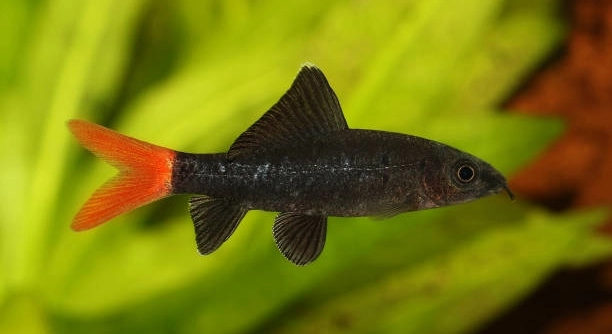
Rainbow sharks are popular aquarium fish known for their vibrant colors and active behavior. Many owners notice signs of stress in their fish, which can affect their health and lifespan. Managing stress is important for keeping them healthy and happy.
Stress in rainbow sharks is often caused by poor water quality, overcrowding, improper diet, and lack of hiding places. Providing stable water conditions, sufficient space, balanced nutrition, and environmental enrichment helps reduce stress and promotes their well-being.
These simple approaches can improve your rainbow shark’s environment and overall health. Understanding key stress factors is essential for maintaining a thriving aquarium.
Maintaining Stable Water Quality
Keeping water clean and stable is essential for reducing stress in your rainbow shark. Regular water changes help remove toxins like ammonia and nitrites that can build up quickly in tanks. Testing water parameters such as pH, temperature, and hardness is important to ensure they remain within suitable ranges. Avoid sudden changes, as rainbow sharks are sensitive to fluctuations. Using a good filtration system helps maintain clarity and oxygen levels. Removing uneaten food and debris prevents harmful bacteria from growing. A clean tank supports the fish’s immune system and reduces chances of illness. Monitoring water quality is one of the simplest yet most effective ways to create a calm environment where your fish can thrive without stress.
Consistent water conditions reduce sudden shocks to your rainbow shark. This stability helps keep their immune system strong and behavior calm.
Regular care of your tank, including weekly partial water changes of 20-30%, is recommended. Use water conditioners to neutralize chlorine and chloramine. Maintaining temperature between 74°F and 80°F keeps your fish comfortable. Proper filtration not only clears waste but also circulates oxygen. Avoid overcrowding your tank, as it can affect water quality quickly. Observing your fish’s behavior will help you detect early signs of poor water conditions. Investing time in water maintenance will pay off with a healthier, less stressed rainbow shark.
Providing Adequate Space and Hiding Spots
Rainbow sharks need enough room to swim freely and hide when they feel threatened. A tank size of at least 30 gallons is recommended for one adult fish. Overcrowding can lead to stress, aggression, and poor health. Adding decorations like plants, rocks, or caves gives your fish places to retreat and feel secure. These hiding spots reduce stress by mimicking natural environments and providing safe areas during rest or conflict. Positioning decor thoughtfully ensures open swimming space while creating a comfortable habitat. Observing your fish’s interactions helps determine if more space or hiding places are needed. A well-arranged tank encourages natural behavior and helps your rainbow shark feel less stressed and more at ease.
Providing proper space and shelter allows your fish to express normal behaviors and avoid constant stress from exposure.
Balanced Diet for Stress Reduction
A balanced diet is vital for keeping your rainbow shark healthy and stress-free. Feeding high-quality pellets or flakes formulated for omnivorous fish ensures they get necessary nutrients. Avoid overfeeding to prevent water pollution and health problems.
Providing a variety of foods, such as live or frozen bloodworms and brine shrimp, adds protein and stimulates natural hunting behavior. This variety helps maintain good nutrition and mental stimulation. Avoid feeding too much or too often, as uneaten food can degrade water quality and stress your fish. Proper feeding schedules support digestion and overall vitality, helping reduce stress over time.
Supplementing with vegetables like blanched spinach or zucchini is beneficial. These additions provide fiber and essential vitamins, supporting immune function. Feeding small portions twice daily keeps your rainbow shark active and healthy. A consistent, well-rounded diet contributes to stress reduction by promoting steady energy and balanced health.
Minimizing Aggression in the Tank
Aggression can cause serious stress in rainbow sharks, especially if tank mates are too close or aggressive. Providing sufficient space and hiding spots helps reduce territorial disputes. Avoid housing them with aggressive or very small fish.
Choosing compatible tank mates like peaceful tetras or gouramis reduces tension. Keep an eye on interactions to intervene early if aggression occurs. Dividing the tank with decorations or barriers can also help create boundaries. Frequent rearranging of the tank layout may disrupt established territories and lower conflicts. Avoid overcrowding, which increases stress and aggression. Managing social dynamics in the tank is essential for a calm, stress-free environment.
Consistent Lighting Schedule
Maintaining a consistent lighting schedule helps regulate your rainbow shark’s natural rhythms. Use a timer to provide 10 to 12 hours of light daily, simulating natural day and night cycles. Avoid sudden or extreme changes in lighting.
Proper lighting reduces stress by creating a predictable environment. Bright lights can cause discomfort, so provide shaded areas with plants or decorations. Consistency supports healthy behavior and reduces anxiety.
Gentle Water Flow
Rainbow sharks prefer moderate water flow that mimics their natural river habitats. Strong currents can cause stress and tire them out. Adjust filters to create a gentle, steady flow that keeps water oxygenated without being overwhelming.
Avoid Overhandling
Handling your fish too often or roughly can cause stress. Limit contact to necessary tank maintenance or health checks only. Gentle care reduces anxiety and helps maintain their calm behavior.
FAQ
How often should I change the water in my rainbow shark’s tank?
Water changes should be done weekly, replacing about 20-30% of the tank water each time. This helps keep ammonia and nitrite levels low, which are harmful to fish. Consistent partial water changes maintain stable water quality and reduce stress.
What signs indicate my rainbow shark is stressed?
Common signs include hiding more than usual, loss of appetite, erratic swimming, and faded colors. Stress can also cause your fish to become more aggressive or lethargic. Observing these behaviors early helps prevent serious health problems.
Can overcrowding cause stress in rainbow sharks?
Yes, overcrowding is a major stress factor. Rainbow sharks are territorial and need enough space to swim and claim their own area. A tank of at least 30 gallons is recommended for one adult fish. More fish require larger tanks.
What is the best diet for a rainbow shark?
A balanced diet of high-quality pellets or flakes designed for omnivorous fish is ideal. Supplementing with live or frozen foods like bloodworms or brine shrimp adds variety and protein. Occasionally adding blanched vegetables provides essential vitamins.
How important are hiding spots in the tank?
Hiding spots are very important. They allow your rainbow shark to feel safe and reduce stress. Decorations like plants, rocks, and caves create natural shelters. Without hiding places, fish may feel exposed and anxious, which can harm their health.
Can poor water quality cause diseases?
Poor water quality weakens your fish’s immune system, making them more susceptible to infections and diseases. Maintaining clean water with proper filtration and regular changes helps prevent illness and keeps stress levels low.
Is it normal for rainbow sharks to be aggressive?
Some aggression is normal because rainbow sharks are territorial. However, excessive fighting or damage to other fish indicates stress or insufficient space. Providing enough room and hiding spots can reduce aggressive behavior.
How do lighting conditions affect my rainbow shark?
Consistent lighting that mimics natural day-night cycles supports normal behavior and reduces stress. Sudden bright lights or constant lighting can cause discomfort. Providing shaded areas helps your fish feel secure.
What temperature range is best for rainbow sharks?
Keeping the tank temperature between 74°F and 80°F is ideal. Sudden temperature changes cause stress and can weaken your fish. Use a reliable heater and thermometer to maintain stable temperatures.
Can I keep rainbow sharks with other fish?
Yes, but choose peaceful, similarly sized fish that won’t compete aggressively. Avoid very small or aggressive species. Monitor interactions closely and be ready to separate fish if aggression becomes a problem.
How can I tell if my rainbow shark is healthy?
A healthy rainbow shark will be active, have vibrant colors, eat regularly, and swim smoothly without signs of distress. Clear eyes and intact fins are also good indicators of health.
What should I do if my rainbow shark shows signs of stress?
First, check water quality and tank conditions. Perform a partial water change and test for ammonia, nitrites, and pH. Ensure there is enough space, hiding spots, and proper diet. Adjust lighting and reduce disturbances around the tank.
Can overfeeding cause stress?
Yes, overfeeding leads to poor water quality as uneaten food decomposes, releasing toxins. It can also cause digestive problems for your fish. Feed small amounts twice daily and remove excess food promptly.
How do I prevent stress during tank maintenance?
Perform maintenance calmly and avoid sudden movements near the tank. Use gentle water changes and avoid disturbing decorations too much. Limit handling of your fish unless necessary.
Are live plants helpful for reducing stress?
Live plants improve water quality by absorbing nitrates and provide natural hiding spots. They create a more natural environment, which helps your rainbow shark feel secure and lowers stress levels.
Taking care of a rainbow shark involves more than just keeping it alive in a tank. Reducing stress in these fish is essential for their health and longevity. Stress can weaken their immune system and make them prone to diseases. It can also affect their behavior, causing aggression or lethargy. By focusing on key factors like water quality, diet, tank size, and social environment, you create a better living space for your fish. Small changes and consistent care can make a big difference in how your rainbow shark feels and behaves.
Water quality is one of the most important aspects of stress reduction. Regular water changes and proper filtration keep harmful substances from building up in the tank. Stable conditions prevent sudden shocks that can upset your fish. Alongside this, providing a balanced diet helps maintain energy and supports the immune system. Avoiding overfeeding and offering a variety of foods ensures your rainbow shark gets the nutrients it needs without polluting the water. These simple but effective steps create a healthy foundation for your fish’s well-being.
Creating a calm environment also includes giving your rainbow shark enough space and hiding places. Overcrowding and lack of shelter can increase stress and lead to aggressive behavior. Thoughtful tank decoration offers security and mimics natural habitats, helping the fish feel safe. Consistent lighting and gentle water flow contribute to a stable atmosphere. Paying attention to your fish’s behavior and responding to their needs can prevent many problems. Overall, caring for a rainbow shark with these practices improves its quality of life and helps it thrive in a home aquarium.

Hello,
If you enjoy the content that we create, please consider saying a "Thank You!" by leaving a tip.
Every little bit helps us continue crafting quality advice that supports the health, happiness, and well-being of pets around the world, for pets of all shapes, sizes, and species.
We really appreciate the kindness and support that you show us!