
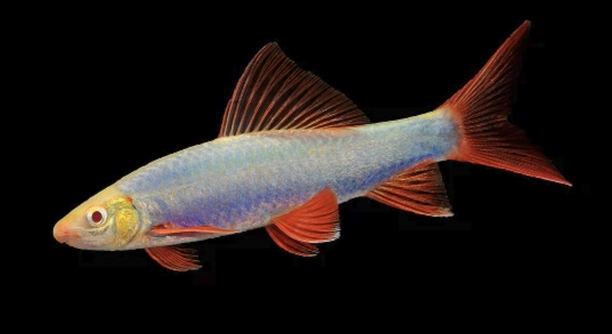
Is your rainbow shark constantly scratching against rocks, decorations, or the tank walls, leaving you concerned about its health and comfort? Understanding the reasons behind this behavior can help you take better care of your fish.
The most common reasons your rainbow shark keeps scratching include poor water quality, parasites, skin irritation, or stress from territorial issues. Addressing these causes promptly ensures a healthier environment and reduces the risk of ongoing or worsening behavior.
Scratching can signal something more than just an itch—learning what’s behind it will help you keep your rainbow shark healthy and active.
Poor Water Quality
Water quality plays a major role in your rainbow shark’s behavior. Scratching is often a reaction to irritation caused by ammonia, nitrite, or high nitrate levels. Even small fluctuations in these parameters can cause discomfort. Tap water that hasn’t been properly treated might also contain chlorine or heavy metals, which can irritate your fish’s skin. A clean tank isn’t just about appearance—it directly affects your fish’s health. Regularly test your water using an aquarium test kit. Weekly water changes, a reliable filtration system, and avoiding overfeeding will help stabilize the tank environment. It’s also important to clean any buildup from gravel and décor where harmful bacteria can grow. When water conditions are stable, your fish will act calmer and scratch less. Maintaining clean water not only reduces scratching but also prevents more serious health issues. Your fish depends on consistent conditions to stay healthy and stress-free.
A sudden increase in scratching may indicate that something in the water is causing discomfort or irritation to your fish.
Routine maintenance and testing are key. Test ammonia, nitrite, and nitrate levels weekly and adjust as needed. If levels are off, perform a 25–30% water change. Make sure your dechlorinator removes both chlorine and chloramine. Keep an eye on pH as well, since large shifts can cause stress. Proper water management not only prevents scratching but also boosts overall fish health. A good-quality filter, regular substrate vacuuming, and feeding small, manageable portions all contribute to maintaining water that is safe and clean. If your tank is newly set up, be aware of cycling imbalances that may lead to ammonia spikes. Consider using a biological additive to support your tank’s stability during this stage. Clean, balanced water makes a noticeable difference in your rainbow shark’s comfort and activity levels.
External Parasites
Scratching may also be a sign of parasites like ich, flukes, or anchor worms irritating your fish’s skin or gills.
When parasites are present, rainbow sharks will try to rub against hard surfaces to relieve the irritation. Ich appears as small white spots, while gill flukes can be harder to spot without close observation. You may also notice other symptoms like labored breathing, reduced appetite, or clamped fins. If you suspect parasites, isolate the affected fish if possible and start treatment right away. Over-the-counter medications are available, but always follow dosage instructions carefully. Raising the water temperature slightly and increasing aeration can also help speed up recovery, especially with ich. Use a quarantine tank for new fish to prevent future infections. Always check plants or décor before adding them to your tank. Proper quarantine procedures, clean water, and monitoring for early signs of infection will help you catch and treat problems before they escalate.
Skin Irritation from Sharp Décor
Sharp or rough tank decorations can cause physical irritation to your rainbow shark’s sensitive skin. Scratching against these surfaces may lead to scrapes, open wounds, or infections if the irritation continues or worsens.
Check your tank for jagged rocks, rough artificial plants, or decorations with sharp edges. Even if items look safe, run your fingers along their surfaces to feel for anything that might irritate delicate skin. Replace or smooth out anything that seems too coarse. Some rainbow sharks rub themselves when their slime coat is damaged—possibly from abrasions caused by décor. Stress, poor water conditions, or certain medications can also weaken this protective layer. Once damaged, the skin becomes more sensitive, leading to repeated scratching. Providing soft hiding spaces, like smooth caves or live plants, helps protect your fish while they recover. Observation and timely removal of unsafe objects will prevent further irritation.
Healing takes time, but reducing stress and improving tank comfort speeds up recovery. Avoid touching or moving the fish directly. Limit changes to the environment during this time. If needed, use aquarium-safe treatments that promote slime coat regeneration. Aloe-based water conditioners are gentle and helpful. Once the skin heals, scratching behavior often reduces noticeably. Always watch closely for infection signs like redness or fungus on the affected areas. Keep water clean during recovery to prevent complications. When your rainbow shark is surrounded by safe, smooth surfaces and clean water, they tend to calm down and stop rubbing against rough edges. Keeping the tank gentle and safe is just as important as keeping it clean.
Territorial Stress
Rainbow sharks are territorial by nature, especially in smaller tanks or when space is limited. They may scratch as a response to stress when other fish invade their preferred area.
If your tank is too small or lacks clear hiding spots, your rainbow shark may become anxious and display signs of territorial stress. This includes chasing other fish, hiding excessively, or rubbing against surfaces as an outlet. Choose tankmates carefully—avoid bottom dwellers that share the same swimming zone. Adding more caves or visual barriers helps divide the space and reduce conflict. Larger tanks allow for more natural behavior and fewer territory disputes. The more secure your rainbow shark feels, the less likely it is to engage in stress-related scratching.
In some cases, even a single tankmate can create problems if the space isn’t set up right. A 55-gallon tank is ideal for one rainbow shark, especially if other species are present. Adding live plants or driftwood can create boundaries, giving each fish its own space. Avoid placing two rainbow sharks in the same tank—they usually don’t tolerate each other. Monitor interactions closely and remove any overly aggressive fish. Lighting also plays a role—soft, indirect lighting helps reduce tension. When your fish feels less threatened and has space to retreat, territorial stress usually eases. Once stress levels decrease, scratching and rubbing behaviors often stop on their own without the need for medical treatment.
Natural Shedding Behavior
Rainbow sharks sometimes scratch during natural slime coat shedding. This is a normal process that helps them stay clean and protected, especially after minor stress or exposure to different water conditions.
If water quality is stable and no other symptoms appear, occasional scratching may simply be part of routine maintenance behavior.
Reaction to Medications or Treatments
Some medications used to treat fish diseases can irritate the skin or gills, especially if not dosed properly. Even approved treatments might cause a mild reaction depending on the fish’s sensitivity. Scratching after treatment may not always indicate a worsening issue but rather a side effect of the product. Always follow dosage instructions exactly and monitor your fish closely. If scratching increases after starting treatment, do a partial water change and consult the product’s guidelines. Avoid using multiple treatments at once unless instructed. Some medications reduce the slime coat, making the skin more vulnerable. Water conditioners with aloe or vitamins can help reduce this stress.
Sudden Environmental Changes
Big changes in temperature, pH, or lighting can cause discomfort. Fish may scratch when adjusting to these sudden shifts in their surroundings.
FAQ
How often is scratching normal for a rainbow shark?
Occasional scratching isn’t always a cause for concern. Rainbow sharks may rub against surfaces once in a while, especially during natural slime coat shedding or minor stress. However, if it becomes frequent or aggressive, it usually signals an underlying issue like poor water quality, parasites, or skin irritation. You’ll need to observe for other signs such as white spots, redness, clamped fins, or unusual behavior. If scratching is isolated and your shark is otherwise acting normally, monitor the situation. A single incident might not require action, but repeated scratching definitely needs a closer look.
Can poor diet cause scratching in rainbow sharks?
Yes, indirectly. A poor diet can weaken the immune system and slime coat, making your rainbow shark more vulnerable to irritants and parasites. If your fish isn’t getting the nutrients it needs, it won’t have the strength to fight off minor infections or recover from irritation. Offer a balanced diet that includes high-quality sinking pellets, supplemented with vegetables like blanched spinach or zucchini. Occasional protein sources like bloodworms or brine shrimp can be added for variety. Proper nutrition supports skin health and lowers the chances of scratching caused by poor internal health or external infections.
Is it okay to use salt to treat scratching?
Aquarium salt can help in some cases, especially when the scratching is caused by skin irritation or mild infections. It can soothe the skin and promote slime coat repair. However, salt should be used carefully—rainbow sharks are sensitive to changes in water chemistry. Always dissolve the salt completely before adding it to the tank. Start with a low dose (typically 1 tablespoon per 5 gallons) and monitor your fish’s reaction. Avoid repeated or long-term use unless you’re addressing a specific issue. If your tank has live plants or sensitive tankmates, be cautious as they may not tolerate salt well.
What if the scratching doesn’t stop after treatment?
If scratching continues even after you’ve improved water conditions, ruled out parasites, and removed sharp décor, it’s time to reevaluate. Recheck water parameters, including pH, hardness, and temperature. Sometimes stress lingers if the tank is too small or overcrowded. Consider whether any new fish, plants, or equipment have been added recently. Use a magnifying glass to inspect the fish for tiny parasites or skin damage. If unsure, consult an aquatic vet or fish expert. Chronic scratching is usually a sign something is still off, even if the source isn’t immediately obvious. Consistent observation is key.
Can scratching cause permanent damage to my fish?
Yes, if left untreated. Continuous scratching can damage the skin, leaving open wounds that are prone to infection. Over time, this can weaken your fish and lead to more serious health problems. Infections caused by injuries may require antibiotics or antifungal treatments. Preventing the cause of scratching early is the best way to avoid long-term harm. Gentle surfaces, clean water, and a stress-free environment will protect your fish’s skin. Always act quickly if you see redness, swelling, or fuzzy patches on the area where your rainbow shark has been scratching.
Do rainbow sharks scratch more at night?
Sometimes. Fish are more vulnerable to irritation when they’re resting or when the tank is quieter. Nighttime scratching might also be linked to fluctuations in temperature or oxygen levels. Make sure your tank’s temperature stays stable around the clock and your filtration provides enough aeration. If scratching seems worse at night, check if heaters or lighting systems are causing sudden changes. Stressful tankmates can also disturb your shark’s rest, leading to nighttime stress behaviors. Adjusting lighting schedules and ensuring enough personal space can help reduce these episodes.
Should I separate my rainbow shark if it’s scratching constantly?
If the behavior is severe and other fish are unaffected, isolation may be helpful for treatment and observation. A quarantine tank allows you to treat for parasites, bacterial infections, or irritation without affecting the main tank’s balance. It also helps reduce stress caused by other fish. Use clean, stable water and keep the setup simple—just a hiding spot and gentle filtration. This can give your fish a safe place to recover. Once symptoms improve, slowly reintroduce it to the main tank while continuing to monitor for any returning signs of stress or scratching.
Final Thoughts
Scratching in rainbow sharks may seem harmless at first, but it usually points to something deeper that needs attention. Whether it’s due to skin irritation, water issues, or stress from tankmates, the behavior shouldn’t be ignored. These fish are sensitive to changes in their environment, and even a small issue can make them uncomfortable. Watching your fish closely and keeping an eye on their habits will help you spot problems early. If you notice repeated scratching, start by checking water quality, décor, and signs of illness. These steps can often lead you straight to the cause.
Tank setup plays a major role in your rainbow shark’s behavior. A peaceful, stable environment with soft decorations, enough space, and proper tankmates can reduce stress and prevent scratching. Clean water and a balanced diet also support their health and skin protection. Remember, rainbow sharks are naturally territorial and may act out if they feel crowded. Giving them enough room and personal space makes a big difference. It’s also important to monitor any changes after using treatments, adjusting water parameters slowly and carefully to avoid sudden shocks that could trigger more rubbing or scratching.
Caring for a rainbow shark takes patience and regular attention. These fish are active, curious, and sensitive to stress. Scratching can often be fixed with small changes, but sometimes it takes time to see results. Trust what you observe, and don’t rush into multiple treatments without knowing the cause. Try one solution at a time, and allow your fish to respond before moving on. Keeping a journal of any changes in the tank, behavior, or water conditions may help you connect the dots. Over time, you’ll get to know your rainbow shark’s habits and notice what helps them stay calm and healthy. Taking these simple steps will help your fish thrive in a safe, comfortable tank.

Hello,
If you enjoy the content that we create, please consider saying a "Thank You!" by leaving a tip.
Every little bit helps us continue crafting quality advice that supports the health, happiness, and well-being of pets around the world, for pets of all shapes, sizes, and species.
We really appreciate the kindness and support that you show us!