
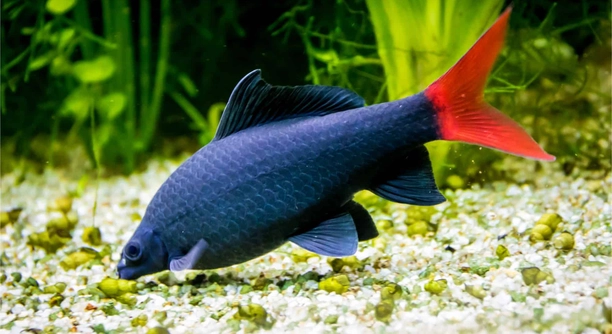
Rainbow sharks are popular freshwater fish known for their striking colors and active behavior. Many aquarium owners enjoy keeping them, but these fish need enough room to swim comfortably. Limited space can lead to stress and health problems for your rainbow shark.
Rainbow sharks require adequate space to maintain normal behavior and health. When confined to small tanks, they may show signs of stress, aggression, and stunted growth, indicating that their environment no longer meets their spatial needs.
Recognizing these signs early helps ensure your rainbow shark stays healthy and comfortable in its home.
Signs of Aggression and Territorial Behavior
When a rainbow shark feels cramped, it often becomes aggressive toward other fish. This behavior includes chasing, nipping, and guarding its space fiercely. You might notice your shark repeatedly attacking tank mates or circling the same area aggressively. These actions are a clear indication that the fish needs more room to establish its territory without conflict. Aggression can increase stress levels for all the fish in the tank, potentially leading to injuries or illness. A crowded tank also makes it difficult for the rainbow shark to swim freely, which can worsen its behavior. Observing your fish’s interactions carefully can help you spot these signs early and prevent long-term problems.
Aggression due to limited space affects both the rainbow shark and other fish in the tank. Reducing crowding is important for a peaceful environment.
Expanding the tank size or rearranging decorations can help your rainbow shark feel less threatened. Creating hiding spots and more swimming space reduces stress and improves overall fish behavior. Providing an environment where the shark can retreat and explore freely encourages a calmer, healthier fish. Making these changes supports peaceful cohabitation and helps maintain balance in your aquarium.
Changes in Swimming Patterns
When your rainbow shark needs more space, its swimming habits may change noticeably. It might swim erratically or spend more time hiding. Confined spaces limit natural movement, causing the fish to act restless or sluggish. This change can also signal stress or discomfort related to tank size.
A cramped environment can disrupt normal swimming, reducing activity levels and affecting the shark’s health.
Over time, restricted swimming space can weaken the shark’s muscles and reduce its ability to explore. Healthy rainbow sharks usually patrol their territory, showing smooth and steady movements. If yours suddenly avoids open water or appears stuck in one spot, it likely feels trapped. This behavior can worsen if there are many decorations or other fish competing for space. Providing a larger tank allows the shark to swim naturally and regain its energy. Adequate space helps maintain good physical health and encourages normal behavior, keeping your rainbow shark lively and content.
Loss of Appetite
A rainbow shark confined to a small space often loses interest in food. Stress from overcrowding or constant chasing can reduce its desire to eat. This loss of appetite is a warning sign that your fish is unhappy and may need a bigger tank to thrive.
When a rainbow shark stops eating properly, it risks malnutrition and weakened immune function. Stress from lack of space causes hormonal changes that reduce hunger. If your fish is hiding or avoiding feeding times, limited swimming room might be the cause. Ensuring there is enough space reduces stress and helps the shark regain normal eating habits. Sometimes, simply increasing the tank size encourages the fish to return to a healthy diet and improves overall well-being.
Low appetite is often paired with lethargy or hiding. These behaviors worsen if the environment remains cramped. A larger tank with fewer competitors for space supports better feeding and energy levels.
Visible Physical Changes
Rainbow sharks that do not have enough room may show physical signs of stress and poor health. Their colors may fade, and their fins might become damaged or frayed. These changes indicate that the fish is struggling in its environment.
Limited space forces the shark to stay close to tank decorations or other fish, which can cause injuries. Constant stress also weakens its immune system, making it more prone to disease. Lack of exercise in a small tank contributes to poor muscle tone and dull coloration. A larger tank provides better circulation and room to swim freely, helping the shark regain its vibrant colors and healthy fins. Monitoring your fish for these physical signs is important to prevent long-term health issues and improve its quality of life.
Excessive Hiding
Rainbow sharks that feel cramped tend to hide more often. They seek shelter to avoid other fish or stressful situations caused by limited space.
Constant hiding reduces their activity and social interaction, which affects their overall health and mood.
Rapid Breathing
Rapid or heavy breathing is a common sign that a rainbow shark is stressed. Overcrowded tanks can cause poor water quality and low oxygen, making it hard for the fish to breathe normally.
Monitoring your fish’s breathing rate can help identify if the environment is too small or unsuitable.
Stunted Growth
When rainbow sharks do not have enough space, their growth may slow down or stop altogether. Limited room restricts their ability to move and develop properly, affecting their size and health.
How much space does a rainbow shark need?
Rainbow sharks need a minimum tank size of about 55 gallons to thrive comfortably. This size gives them enough room to swim freely and establish territories without feeling crowded. Smaller tanks can lead to stress and aggression, so providing ample space helps maintain their health and behavior.
Can a rainbow shark live happily in a community tank?
Yes, but only if the tank is large enough and well-decorated. Rainbow sharks are territorial, so a spacious environment with hiding spots and breaks in sight lines can reduce aggression. Avoid overcrowding with other bottom dwellers to prevent conflict.
What happens if a rainbow shark doesn’t get enough space?
Lack of space causes stress, aggression, poor appetite, and stunted growth. The fish may hide excessively, show rapid breathing, or lose its vibrant colors. Over time, these issues can lead to illness or even death if the environment is not improved.
How can I tell if my rainbow shark is stressed?
Signs include aggression, hiding, loss of appetite, rapid breathing, and physical damage like torn fins. Behavioral changes such as erratic swimming or lethargy also indicate stress, often linked to tank size or water quality problems.
Is it better to have one rainbow shark or multiple?
Generally, it’s best to keep one rainbow shark per tank unless the tank is very large. Multiple sharks tend to fight due to territorial instincts, especially in smaller spaces. If you want more than one, ensure the tank is spacious with many hiding places.
What tank decorations help reduce stress for rainbow sharks?
Plants, caves, and rocks create hiding spots and break lines of sight, which can reduce aggression. Decorations should leave plenty of open swimming space to avoid crowding. Rearranging décor occasionally can help reset territories and reduce fights.
Can improving water quality help if space is limited?
Good water quality is essential but cannot replace the need for space. Clean water reduces stress and disease risk, but overcrowding still causes behavioral and health problems. Both adequate space and water conditions are necessary for a happy rainbow shark.
How often should I upgrade the tank size?
Upgrade when your rainbow shark starts showing signs of stress or outgrows its current tank. Growth rates vary, but upgrading early prevents many health and behavior issues. It’s better to provide more space than wait for problems to appear.
Are there alternative fish that need less space but look similar?
Some smaller species have bright colors but do not share the same territorial behavior. Research is important to find peaceful tank mates that fit your tank size and don’t stress your rainbow shark or other fish.
What diet supports a stressed rainbow shark?
A varied diet including sinking pellets, frozen or live foods helps maintain health and appetite. Stress can reduce eating, so offering favorite foods gently and frequently can encourage feeding during difficult times.
Can lighting affect the behavior of a rainbow shark?
Yes, lighting impacts fish activity. Too bright or constant light can increase stress, especially in small tanks. Providing a day-night cycle with dimmer periods helps simulate natural conditions and reduce anxiety.
How quickly do rainbow sharks recover after moving to a bigger tank?
Improvement in behavior and appetite can appear within days, but full recovery might take weeks. Patience is important, as the fish adjusts to the new environment and reestablishes territory peacefully.
What signs mean it’s time to separate aggressive fish?
If fights cause injuries or constant chasing, separation is necessary. Even in large tanks, some rainbow sharks remain aggressive. Using dividers or moving one fish to another tank helps protect all fish and reduce stress.
How do I maintain a balanced aquarium with a rainbow shark?
Regular water changes, proper filtration, adequate space, and compatible tank mates all contribute. Avoid overcrowding and provide hiding spots. Monitoring fish behavior daily helps catch problems early.
Can tank mates influence the space needs of a rainbow shark?
Yes, aggressive or territorial species increase stress and space requirements. Peaceful fish that occupy different tank levels reduce conflict. Choosing compatible species helps create a balanced environment with less competition for space.
What common mistakes cause rainbow sharks to need more space?
Overcrowding, poor tank layout, and keeping multiple sharks in a small tank are frequent errors. Lack of hiding spots and ignoring signs of stress worsen the problem. Planning tank size and fish numbers carefully prevents these issues.
Is tank size the only factor affecting rainbow shark health?
No, water quality, diet, and tank conditions all matter. Even in a large tank, poor care can cause problems. However, insufficient space is a leading cause of stress and illness in rainbow sharks.
What should I do if I can’t get a bigger tank immediately?
Try rearranging decorations to create more open swimming areas and hiding spots. Reduce the number of tank mates to lower crowding. Increase water changes and improve filtration to reduce stress until a larger tank is available.
How do I measure if my current tank is too small?
If your rainbow shark shows aggression, hides frequently, stops eating, or has damaged fins, these are clear signs. Also, check if the fish can swim freely without constant contact with decorations or other fish. These observations help decide if more space is needed.
Does adding plants help with limited space?
Plants provide hiding spots and improve water quality, which helps reduce stress. However, they don’t replace the need for swimming room. Combining plants with adequate tank size creates a healthier environment.
Providing enough space for your rainbow shark is one of the most important factors in keeping it healthy and happy. These fish are active swimmers and need room to explore their environment comfortably. When their space is limited, they often become stressed, which can lead to aggression and other health issues. A larger tank allows them to swim freely, reduces conflicts with other fish, and helps maintain their natural behaviors. Giving your rainbow shark enough room shows that you are taking good care of its needs.
Stress caused by a small tank can affect many aspects of your rainbow shark’s life. You may notice changes in behavior like hiding more, chasing other fish, or not eating well. Physical signs such as faded colors or damaged fins can also appear. These signs are warnings that the fish is struggling. By providing more space, you can help your rainbow shark regain its bright colors, strong health, and calm behavior. A well-sized tank supports both physical and mental well-being for your fish.
Taking the time to observe your rainbow shark closely can help you understand its needs better. Watching for signs like aggression, loss of appetite, or unusual swimming patterns gives you clues about its comfort level. Making changes early, such as upgrading the tank size or rearranging decorations, can prevent bigger problems later. In the end, a rainbow shark with enough space will live a longer, healthier life, and you will enjoy a more peaceful aquarium. Prioritizing space and good care is the best way to keep your fish thriving.

Hello,
If you enjoy the content that we create, please consider saying a "Thank You!" by leaving a tip.
Every little bit helps us continue crafting quality advice that supports the health, happiness, and well-being of pets around the world, for pets of all shapes, sizes, and species.
We really appreciate the kindness and support that you show us!