
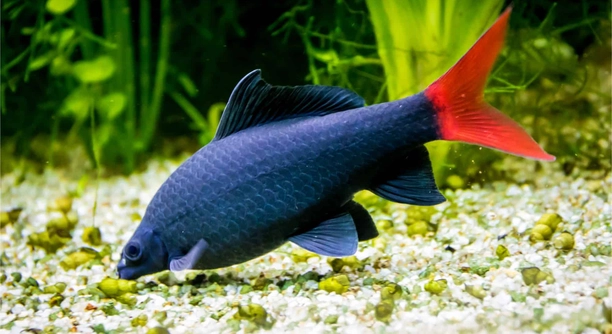
Have you ever added more than one rainbow shark to your tank and noticed things didn’t go quite as planned with their behavior?
Rainbow sharks are territorial freshwater fish and generally should not be housed together. When kept in the same tank, they often display aggressive behavior, especially in confined spaces without sufficient hiding spots or visual barriers.
Understanding their nature and space requirements can help you make safer choices when stocking your aquarium.
Why Rainbow Sharks Don’t Get Along with Each Other
Rainbow sharks are known for their territorial nature, especially when they share space with others of their kind. In a confined tank, they often become aggressive, chasing or nipping at each other. Even in large tanks, they may still compete for space, leading to stress and injury. These fish feel safest when they have their own territory to defend, so adding more than one can disrupt that balance. You might not see issues right away, but tension often builds over time. Their territorial instincts are part of their natural behavior, not something you can train out of them.
The safest setup is one rainbow shark per tank. This reduces tension and creates a calmer environment.
If you try to keep more than one rainbow shark in a tank, make sure it is at least 125 gallons with plenty of hiding spaces, plants, and barriers to break their line of sight. Even then, aggression can still happen.
When It Might Work
In rare cases, rainbow sharks can coexist in very large tanks. These tanks must have carefully planned layouts, visual breaks, and lots of room to establish separate territories. However, this setup requires experience and close monitoring.
A tank over 125 gallons with driftwood, rocks, and dense planting may reduce aggression by giving each fish their own space. Even so, rainbow sharks tend to test each other’s limits. Tank mates must be fast and non-aggressive to avoid conflict. It’s important to introduce them at the same time when young, so they grow used to each other. Never add a new rainbow shark to an established tank, as the original shark will likely see the newcomer as an intruder. Even if everything is done right, there is always a risk. Owners must be ready to separate them if things go wrong. Keeping multiple rainbow sharks is possible, but it comes with challenges and isn’t ideal for most home setups.
Signs of Aggression Between Rainbow Sharks
Rainbow sharks show aggression through chasing, fin nipping, and headbutting. They often guard a certain area and attack others who enter it. These behaviors usually get worse in smaller tanks or when there aren’t enough hiding spots to break up their territory.
Aggressive rainbow sharks will often patrol their area and push others out by charging at them. They may flare their fins or show brighter colors as a sign of dominance. Sometimes, they’ll follow another fish around the tank persistently, especially near food or favorite hiding spots. These signs shouldn’t be ignored, even if no injuries occur right away. Stress from constant chasing can weaken a fish’s immune system, making it more likely to get sick. Over time, this behavior leads to serious harm, especially if the tank is not large enough to give them space.
Even if your rainbow sharks seem fine at first, aggression can slowly increase as they mature. Young fish may tolerate each other for a while, but as they grow, their territorial instincts become stronger. You may start seeing one shark claim a section of the tank, pushing the other to stay in a corner or near the top. That’s a warning sign the setup isn’t working.
What to Do If Aggression Starts
If aggression starts, it’s important to act quickly. Start by adding more decorations and plants to break the line of sight between the fish. This can help reduce direct confrontation and give them space to retreat.
If things don’t improve, consider separating them completely. Move one rainbow shark to another tank or rehome it. Rearranging the tank can sometimes confuse territorial boundaries and reset behavior, but this doesn’t always work long-term. Avoid using tank dividers for extended periods, as they only mask the problem. Providing more space is the most effective solution. A tank upgrade can help, but it needs to be significantly larger to make a difference. Monitor them closely during feeding times and after changes. Aggression often returns if the setup remains too small or lacks enough structure. Rainbow sharks are simply not well-suited for cohabitation, and no setup is guaranteed to prevent fighting over time. It’s better to prioritize the well-being of each fish rather than forcing compatibility.
Tank Size Matters Most
A small tank will almost always trigger territorial behavior in rainbow sharks. Anything under 75 gallons creates too much competition for space, even with hiding spots. The smaller the space, the more likely one shark will dominate and bully the other.
A larger tank gives each shark room to establish its own area. Tanks over 125 gallons are the only setups with a slight chance of success. Even then, aggression may still occur if the space isn’t properly divided with plants, rocks, or decorations that block views and reduce conflict.
Compatible Tank Mates Only
Rainbow sharks do better with peaceful but fast-moving tank mates that occupy different levels of the tank. Avoid slow or bottom-dwelling fish, as they tend to enter the shark’s territory. Barbs, danios, and gouramis are usually better choices because they can hold their own and avoid confrontation without provoking the shark.
Avoid Adding Sharks Later
Introducing a second rainbow shark to an established tank rarely works. The first one will view the new fish as a threat and become more aggressive. Even if the tank is large, adding another shark later often leads to constant stress and territorial fights.
FAQ
Can two rainbow sharks live together peacefully?
Two rainbow sharks rarely live together without conflict. Their territorial instincts usually cause chasing and aggression, especially in tanks smaller than 125 gallons. Even with plenty of hiding spots, they tend to compete for space. Keeping just one rainbow shark per tank is the safest choice to avoid stress and injury.
What tank size is needed for multiple rainbow sharks?
A tank must be at least 125 gallons or larger to attempt housing multiple rainbow sharks. This size provides enough room for each fish to establish its own territory. The tank should be heavily decorated with plants, rocks, and other structures to create visual barriers and reduce direct encounters.
Why do rainbow sharks act aggressively toward each other?
Rainbow sharks are naturally territorial fish. They claim specific areas of the tank as their own and defend these spots aggressively. This behavior is instinctive and not based on individual personalities. In confined spaces, this territorial nature leads to constant chasing and fin nipping.
Are there signs to watch for early aggression?
Yes. Early signs include chasing, persistent following, and fin flaring. If you notice one shark constantly pushing another away from hiding spots or food, it’s a sign aggression is building. Ignoring these behaviors can lead to injury or stress-related illness.
Can rearranging the tank reduce aggression?
Rearranging decorations can help reset territorial boundaries temporarily. Adding plants, rocks, or driftwood to block sightlines reduces direct confrontations. However, this is only a partial solution and often doesn’t stop aggression if the tank is too small or overcrowded.
Is it okay to use tank dividers?
Tank dividers can separate aggressive rainbow sharks but are only a short-term solution. They don’t solve underlying territorial issues and limit swimming space. Long-term divider use isn’t recommended because it restricts natural behavior and reduces tank enjoyment.
What are good tank mates for rainbow sharks?
Good tank mates are fast, peaceful fish that swim in different parts of the tank, such as danios, barbs, and some gouramis. Avoid slow or bottom-dwelling species, as they may provoke territorial behavior. Tank mates should not compete for the same space as rainbow sharks.
How can I reduce aggression during feeding?
Feed rainbow sharks separately or spread food widely to avoid competition. Feeding at multiple spots helps reduce fighting over food. Keeping a consistent feeding schedule also lowers stress and territorial disputes during meal times.
What should I do if aggression gets out of control?
If chasing and fin damage become severe, separate the fish immediately. Move one shark to another tank or find a new home for it. Prolonged aggression can cause injuries and weaken their immune systems, leading to illness or death.
Can juvenile rainbow sharks live together better than adults?
Juveniles may tolerate each other briefly, but aggression increases as they mature. Territorial behavior develops with age, so even young sharks kept together need ample space and hiding spots. Introducing multiple juveniles at once in a large tank improves chances, but conflicts still happen.
Rainbow sharks are beautiful and active fish that many aquarium owners enjoy keeping. However, their territorial nature makes it difficult for them to live peacefully with others of the same species. When kept together in a tank that is too small or lacks enough hiding places, they often become aggressive and stressed. This behavior is natural for rainbow sharks, and it is important to understand their needs before deciding to keep more than one in the same tank. Providing enough space and proper decorations can help, but it is not a guarantee that they will get along.
A tank size of at least 125 gallons is generally recommended if you want to keep multiple rainbow sharks. The larger space allows each fish to establish its own territory, which reduces conflicts. Adding plants, rocks, and other barriers can help break up the line of sight and give the sharks places to retreat. Even with these precautions, aggression can still occur, especially as the fish mature. If you notice signs of chasing, fin nipping, or other aggressive behavior, it is important to act quickly. Rearranging the tank or separating the fish may be necessary to prevent injury and stress.
Overall, the safest approach is to keep only one rainbow shark per tank, especially for beginner or casual aquarists. If you decide to keep more than one, be prepared for the extra work and attention required to manage their behavior and environment. Careful planning and regular monitoring are key to maintaining a healthy and peaceful aquarium. Remember, the well-being of your fish should always come first, and it is better to provide a comfortable home for one healthy rainbow shark than to risk harm by overcrowding or poor tank conditions.

Hello,
If you enjoy the content that we create, please consider saying a "Thank You!" by leaving a tip.
Every little bit helps us continue crafting quality advice that supports the health, happiness, and well-being of pets around the world, for pets of all shapes, sizes, and species.
We really appreciate the kindness and support that you show us!