
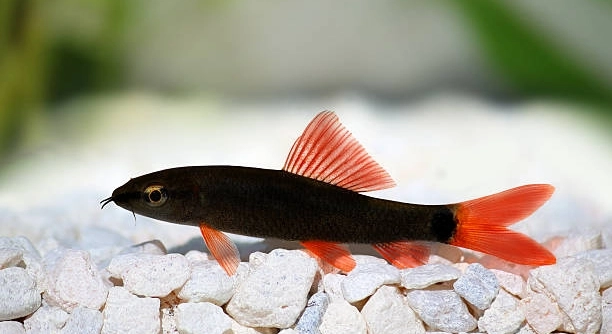
Creating a beautiful and healthy aquascape for rainbow sharks takes careful planning and attention. Many aquarists enjoy designing underwater environments that suit the needs of these active fish. A well-made aquascape can enhance both the fish’s well-being and the tank’s appearance.
To create the perfect aquascape for rainbow sharks, focus on providing ample swimming space, hiding spots with smooth decorations, proper substrate, and moderate water flow. Maintaining clean water conditions and balanced lighting supports their natural behavior and health.
Learning the right setup helps rainbow sharks thrive while adding a calm and natural look to your aquarium. This article will guide you through practical tips to achieve that balance easily.
Choosing the Right Substrate and Decorations
The substrate and decorations you pick for your rainbow shark’s tank play an important role in its comfort and health. Rainbow sharks prefer soft, smooth surfaces because rough ones can injure their delicate undersides. Sand or fine gravel is ideal as a substrate since it is gentle and easy to clean. Adding smooth rocks, driftwood, and sturdy plants gives them places to hide and explore. Avoid sharp or rough decorations that could cause harm. When placing decorations, try to create open swimming areas alongside cozy hiding spots. This balance helps the fish feel safe while allowing them enough space to swim actively. Be mindful of the tank’s size when adding items, as overcrowding can stress the fish. A clean, well-organized environment promotes good behavior and reduces stress.
Choosing the right substrate helps create a natural environment that supports rainbow sharks’ needs and enhances tank aesthetics.
Decorations should blend safety and beauty to encourage natural behaviors and provide shelter, improving overall fish welfare.
Maintaining Proper Water Conditions
Maintaining good water quality is essential for the health of rainbow sharks. These fish thrive in clean, well-oxygenated water with stable temperatures between 72 and 79°F (22–26°C). The pH level should be slightly acidic to neutral, around 6.5 to 7.5. Regular water changes, about 20-30% weekly, help remove waste and toxins. A reliable filtration system is necessary to keep the water clear and free from harmful substances. Avoid sudden changes in water temperature or chemistry, as rainbow sharks are sensitive to fluctuations. Monitoring water parameters regularly with test kits helps catch any issues early. Proper water maintenance prevents diseases and promotes vibrant colors and active swimming. Keeping the tank environment stable and clean is one of the best ways to ensure your rainbow shark remains healthy and happy.
Providing Adequate Swimming Space
Rainbow sharks need plenty of room to swim actively. A tank of at least 30 gallons is recommended for one adult fish. Crowded tanks can cause stress and aggression. Open areas help them move freely and stay healthy.
It’s important to arrange the tank so the fish can swim without many obstacles in their way. Decorations and plants should be placed around the edges or corners to keep the center open. This setup encourages natural swimming behavior and reduces territorial disputes. More space also allows you to add more fish if the tank size increases, creating a balanced community.
Remember that rainbow sharks are active and can become aggressive if confined. Providing enough swimming room helps lower stress levels and promotes a peaceful tank environment. A roomy aquarium supports their overall well-being.
Choosing Compatible Tank Mates
Rainbow sharks can be territorial, so tank mates must be chosen carefully. Avoid slow-moving or small fish that might be bullied. Medium-sized, fast-swimming fish are best companions.
Species like barbs, danios, and larger tetras tend to do well with rainbow sharks. They occupy different tank levels and keep busy, which reduces conflict. Avoid housing multiple rainbow sharks in small tanks, as they will fight. Proper tank size and hiding spots also help reduce aggression between tank mates. Monitoring fish behavior regularly allows early detection of any issues before they escalate. Peaceful community tanks create a better environment for everyone involved.
Lighting and Plant Choices
Rainbow sharks prefer moderate lighting that mimics their natural habitat. Too much light can cause stress and promote algae growth. Choose low to medium light levels for a comfortable environment.
Live plants like Java fern and Anubias are excellent choices. They provide hiding spots and improve water quality by absorbing nitrates, creating a healthier tank.
Feeding Your Rainbow Shark
Rainbow sharks are omnivores and need a balanced diet. Offer high-quality sinking pellets as their staple food. Supplement with live or frozen foods like bloodworms and brine shrimp to keep them healthy and active.
Creating Hiding Spots
Hiding places help reduce stress and territorial aggression. Use caves, driftwood, or dense plants to offer secure spots. These areas let the fish retreat when they feel threatened or need rest.
FAQ
How often should I clean my rainbow shark’s tank?
Cleaning the tank once a week with a partial water change of about 20-30% is ideal. This helps remove waste and keeps the water quality high. Regular cleaning prevents harmful buildup that can stress your fish and cause illness.
What is the best tank size for a rainbow shark?
A minimum of 30 gallons is recommended for one adult rainbow shark. This size provides enough swimming space and reduces territorial aggression. Larger tanks are better if you plan to keep multiple fish or add tank mates.
Can rainbow sharks live with other fish?
Yes, but choose compatible tank mates carefully. Avoid small or slow fish that could be bullied. Medium-sized, active fish like barbs and danios usually get along well. Keep an eye on behavior to prevent conflicts.
What do rainbow sharks eat?
They are omnivores, so a diet including sinking pellets, flakes, and live or frozen foods like bloodworms and brine shrimp works well. Feeding a variety of foods supports their health and coloration.
How do I reduce aggression in my rainbow shark?
Provide plenty of hiding spots and swimming space to reduce territorial fights. Avoid overcrowding the tank and monitor fish interactions regularly. If aggression persists, consider separating aggressive individuals.
What water conditions are best for rainbow sharks?
Stable water with temperatures between 72 and 79°F (22–26°C), a pH of 6.5 to 7.5, and low ammonia and nitrite levels is important. Regular water tests help maintain these conditions.
Can rainbow sharks jump out of the tank?
Yes, they can jump if startled or if water conditions are poor. A secure lid on the tank is important to prevent escapes and protect your fish.
How long do rainbow sharks live?
With proper care, rainbow sharks can live 5 to 8 years or longer. Good water quality, a balanced diet, and a stress-free environment contribute to their longevity.
Do rainbow sharks need special lighting?
Moderate lighting is best. Too much light can stress them and encourage algae growth. Use low to medium lighting and provide shaded areas with plants or decorations.
Why is my rainbow shark hiding all the time?
Hiding is normal behavior, especially when the fish feels stressed or threatened. Lack of hiding spots or poor water quality can increase hiding. Ensure the tank has enough shelters and clean water.
How often should I feed my rainbow shark?
Feed your rainbow shark once or twice a day in small amounts they can eat within a few minutes. Overfeeding can pollute the tank and harm their health.
Is it okay to keep more than one rainbow shark?
It’s best to keep only one rainbow shark in smaller tanks to avoid aggression. Larger tanks with plenty of space and hiding spots can sometimes house multiple, but watch for fights.
What signs show my rainbow shark is healthy?
Active swimming, bright colors, clear eyes, and regular eating habits indicate good health. Avoid lethargy, faded colors, or erratic swimming as these may signal problems.
How do I introduce a new rainbow shark to my tank?
Quarantine new fish for at least two weeks to prevent disease spread. Introduce them slowly, rearranging tank decorations to reduce territorial behavior.
Can I use artificial plants in my rainbow shark tank?
Yes, but choose smooth, soft artificial plants to avoid injuring the fish. Live plants are preferred for better water quality and natural hiding places.
What should I do if my rainbow shark looks sick?
Test water quality first, as poor conditions are a common cause. Look for signs like spots, fin damage, or unusual behavior. Consult an aquarium specialist or veterinarian if needed.
Creating the perfect aquascape for rainbow sharks requires careful attention to their natural needs. These fish are active and sometimes territorial, so providing enough swimming space and hiding spots is very important. Choosing the right substrate, decorations, and plants helps them feel safe and comfortable in their environment. Clean water and stable conditions support their health and encourage natural behavior. Taking time to set up a tank that balances all these factors makes a big difference in how well your rainbow shark will thrive.
Proper care for rainbow sharks also means thinking about their diet and tank mates. Feeding them a balanced diet with pellets and occasional live or frozen foods keeps them healthy and colorful. Choosing compatible fish helps reduce stress and aggression in the tank. Regular maintenance like water changes and monitoring water quality prevents many common problems. Keeping the tank clean and stable helps create a peaceful home where your fish can live happily for many years.
Overall, building and maintaining a great aquascape for rainbow sharks is rewarding. It takes some planning and effort, but the results are worth it. Watching your fish swim actively in a well-designed tank can be very satisfying. With attention to the details of their environment and care, rainbow sharks can be a beautiful and lively addition to your aquarium. Following these tips helps ensure they stay healthy and comfortable in their underwater world.

Hello,
If you enjoy the content that we create, please consider saying a "Thank You!" by leaving a tip.
Every little bit helps us continue crafting quality advice that supports the health, happiness, and well-being of pets around the world, for pets of all shapes, sizes, and species.
We really appreciate the kindness and support that you show us!