
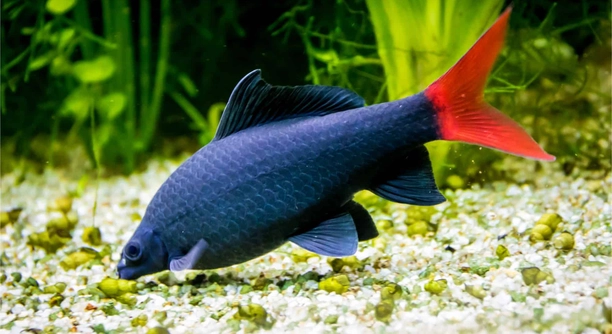
Do you ever find yourself struggling to keep your rainbow shark from chasing other fish or claiming the entire tank as its own?
The best way to control rainbow shark tank territory is by providing enough space, hiding spots, and choosing tank mates carefully to reduce aggression and stress.
Creating a balanced environment makes a big difference in your shark’s behavior and helps all your fish feel more at ease.
Why Rainbow Sharks Get Territorial
Rainbow sharks can be very particular about their space. In the wild, they claim areas along riverbeds and chase away intruders. In a tank, they often do the same. A small tank with little cover makes this behavior worse. When they feel like their space is being invaded, they react by chasing or nipping at other fish. This stress can affect both the rainbow shark and its tank mates. The issue becomes more noticeable as the shark matures and becomes more territorial. It’s common for aggression to increase if there are not enough places to hide or explore. Without proper tank setup, the shark may dominate the entire space, making it hard for other fish to swim freely. This behavior isn’t personal—it’s just how they protect what they see as theirs. Giving them a space where they feel safe can help reduce this stress.
Tank size, lack of hiding spots, and tank mates that enter their space often cause rainbow sharks to act aggressively.
A good setup helps a lot. Having the right layout with hiding spots, plants, and smooth rocks can help the shark feel more secure. This also lets other fish escape when needed, reducing overall tension in the tank.
7 Simple Tips to Control Tank Territory
Start with at least a 55-gallon tank. Rainbow sharks need room to explore and set boundaries without feeling overcrowded.
Adding tall plants, caves, and driftwood breaks the tank into sections. This makes the space feel larger to your fish and gives each one a sense of privacy. Rainbow sharks are bottom dwellers, so decorating the lower part of the tank helps the most. Avoid decorations with sharp edges to protect their fins. When choosing tank mates, go for species that swim in the middle or top of the tank. Avoid other bottom-dwellers or fish with similar shapes, as they might trigger aggression. Feed your fish regularly and evenly across the tank to prevent competition during mealtime. It’s also important to limit the number of fish to avoid crowding. Rearranging tank décor every few months can help reset territory claims and ease tension. Finally, keep the water clean and well-filtered—poor water quality can make territorial behavior worse.
How to Choose the Right Tank Mates
Tank mates should be peaceful and swim in different levels of the tank. Middle or top-level swimmers help reduce conflict. Avoid other bottom dwellers or brightly colored fish that may look like a threat to the rainbow shark.
Fish like barbs, danios, and rasboras are usually good choices. They’re quick swimmers and tend to mind their own space. Cory catfish and other bottom dwellers should be avoided since they might compete for territory. Never house two rainbow sharks together unless the tank is very large and well-planted. Even then, it’s a risk. Avoid slow or long-finned species, as they may get chased. The goal is to limit stress for all fish. Always monitor new additions closely. Some fish may seem peaceful at first but can become targets once the rainbow shark adjusts. Spacing, hiding spots, and balanced feeding all play a role in helping tank mates coexist peacefully.
Adding all fish at the same time can help reduce territory issues. When rainbow sharks are the last added, they tend to dominate quickly. Introducing fish together creates a neutral start. It prevents the shark from claiming the entire tank before others get a chance. Spreading out hiding spots also helps distribute territories more fairly.
Rearranging the Tank to Reduce Aggression
A simple way to lower aggression is by moving decorations around. This resets the shark’s sense of ownership. Fish become less focused on defending specific spots and are more likely to explore new areas calmly.
Make changes during water changes to reduce stress. Move caves, driftwood, and rocks to new spots. Spread hiding areas across the tank so no one fish controls too much space. Keep enough plants and cover near the bottom where the rainbow shark stays most. Rearranging helps fish feel like they are all starting fresh in a new layout. This is useful when adding new fish or after fights. Be consistent but not too frequent—changing things every few weeks works well. It also helps maintain a balanced tank, both in appearance and behavior. Combining this with good tank mates and enough space can reduce long-term issues and make the environment feel safer for everyone.
Best Tank Layout for Rainbow Sharks
Use caves, driftwood, and plants to break up sightlines in the tank. This reduces the shark’s urge to chase and helps each fish find its own space. Avoid wide open areas near the bottom.
Place decorations at different levels in the tank. This encourages fish to spread out and not crowd the shark’s zone. Having hiding spots in corners also helps shy fish feel more secure.
Feeding Strategies to Avoid Conflict
Feed at the same time each day, and spread the food across the tank. This keeps the rainbow shark from dominating one feeding area. Use sinking pellets for the shark and floating flakes for other fish. Offering food in multiple spots reduces tension and competition during mealtime. Avoid overfeeding, as leftover food can cause poor water quality and increase stress. If possible, feed the shark slightly earlier or use a feeding ring to direct food where you want it. Observation helps—watch how the shark reacts during feeding, and adjust if needed to keep things peaceful.
Signs Your Shark Is Too Aggressive
Constant chasing, nipped fins, or one fish hiding all day are common signs. If this continues, it may be time to rehome the shark or rearrange the tank.
FAQ
Can I keep more than one rainbow shark in the same tank?
Keeping more than one rainbow shark in the same tank is risky. They are very territorial, especially with their own kind. Two rainbow sharks often fight, sometimes to the point of serious injury or death. If you want to try keeping more than one, you’ll need a tank that’s at least 125 gallons with plenty of plants, caves, and decorations to break up sightlines. Even then, there is no guarantee they will get along. It’s usually safer to keep just one rainbow shark per tank. This keeps stress and aggression levels lower for all the fish.
How big should my tank be for a rainbow shark?
A 55-gallon tank is the minimum size for a single rainbow shark. This gives the fish enough space to claim a territory without bothering the other fish too much. Anything smaller increases the chance of aggression, stress, and health problems. If you plan to add tank mates, especially those that stay near the bottom, a bigger tank is better. More space means more areas to hide, swim, and escape if needed. It also helps keep water quality more stable, which is important for keeping rainbow sharks healthy and calm in the long run.
What kind of decorations help reduce aggression?
Use caves, driftwood, smooth rocks, and tall plants. These help create natural barriers and hiding spots throughout the tank. Spread them out evenly, especially near the bottom where rainbow sharks stay most of the time. When a tank is open and empty, the shark feels like it has to defend the entire area. Decorations break up that space and reduce visual contact between fish. This helps each fish find its own area and feel safe. Try not to use sharp objects, since rainbow sharks can hurt themselves if they dart away too fast.
Can I keep rainbow sharks with bottom feeders like plecos or cory catfish?
It’s not recommended. Rainbow sharks often see other bottom dwellers as threats, especially if they look similar or try to enter their territory. Plecos and cory catfish may be peaceful, but that won’t stop a rainbow shark from chasing or nipping at them. Over time, this can lead to injury or stress for both fish. If you really want a cleaner fish, consider species that stay near the top or mid-level of the tank instead. You can also rely on regular tank maintenance and water changes to keep things clean without adding more bottom feeders.
How do I know if my rainbow shark is stressed?
Stressed rainbow sharks may become more aggressive, hide more often, lose color, or stop eating. Watch how it behaves around other fish. If it’s constantly chasing, that’s a sign something is off. Stress can come from overcrowding, poor water quality, or lack of hiding spots. You might also notice frayed fins or signs of illness if the stress goes on for too long. To reduce stress, improve the tank layout, check your water parameters, and make sure the shark has space and quiet areas to rest. Quick action can prevent bigger problems.
Should I rearrange the tank when adding new fish?
Yes, it helps a lot. Rainbow sharks tend to claim areas quickly. If you add new fish without changing the tank, the shark may attack them for entering its space. Rearranging decorations resets territories and gives everyone a fair chance to explore. Try doing it during a water change to reduce stress. Move things like rocks and plants to different places, especially around the shark’s usual area. After that, introduce new fish with the lights off for a few hours. This can reduce aggressive behavior during the first few moments of contact.
What should I feed my rainbow shark?
Rainbow sharks are omnivores. They do best on a balanced diet of sinking pellets, algae wafers, and occasional treats like bloodworms or blanched vegetables. Feed once or twice a day and only what they can eat in a few minutes. Overfeeding causes waste buildup and affects water quality. Rainbow sharks also like grazing on algae in the tank, but they shouldn’t rely on it alone. Offering a mix of foods keeps them healthy and reduces competition during feeding time. Make sure other fish also get their share by spreading food around different areas of the tank.
How long do rainbow sharks live?
Rainbow sharks can live up to 6–10 years with the right care. A good tank setup, clean water, and a proper diet all play a big role in their lifespan. Stress and aggression can shorten their life, so it’s important to keep their environment calm. Regular water changes, monitoring tank mates, and feeding them well helps prevent common issues. Watching for signs of stress or illness also makes a difference. With attention to their needs, rainbow sharks can be active, colorful fish that thrive for many years in a home aquarium.
Final Thoughts
Rainbow sharks are bold, active fish that bring a lot of personality to a tank. But with their strong territorial nature, they can become aggressive if the setup isn’t right. Understanding their behavior is the first step to keeping them happy. These fish like to have their own space, and they will protect it if they feel crowded. That’s why tank size, layout, and the type of tank mates you choose are so important. When they have enough room and the right environment, rainbow sharks can live peacefully with other fish.
A well-planned tank setup makes all the difference. Starting with a tank that’s at least 55 gallons gives the rainbow shark space to explore and claim a smaller area instead of the whole bottom. Adding caves, driftwood, rocks, and plants helps break up sightlines and gives hiding places for all fish. Choosing peaceful tank mates that swim in the upper or middle parts of the tank reduces conflict. Rearranging the layout once in a while can also reset territorial behavior. These small steps can help avoid stress, injuries, and other problems that may come from keeping a territorial fish in a shared tank.
Even with all the right care, every rainbow shark has its own personality. Some may be more aggressive than others, even in ideal conditions. It’s important to watch their behavior and make changes if needed. Sometimes that means moving decorations, switching tank mates, or even rehoming the shark if it becomes too aggressive. These decisions are part of responsible fishkeeping. In the end, rainbow sharks can be a rewarding addition to the right tank setup. With patience, observation, and proper care, they can thrive and bring energy to your aquarium for years.

Hello,
If you enjoy the content that we create, please consider saying a "Thank You!" by leaving a tip.
Every little bit helps us continue crafting quality advice that supports the health, happiness, and well-being of pets around the world, for pets of all shapes, sizes, and species.
We really appreciate the kindness and support that you show us!