
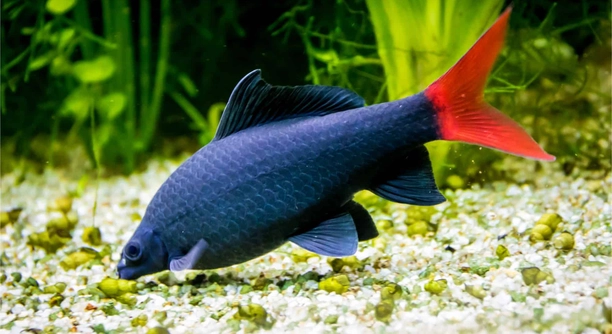
Are your rainbow sharks showing signs that they might be ready to breed? Many aquarium owners want to know when their fish are in breeding condition. Recognizing these signs can help prepare for successful breeding.
Rainbow sharks display breeding readiness through distinct physical and behavioral changes. These include intensified coloration, increased activity, territorial behavior, and specific mating displays. Identifying these indicators allows aquarists to provide optimal conditions for reproduction.
Understanding these signs will help you support your rainbow shark’s health and breeding success. Let’s look at the key ways to tell if your fish are ready to breed.
Color Changes in Rainbow Sharks
One of the first signs your rainbow shark is ready to breed is a change in its color. The usually muted body color becomes brighter and more vibrant. This happens because breeding fish often display enhanced colors to attract mates. The fins might also show more distinct edges or highlights. These color changes are especially noticeable in healthy fish that are in a calm environment with proper lighting and good nutrition. If you see your rainbow shark’s colors becoming more intense, it could mean they are entering their breeding phase. This visual cue is a reliable indicator that the fish is physically prepared to reproduce. Observing these changes helps you understand when to adjust tank conditions to support breeding behaviors. The brightness of the colors reflects the fish’s overall health and readiness.
Bright colors in rainbow sharks indicate readiness for breeding and are a clear, natural signal of their reproductive state.
It is important to keep water quality high during this time. Clean, stable water conditions will encourage your fish to maintain their vibrant colors and continue showing breeding behavior. Avoid sudden changes in the tank environment that could stress the fish or cause colors to fade.
Behavioral Signs of Breeding Readiness
Rainbow sharks become more active and show territorial behavior when they are ready to breed. They may chase other fish more often and defend certain areas of the tank. This aggression is normal and part of their natural mating rituals. You might also notice that the fish spend more time near plants or decorations, which they use as spawning sites. These behaviors help prepare the fish for successful reproduction by establishing a safe space for eggs. Watching how your rainbow shark interacts with its environment and tank mates will give you clues about its breeding condition. Increased activity levels and territorial displays are strong indicators that your fish are in the right mood for mating. Maintaining a proper tank setup with hiding places will support these natural behaviors and reduce stress in the tank.
Physical Changes in Body Shape
During breeding season, the body shape of a rainbow shark can change slightly. Females may appear fuller, especially around the belly area, due to developing eggs. Males might look slimmer and more streamlined, ready for courtship and chasing.
These physical changes are subtle but important to notice. The swollen belly in females becomes more rounded and firm as the eggs mature. You may also see the fish resting more often as they prepare for spawning. Males, on the other hand, tend to become more energetic and their fins may grow sharper edges, helping in displays and fights over territory. Watching these changes can help you tell if your fish is healthy and ready to breed. It’s a natural process that signals the right time to set up breeding conditions in the tank.
Sometimes, the fish may lose a bit of weight after spawning due to the energy spent on reproduction. Make sure to provide good nutrition during and after this period to help them recover quickly.
Nesting and Spawning Behavior
Rainbow sharks show clear nesting behavior by selecting specific spots in the tank to lay eggs. They often clean surfaces like rocks or plants before spawning. This preparation ensures a safe place for the eggs.
Spawning typically happens early in the morning or late afternoon when the fish are less active. Females lay eggs that stick to the prepared surfaces, and males follow closely to fertilize them. After spawning, the adults usually guard the eggs for a short time but may become more aggressive to protect their territory. It is important to watch for this behavior to avoid stress or injury to other tank mates. Providing plenty of hiding spots and a calm environment helps the fish complete the process successfully. Careful observation during this phase ensures that the eggs have the best chance of hatching.
Increased Appetite
Rainbow sharks often eat more before breeding. This extra food helps build energy needed for spawning. Watching their feeding habits can reveal when they are preparing to breed.
A well-fed fish is healthier and more likely to reproduce successfully. Provide a balanced diet with high-quality pellets and occasional live or frozen foods to meet their needs.
Territorial Behavior
Territorial behavior becomes stronger during breeding. Rainbow sharks defend specific areas of the tank more aggressively. This is natural and part of their mating ritual.
Changes in Swimming Patterns
Before breeding, rainbow sharks swim more actively and in a more purposeful way. They patrol their chosen territory and may chase other fish away. This behavior is a sign of readiness to mate.
Fin Displays
Males often flare their fins to appear larger and more attractive during breeding. This fin display is a common sign of breeding readiness and helps them compete for females.
How can I tell if my rainbow shark is male or female?
Telling male and female rainbow sharks apart can be tricky because they look very similar. Usually, females have rounder, fuller bellies, especially when they are ready to breed. Males tend to be slimmer and might have longer or sharper dorsal fins. Behavior also helps—males are more territorial and show fin displays during breeding season. However, these differences can be subtle, so observing your fish over time and during breeding periods gives the best clues.
What is the best tank setup for breeding rainbow sharks?
A proper tank setup is key for successful breeding. A tank around 30 gallons or larger is recommended to give the fish space to establish territories. Include plenty of hiding spots with rocks, plants, and decorations. Flat surfaces or broad leaves work well for egg laying. Keep the water clean and stable with temperatures between 75-82°F (24-28°C). Slightly acidic to neutral pH, around 6.5-7.0, supports breeding. Gentle filtration and minimal water flow help protect eggs after spawning.
How long does it take for rainbow shark eggs to hatch?
Rainbow shark eggs usually hatch within 3 to 5 days after spawning. This time depends on water temperature—warmer water speeds up hatching. Keep the tank clean and avoid disturbing the eggs during this period. After hatching, the fry are very small and need special care, including tiny foods like infusoria or powdered fry food.
Do adult rainbow sharks eat their own eggs?
Yes, adult rainbow sharks may eat their eggs, especially if the tank is crowded or if they feel stressed. This behavior is common in many fish species. To protect the eggs, it’s best to separate the adults from the spawning site after the eggs are laid or use a breeding box. Providing plenty of hiding places can also reduce the risk of egg predation.
What should I feed rainbow shark fry?
Rainbow shark fry need very small, nutritious foods after hatching. Start with infusoria, which are tiny aquatic organisms, or commercially available powdered fry foods. As they grow, you can introduce newly hatched brine shrimp and finely crushed flakes. Feed small amounts multiple times a day to support healthy growth. Clean water and frequent partial water changes are important to keep the fry healthy.
Can rainbow sharks breed in community tanks?
Breeding rainbow sharks in community tanks is possible but challenging. The presence of other fish can stress the sharks, and their territorial behavior may lead to conflicts. Also, other fish might eat eggs or fry. A separate breeding tank or divider is usually recommended to increase the chance of successful breeding. If kept in a community tank, ensure plenty of space, hiding spots, and watch closely for aggressive behavior.
What changes should I make to encourage breeding?
To encourage breeding, start by improving water quality and stability. Gradually raise the water temperature within the recommended range. Offer a nutritious diet rich in protein to boost energy. Create a calm environment with plenty of hiding spots and flat surfaces for egg laying. Reducing light slightly can mimic natural conditions. Observe your fish for signs of readiness and avoid disturbing them during this sensitive time.
How do I care for rainbow shark fry after hatching?
Caring for fry requires attention to water quality and feeding. Keep the water clean with gentle filtration and perform frequent small water changes. Feed them tiny foods multiple times daily to support rapid growth. Avoid strong currents, as fry are weak swimmers. Keep the fry separate from adults to prevent aggression or accidental eating. Watch for signs of disease and act quickly if needed.
Is it normal for rainbow sharks to become aggressive during breeding?
Yes, increased aggression is normal during breeding season. Rainbow sharks defend their territory fiercely to protect spawning sites and mates. This behavior helps ensure the survival of their offspring but can be stressful for other tank mates. Providing enough space and hiding spots can reduce conflicts. Monitoring interactions helps prevent injury or stress.
How often do rainbow sharks breed?
Rainbow sharks do not have a fixed breeding schedule but can breed multiple times a year under optimal conditions. Breeding frequency depends on factors like water quality, diet, and tank environment. Healthy, well-fed fish in stable tanks are more likely to breed regularly. Patience and consistent care increase chances of successful breeding over time.
Knowing how to tell if your rainbow shark is in breeding condition helps you support their health and natural behaviors. Watching for changes in color, behavior, and body shape gives clear signs that your fish are ready to reproduce. These signs are important to notice so you can prepare the tank and provide the best care during the breeding period. Proper conditions help reduce stress and improve the chances of successful spawning. When the fish are ready, they often become more active, show brighter colors, and may guard their chosen spots in the tank. Being aware of these natural signals allows you to act at the right time.
Creating a suitable environment is just as important as recognizing these signs. Clean water, proper temperature, and enough space give your rainbow sharks the comfort they need for breeding. Including hiding places and flat surfaces for egg laying supports their natural habits. Feeding a nutritious diet helps the fish build energy and stay healthy through the breeding cycle. Taking care of water quality and avoiding sudden changes can prevent stress, which might stop the fish from breeding. Remember, patience is key—breeding may not happen immediately, but with time and care, your rainbow sharks can successfully reproduce.
After spawning, the process of raising fry requires attention and gentle care. Fry need special foods and clean water to grow strong. Separating the fry from adult fish protects them during their vulnerable early days. Watching their development and keeping the tank conditions stable ensures they have the best start. Breeding rainbow sharks can be rewarding but requires observation and effort. Understanding their signs and needs will help you provide a healthy environment, improving their chances to breed and thrive. With careful care and patience, you can enjoy watching your rainbow sharks grow and continue their natural life cycle.

Hello,
If you enjoy the content that we create, please consider saying a "Thank You!" by leaving a tip.
Every little bit helps us continue crafting quality advice that supports the health, happiness, and well-being of pets around the world, for pets of all shapes, sizes, and species.
We really appreciate the kindness and support that you show us!