
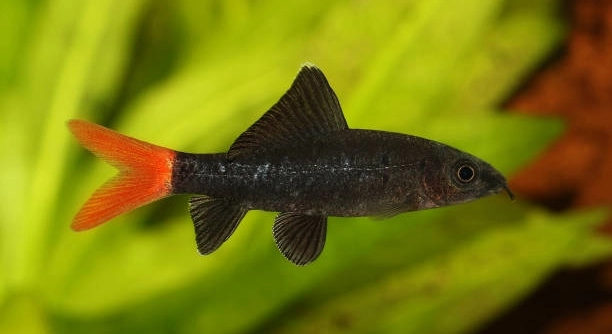
Rainbow sharks are popular freshwater fish known for their vibrant colors and active behavior. Many aquarium owners wonder how well they get along with other fish in a community tank. Their temperament and needs require some attention to ensure harmony.
Rainbow sharks can live with other fish if the tank is large enough and tank mates are chosen carefully. Aggressive or slow-moving fish should be avoided, as rainbow sharks may become territorial and stress other fish. Proper hiding spots reduce conflicts.
Knowing these key points will help you create a balanced aquarium where your rainbow shark and other fish can coexist peacefully.
Understanding Rainbow Sharks’ Temperament
Rainbow sharks are semi-aggressive fish that often defend their territory, especially as they mature. They like to swim near the bottom of the tank and may chase other fish that come too close. Their behavior can cause stress in more timid or slow-moving species. However, they are not overly aggressive if given enough space. Providing hiding spots like caves or plants helps reduce aggression. The size of the aquarium plays a big role, as cramped spaces increase conflict. It is important to avoid keeping more than one rainbow shark in a small tank because they may fight each other. They are active swimmers and need room to roam. Watching their interactions closely in the first few weeks can help prevent problems before they escalate.
Their temperament means they need careful tankmate selection to maintain peace.
Choosing tankmates that are quick swimmers and not easily stressed works best to keep harmony in the aquarium.
Ideal Tankmates for Rainbow Sharks
Choosing the right tankmates can be tricky. Fish that are fast and active but not aggressive tend to do well with rainbow sharks. Some good options include barbs, danios, and certain types of tetras. Avoid slow-moving or long-finned fish like bettas or angelfish, as they may become targets. Also, bottom dwellers such as catfish usually coexist peacefully because they occupy different areas of the tank. Adding plenty of plants and decorations can give shy fish places to hide, reducing stress and conflict. Monitoring fish behavior regularly helps catch any signs of bullying early. When tankmates are chosen carefully, the aquarium can be a peaceful environment for all inhabitants. Remember to keep the tank clean and water parameters stable to support healthy fish interactions.
Tank Size and Space Requirements
Rainbow sharks need plenty of space to reduce territorial behavior. A tank of at least 55 gallons is recommended for one rainbow shark. This size allows them to swim freely and establish territories without constant confrontation.
A larger tank helps in keeping peace among tankmates. It creates distinct zones, so fish have room to avoid each other. Overcrowding leads to stress and aggression, so maintaining appropriate stocking levels is essential. Even with peaceful fish, a cramped environment can cause issues.
Proper filtration and water circulation also support a healthy environment. Clean water helps reduce stress, which in turn lowers the chance of aggressive behavior. Maintaining space and water quality together ensures a balanced aquarium for your rainbow shark and companions.
Feeding and Diet Considerations
Rainbow sharks are omnivores and require a varied diet. They enjoy flakes, pellets, and live or frozen foods like bloodworms or brine shrimp. Feeding a balanced diet keeps them healthy and less prone to aggression caused by hunger.
Feeding should be done once or twice daily in small amounts to avoid overfeeding. Uneaten food can pollute the water and create health problems. Feeding during the same time every day helps establish a routine.
Adding sinking pellets is useful since rainbow sharks are bottom dwellers. Offering a mix of plant-based and protein-rich foods mimics their natural diet. This variety supports their energy needs and vibrant coloration.
Water Parameters and Tank Conditions
Rainbow sharks thrive in water with a temperature between 72°F and 79°F. The pH should be kept between 6.5 and 7.5 for optimal health. Stable water conditions reduce stress and aggression.
Regular water changes and good filtration help maintain clean water. This supports the fish’s immune system and overall well-being.
Behavior Monitoring
It’s important to watch how your rainbow shark interacts with other fish daily. Early signs of aggression include chasing and fin nipping. Addressing these behaviors early can prevent injuries and stress in the tank.
Providing Hiding Spots
Hiding places like caves, rocks, and plants help reduce stress. These spots give your rainbow shark and other fish areas to retreat and feel safe.
Avoiding Overcrowding
Keeping the tank balanced with a reasonable number of fish prevents competition for space and resources. Overcrowding increases aggression and lowers water quality.
Can rainbow sharks live with other fish?
Yes, rainbow sharks can live with other fish if the tank is large enough and tankmates are carefully chosen. They need room to swim and territories to reduce aggression. Peaceful, fast-swimming fish make the best companions.
What fish should not be kept with rainbow sharks?
Avoid slow-moving or long-finned fish like bettas, angelfish, or fancy guppies. These species are often targets for chasing and fin nipping by rainbow sharks. Also, avoid keeping more than one rainbow shark in a small tank, as they may fight each other.
How big should the tank be for rainbow sharks?
A minimum of 55 gallons is recommended for one rainbow shark. This size gives them enough space to swim and establish territories. A larger tank helps reduce stress and aggressive behavior among fish.
What water conditions do rainbow sharks need?
Rainbow sharks prefer water temperatures between 72°F and 79°F and a pH of 6.5 to 7.5. Keeping water parameters stable is important for their health. Regular water changes and good filtration maintain water quality.
How aggressive are rainbow sharks?
Rainbow sharks show semi-aggressive behavior. They defend their territory, especially near the tank bottom. However, aggression is usually manageable if the tank is large enough and tankmates are chosen wisely.
What is the best diet for rainbow sharks?
Rainbow sharks are omnivores and need a varied diet. They eat flakes, pellets, and live or frozen foods like bloodworms or brine shrimp. Sinking pellets work well since they feed near the bottom. Feeding should be once or twice daily in small amounts.
Can I keep more than one rainbow shark?
It’s possible but only if you have a very large tank with plenty of hiding spots. Otherwise, they may become territorial and fight. It’s safer to keep just one rainbow shark in a standard aquarium.
How can I reduce aggression in a tank with a rainbow shark?
Make sure the tank is large enough and has plenty of hiding spots. Choose tankmates that are fast swimmers and not easily stressed. Avoid overcrowding and maintain clean water. Watch fish behavior closely to catch problems early.
Are rainbow sharks good for community tanks?
Rainbow sharks can fit well into community tanks if the conditions are right. They need compatible tankmates and enough space. Slow or shy fish might not do well with them, so tankmate choice is key.
What signs show a rainbow shark is stressed?
Signs of stress include hiding excessively, losing color, refusing food, or excessive chasing. Stress can lead to illness. Improving water quality and providing hiding places usually helps reduce stress.
How often should I feed a rainbow shark?
Feed once or twice daily in small portions. Overfeeding can pollute the water and cause health problems. A balanced diet keeps your rainbow shark healthy and less aggressive.
What tank decorations are best for rainbow sharks?
Use caves, rocks, and plants to create hiding spots. These help reduce aggression by giving fish places to retreat. Avoid sharp decorations that could injure your fish.
Can rainbow sharks live with bottom-dwelling fish?
Yes, they usually coexist well with bottom dwellers like catfish or loaches because they occupy different areas of the tank. This reduces competition and conflict.
Do rainbow sharks need special care?
They need stable water parameters, enough space, and a balanced diet. Regular monitoring for signs of stress or aggression helps keep them healthy. Proper care helps them live a long, happy life.
What is the average lifespan of a rainbow shark?
Rainbow sharks typically live between 5 to 8 years with good care. Maintaining clean water, proper diet, and a peaceful environment contributes to their longevity.
Rainbow sharks are colorful and active fish that can add life to a freshwater aquarium. However, their semi-aggressive nature means they need special attention when choosing tankmates and setting up their environment. Making sure the tank is large enough and providing plenty of hiding spots helps reduce stress and fighting. This way, rainbow sharks can live peacefully with other fish in a shared tank. Understanding their behavior and needs is key to creating a healthy, balanced aquarium.
Keeping water conditions stable is just as important as picking the right fish companions. Rainbow sharks do best in water with a temperature between 72°F and 79°F and a slightly acidic to neutral pH. Regular water changes and good filtration improve water quality, which supports their health and calmness. Feeding them a varied diet of flakes, pellets, and live or frozen foods keeps them strong and vibrant. Overfeeding or poor water quality can lead to health problems and increase aggression, so care and attention are needed.
Watching your rainbow shark’s behavior over time can help catch any problems early. If they start chasing other fish too much or showing signs of stress, adjustments may be needed. Sometimes changing tankmates, adding more hiding places, or increasing tank size can help ease tensions. With proper care and a good setup, rainbow sharks can be a rewarding addition to a community aquarium. They bring color and activity but need a thoughtful approach to live happily alongside other fish.

Hello,
If you enjoy the content that we create, please consider saying a "Thank You!" by leaving a tip.
Every little bit helps us continue crafting quality advice that supports the health, happiness, and well-being of pets around the world, for pets of all shapes, sizes, and species.
We really appreciate the kindness and support that you show us!