
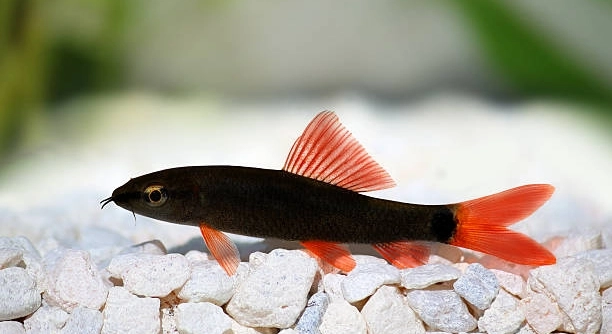
Rainbow sharks are popular freshwater fish known for their vibrant colors and active behavior. Keeping them healthy requires a properly set up tank that meets their needs. Many owners want to improve their tanks for better fish wellbeing.
Improving a rainbow shark’s tank setup involves steps like choosing the right tank size, maintaining proper water conditions, providing hiding spots, and ensuring compatible tank mates. These measures help create a stable and comfortable environment for the fish to thrive.
Following these steps will help enhance your rainbow shark’s habitat. The right setup promotes health and reduces stress, leading to a more vibrant and active fish.
Choosing the Right Tank Size
A rainbow shark needs enough space to swim actively and establish territory. A tank that is at least 30 gallons provides ample room for one fish. Smaller tanks can cause stress and aggressive behavior due to limited space. When you start with the right size, maintaining water quality becomes easier. A larger tank also allows room for plants and decorations, which the shark uses for hiding. Make sure to measure your available space to find a tank that fits comfortably in your home. Avoid overcrowding by not adding too many other fish. Proper tank size is the foundation for a healthy setup and happier fish.
A 30-gallon or larger tank is recommended to support a single rainbow shark comfortably. This size reduces stress and allows natural behavior.
Taking time to select the right tank size improves your rainbow shark’s quality of life. The fish will be less aggressive and more vibrant when given enough space. Additionally, a larger tank helps keep water parameters stable, which benefits all aquatic life inside.
Maintaining Proper Water Conditions
Maintaining clean, stable water is essential for your rainbow shark’s health. Regular water changes, about 20-30% weekly, remove waste and toxins. Use a good water conditioner to remove chlorine and chloramine from tap water before adding it to the tank. Keep the water temperature between 74°F and 80°F, and monitor pH levels around 6.5 to 7.5. Consistent filtration helps maintain oxygen levels and prevents buildup of harmful substances. Testing water parameters frequently will help you spot any changes early. A healthy water environment prevents disease and keeps your fish active and colorful. It’s helpful to establish a routine to check these factors regularly.
Water changes and filtration are key to maintaining stable water quality. Regular testing helps prevent health problems.
Using reliable filtration and maintaining water parameters within the right range supports your rainbow shark’s wellbeing. Avoid sudden changes in temperature or pH, as these can stress the fish. A clean environment also reduces algae growth and keeps the tank visually appealing. Over time, consistent care will lead to a thriving aquatic ecosystem where your rainbow shark can display its natural behaviors and colors more vividly.
Providing Hiding Spots
Rainbow sharks need places to hide and feel secure. Adding rocks, caves, and plants gives them shelter and reduces stress.
Hiding spots also help reduce aggression by giving fish places to retreat. Use smooth decorations to avoid injury. Live plants or artificial ones both work well, depending on your preference. Arranging these in different parts of the tank creates multiple safe zones. This helps the fish feel comfortable and lowers territorial disputes. It is important to clean and maintain these decorations regularly to avoid algae buildup.
Having various hiding places encourages natural behavior and makes your rainbow shark feel more at ease. It can explore the tank without feeling exposed. This leads to better health and more vibrant colors, as stress decreases significantly. Properly placed shelters also improve tank aesthetics, making the environment pleasant to look at.
Ensuring Compatible Tank Mates
Rainbow sharks can be territorial, so choosing the right tank mates is important. Avoid other aggressive or similar-shaped fish that might cause conflicts.
Peaceful species like tetras, danios, or gouramis usually get along well with rainbow sharks. It is best to introduce fish that occupy different levels of the tank to reduce competition. Avoid overcrowding, as limited space increases stress and aggression. Observing interactions after adding new fish is key to identifying any problems early. A well-balanced community promotes harmony and keeps all fish healthier. Regular monitoring helps maintain a peaceful environment over time.
Feeding Your Rainbow Shark
Rainbow sharks thrive on a varied diet. Provide high-quality pellets, flakes, and occasional live or frozen foods.
Feeding small amounts twice daily prevents overfeeding. Uneaten food should be removed promptly to maintain water quality.
Regular Tank Cleaning
Cleaning the tank regularly removes waste and keeps the environment healthy. Perform partial water changes and vacuum the substrate.
A clean tank reduces stress and disease risk. Avoid harsh chemicals and clean decorations carefully to protect beneficial bacteria.
Monitoring Fish Behavior
Watch your rainbow shark for signs of stress or illness. Changes in activity or appearance can indicate problems.
Early detection allows prompt action. Addressing issues quickly helps maintain a healthy tank environment.
Adjusting Lighting
Lighting should mimic natural daylight but not be too bright. Use a timer for consistent day-night cycles.
Proper lighting supports fish health and plant growth. Avoid prolonged exposure to intense light to reduce stress.
FAQ
How often should I change the water in my rainbow shark’s tank?
Regular water changes are essential for maintaining a healthy tank. Changing about 20-30% of the water every week helps remove toxins and waste that build up over time. It also keeps the water parameters stable, which reduces stress for your fish. Avoid changing too much water at once, as sudden shifts can shock your rainbow shark. Using a gravel vacuum during water changes helps clean the substrate without disturbing beneficial bacteria.
What is the ideal water temperature for rainbow sharks?
Rainbow sharks thrive in temperatures between 74°F and 80°F. Keeping the water within this range supports their metabolism and immune system. Sudden temperature changes can cause stress or illness. Using a reliable aquarium heater and thermometer helps maintain a consistent temperature. It is best to avoid placing the tank near windows or heating vents to prevent fluctuations.
Can rainbow sharks live with other fish?
Yes, but choosing tank mates carefully is important. Rainbow sharks can be territorial, especially in smaller tanks. Peaceful fish that occupy different levels of the tank, such as tetras or danios, usually coexist well. Avoid other aggressive or similar-shaped fish that may trigger fighting. Always monitor behavior when introducing new fish to ensure harmony.
What do rainbow sharks eat?
Rainbow sharks are omnivores. They eat high-quality pellets or flakes as a staple diet. Supplement their meals with occasional live or frozen foods like bloodworms or brine shrimp. Adding vegetables such as blanched zucchini or spinach supports their nutrition. Feeding twice daily in small portions prevents overfeeding and maintains water quality.
How big do rainbow sharks get?
Rainbow sharks typically grow up to 6 inches in length. Proper tank size and diet influence their growth. A 30-gallon or larger tank provides enough space for them to swim and develop fully. Overcrowding or poor conditions can stunt growth and cause stress.
Why is my rainbow shark hiding all the time?
Hiding is normal behavior when rainbow sharks feel stressed or threatened. Insufficient hiding spots or aggressive tank mates may cause them to retreat frequently. Make sure the tank has plenty of decorations, plants, and caves for shelter. Stable water conditions also reduce stress and encourage activity.
How do I prevent my rainbow shark from being aggressive?
Aggression often arises from territorial disputes or overcrowding. Providing enough space, hiding spots, and compatible tank mates lowers aggression. Maintaining good water quality also reduces stress-induced behavior. If aggression persists, consider separating the fish or increasing the tank size.
What signs indicate my rainbow shark is sick?
Look for changes in color, clamped fins, lethargy, loss of appetite, or unusual swimming patterns. White spots, redness, or ulcers can indicate infections. Early detection allows prompt treatment and prevents the spread of illness. Regular tank maintenance and monitoring help keep your fish healthy.
How do I clean the tank without harming beneficial bacteria?
Use gentle methods when cleaning the tank. Avoid strong chemicals or harsh scrubbing on decorations and filter media. Rinse filter sponges or pads in tank water during water changes to preserve bacteria. Maintaining beneficial bacteria is crucial for breaking down waste and keeping water safe.
Can I keep multiple rainbow sharks together?
It is possible but requires a large tank (at least 55 gallons) with plenty of hiding places. Even then, some aggression may occur, especially between males. Introducing all fish at the same time and providing enough space can reduce conflicts, but caution is necessary. Monitoring behavior is important to prevent injuries.
Final Thoughts
Creating a suitable tank setup for your rainbow shark is important for its health and happiness. Each step, from choosing the right tank size to maintaining proper water conditions, plays a role in providing a safe and comfortable environment. When these factors are carefully managed, your fish will show more natural behavior and vibrant colors. Consistency in care is key to ensuring long-term wellbeing.
Paying attention to details like hiding spots and compatible tank mates helps reduce stress and aggression in the tank. Rainbow sharks are territorial, so giving them places to retreat and avoiding overcrowding improves their overall comfort. Observing your fish regularly allows you to notice any changes early, which can help prevent illness. Keeping the tank clean and monitoring water quality are essential parts of daily maintenance.
Improving your rainbow shark’s tank setup is not difficult, but it requires patience and dedication. Small adjustments can make a big difference in how your fish behaves and thrives. With proper care, your rainbow shark can live a healthy, active life, bringing beauty and interest to your aquarium. This effort creates a more enjoyable experience for both the fish and you as an owner.

Hello,
If you enjoy the content that we create, please consider saying a "Thank You!" by leaving a tip.
Every little bit helps us continue crafting quality advice that supports the health, happiness, and well-being of pets around the world, for pets of all shapes, sizes, and species.
We really appreciate the kindness and support that you show us!