
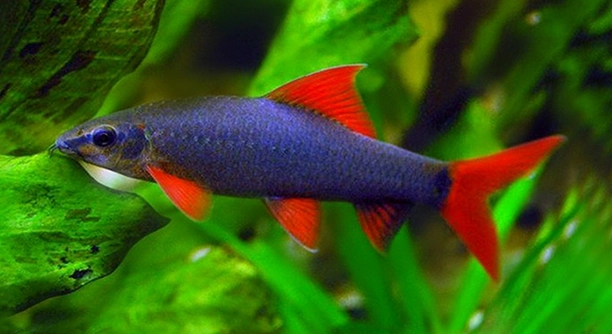
Rainbow sharks are popular freshwater fish known for their vibrant colors and active behavior. Many aquarium enthusiasts enjoy keeping them due to their unique appearance and energetic nature. Breeding these fish, however, requires specific knowledge and care to succeed.
Breeding rainbow sharks involves creating the right environment, including proper tank size, water conditions, diet, and careful selection of breeding pairs. Understanding their territorial behavior and providing suitable spawning sites are essential for successful reproduction.
Knowing these key factors will help you create a healthy and supportive space for your rainbow sharks to thrive and reproduce naturally. This guide covers essential tips for managing the breeding process effectively.
Setting Up the Right Tank Environment
Creating the ideal tank environment is the first step for breeding rainbow sharks successfully. These fish need at least a 30-gallon tank to have enough space to swim and establish territories. The water temperature should be maintained between 75 and 80 degrees Fahrenheit, with a pH level around 6.5 to 7.0. Clean water is crucial, so regular filtration and partial water changes are necessary. Adding plants and hiding spots helps reduce aggression during breeding, as rainbow sharks can be territorial. A sandy or fine gravel substrate is preferred because it mimics their natural habitat. It is important to avoid overcrowding the tank, as this stresses the fish and lowers the chances of spawning. Setting up separate breeding and grow-out tanks also improves survival rates of the fry by preventing them from being eaten by adult fish.
Proper tank setup supports healthy breeding and ensures the fish feel comfortable enough to spawn.
The right environment minimizes stress and encourages natural behaviors important for successful breeding.
Feeding and Conditioning Rainbow Sharks
Feeding the rainbow sharks well is important for their breeding readiness. Providing a varied diet with high-quality flakes, pellets, live foods, and vegetables helps condition the fish. Live foods like bloodworms and brine shrimp improve their health and increase spawning chances. Feeding small amounts multiple times a day prevents overfeeding and keeps the water clean. Conditioning usually takes a few weeks to prepare the fish physically for reproduction. Males and females should be fed separately if possible to monitor their health and readiness. A well-fed fish is more likely to display courtship behaviors, increasing the chances of successful breeding. Using vitamin supplements can also support their immune system and overall vitality. Proper nutrition directly impacts the quality of eggs and sperm, affecting fry survival rates.
When fish are healthy and well-fed, their behavior changes, making it easier to notice when breeding is about to happen. Maintaining a consistent feeding schedule helps build trust and reduces aggression in the tank. Observing the fish closely during this period allows for timely intervention if any health issues arise. Proper feeding and conditioning set the stage for a smoother spawning process and healthier offspring.
Selecting Breeding Pairs
Choosing healthy and mature rainbow sharks is essential for breeding success. Look for vibrant colors and active behavior. Both males and females should be at least 6 inches long and about one year old to be ready to breed.
To identify males, check for slimmer bodies and more intense coloration. Females tend to be rounder, especially when carrying eggs. Separating pairs in a breeding tank reduces stress and aggression, giving them a better chance to spawn. Monitor their behavior for signs of courtship, such as chasing or nudging.
Introducing the pair to a calm environment encourages natural breeding behaviors. Avoid overcrowding and provide enough hiding spots. Keep water quality high to support their health during this period. Patience is key, as breeding may take several weeks.
Spawning and Egg Care
Rainbow sharks prefer to lay eggs on flat surfaces like broad leaves or smooth rocks. After spawning, remove the adults to prevent them from eating the eggs. The eggs typically hatch within 36 to 48 hours.
Maintain clean water and stable temperature to ensure good development of the eggs. Avoid sudden changes that can harm the embryos. Use a gentle filter to keep the water oxygenated without disturbing the eggs.
Once hatched, the fry need very small foods like infusoria or newly hatched brine shrimp. Gradually introduce finely crushed flakes as they grow. Keep the fry tank clean and separate from adult fish to improve survival rates.
Managing Aggression During Breeding
Rainbow sharks can become aggressive, especially males defending territory. Keeping plenty of hiding spots helps reduce fights. If aggression persists, separating the fish may be necessary to protect weaker individuals.
Providing a well-structured tank layout with plants and decorations helps create boundaries. This reduces stress and supports a calmer breeding environment for all fish involved.
Monitoring Water Quality
Consistently checking water parameters is crucial during breeding. Ammonia and nitrite levels must be zero, with nitrates kept low. Regular testing helps catch problems early.
Maintaining stable temperature and pH prevents stress, which can delay or stop spawning. Clean water supports healthy eggs and fry development.
Handling Fry Growth
Fry grow quickly and need frequent feeding with appropriate-sized foods. Providing a clean tank and good nutrition supports healthy development. Monitor their growth and adjust feeding as needed to keep them thriving.
FAQ
How long does it take for rainbow shark eggs to hatch?
Rainbow shark eggs usually hatch within 36 to 48 hours after being laid. The exact time depends on water temperature, which should be kept stable between 75 and 80 degrees Fahrenheit. Warmer water can speed up hatching, while cooler water slows it down. Keeping the water clean and well-oxygenated is essential for healthy embryo development during this period.
Can rainbow sharks breed in a community tank?
Breeding rainbow sharks in a community tank is challenging due to their territorial nature. Males can become aggressive toward other fish, especially during breeding. To improve success, it is better to use a separate breeding tank where the pair can spawn without interference. This also protects eggs and fry from other tank mates that may eat them.
How do I tell if my rainbow shark is male or female?
Males generally have slimmer bodies and more intense coloration compared to females. Females tend to look rounder, especially when carrying eggs. These differences become more noticeable when the fish are mature, around one year old and six inches long. Observing behavior during the breeding season can also help identify sexes, as males display more territorial and chasing behaviors.
What should I feed rainbow shark fry?
Newly hatched fry need very small foods such as infusoria or liquid fry food. After a few days, you can introduce newly hatched brine shrimp, which are rich in nutrients. As the fry grow, finely crushed flakes or powdered fish food can be added. Frequent feeding, about three to four times daily, ensures proper growth but avoid overfeeding to keep water clean.
How often should I change water during breeding?
Water changes should be regular but gentle during breeding and fry development. Partial water changes of 20-25% every two to three days help maintain water quality without stressing the fish. Avoid sudden or large changes, as this can shock eggs or fry. Using dechlorinated water at the same temperature helps prevent harm.
Is it necessary to separate parents after spawning?
Yes, it is recommended to remove adult rainbow sharks after spawning because they may eat the eggs. Separating them protects the eggs and increases the chances of fry survival. Adults are territorial and can be aggressive toward the eggs or newly hatched fry, so keeping them apart is important for breeding success.
What water parameters are best for breeding rainbow sharks?
Ideal water parameters for breeding include a temperature of 75 to 80 degrees Fahrenheit, a pH between 6.5 and 7.0, and soft to moderately hard water. Ammonia and nitrite levels should always be zero, with nitrates kept below 20 ppm. Stable parameters reduce stress and promote healthy breeding behaviors.
How long does it take for fry to grow into adults?
Rainbow shark fry typically take around 6 to 9 months to grow into adults, depending on diet, water quality, and tank conditions. Proper feeding and clean water speed up growth. During this time, they gradually develop the vibrant colors and body shape of mature fish. Providing enough space is important to avoid stunted growth.
Can I breed rainbow sharks without special equipment?
While it’s possible to breed rainbow sharks without advanced equipment, having a good filtration system and heater improves success. These tools help maintain stable water conditions, which are critical for spawning and fry survival. Basic aquarium supplies, like plants and hiding spots, also support natural breeding behaviors.
What signs show that breeding is about to happen?
Before spawning, you may notice increased chasing, circling, or nudging between the pair. Males become more territorial and display brighter colors. Females may appear fuller in the belly as eggs develop. These behaviors indicate readiness to spawn and are signs to prepare the breeding tank carefully.
Breeding rainbow sharks requires patience, care, and attention to detail. It is important to create the right environment where the fish feel comfortable and safe. This includes maintaining clean water with proper temperature and pH levels. Providing enough space, hiding spots, and a suitable substrate helps reduce stress and aggression, which can interfere with breeding. Setting up a separate breeding tank is often necessary to protect the eggs and fry from adult fish and other tank inhabitants.
Feeding the rainbow sharks a varied and nutritious diet plays a key role in preparing them for breeding. Healthy fish are more likely to show natural breeding behaviors and produce viable eggs and sperm. Conditioning the fish with live and high-quality foods supports their overall well-being. Once spawning occurs, removing the adult fish from the breeding tank is important to prevent them from eating the eggs. Regular water changes and stable water conditions help ensure the successful development of the eggs and fry.
Caring for the fry requires special attention to feeding and tank maintenance. Fry need small, nutritious foods and frequent feedings to support their growth. Keeping the fry tank clean and separate from adults increases their chances of survival. Although breeding rainbow sharks can be challenging due to their territorial nature, following these steps improves the likelihood of success. With careful management, patience, and consistent care, it is possible to breed rainbow sharks and enjoy watching the young fish develop and grow.

Hello,
If you enjoy the content that we create, please consider saying a "Thank You!" by leaving a tip.
Every little bit helps us continue crafting quality advice that supports the health, happiness, and well-being of pets around the world, for pets of all shapes, sizes, and species.
We really appreciate the kindness and support that you show us!