
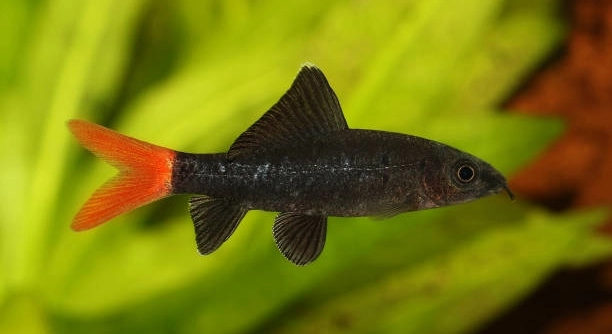
Keeping a Rainbow Shark’s tank clean is important for the fish’s health and well-being. Many owners find it challenging to maintain a balanced environment that supports their pet’s needs. Proper care ensures a safe and comfortable home for the fish.
Maintaining a clean environment for a Rainbow Shark involves regular water changes, monitoring water parameters, removing uneaten food, and cleaning the substrate and decorations. Consistent maintenance prevents harmful waste buildup and supports the fish’s natural behavior and health.
Knowing the key steps to keep your tank clean will help your Rainbow Shark thrive. This guide will cover essential tips for creating a healthy aquatic environment.
Setting Up the Right Tank Environment
Creating a suitable environment is the first step to keeping your Rainbow Shark’s tank clean. The tank should be at least 30 gallons to provide enough space for swimming. Use a good filtration system to remove waste and keep water clear. The filter should be rated for your tank size and cleaned regularly. Adding live plants helps absorb excess nutrients, which can reduce algae growth. Keep the water temperature between 75 and 79 degrees Fahrenheit, as this range supports the fish’s health. It is also important to maintain a pH level between 6.5 and 7.5. Substrate choice matters; fine gravel or sand works best to avoid trapping waste. Regularly remove leftover food and debris from the bottom to prevent decay. Proper lighting is helpful but avoid direct sunlight, which can cause algae to grow quickly. These steps create a balanced environment for your Rainbow Shark.
Regular maintenance of the tank’s equipment is key to a clean environment.
Regular cleaning of the filter and checking equipment prevents malfunction. A clean filter runs efficiently, supporting water quality. Keeping the tank setup stable reduces stress on your fish and promotes a healthier habitat. Paying attention to these details makes a significant difference in tank cleanliness and fish well-being.
Regular Water Changes and Cleaning
Performing regular water changes is essential to remove toxins and refresh the tank environment. Changing 20 to 25 percent of the water weekly keeps nitrate levels low and maintains overall water quality. Use a gravel vacuum to clean the substrate during water changes, removing debris and uneaten food that can pollute the tank. Avoid disturbing the fish too much during this process to reduce stress. Water conditioners are necessary to neutralize chlorine and heavy metals found in tap water before adding it to the tank. Testing the water weekly for ammonia, nitrite, nitrate, and pH ensures the environment stays within safe limits. Consistent cleaning routines prevent buildup of harmful substances and create a stable living space. Removing algae from tank walls and decorations with a gentle scraper also helps maintain clarity and a clean look. Sticking to these habits ensures your Rainbow Shark’s habitat remains healthy and inviting.
Monitoring Water Quality
Keeping track of water quality is essential for a clean Rainbow Shark tank. Regular testing helps catch problems early before they harm the fish. Use reliable test kits to measure ammonia, nitrite, nitrate, and pH levels.
Ammonia and nitrite are toxic to fish, even in small amounts. Both should be at zero for a safe environment. Nitrate is less harmful but should stay below 20 ppm to prevent stress. pH should remain stable between 6.5 and 7.5. Sudden changes can upset your Rainbow Shark and encourage algae growth. Testing weekly provides a clear picture of the tank’s condition. Adjustments such as partial water changes or adding treatments may be necessary depending on results. Keeping water quality stable supports your fish’s immune system and overall health.
It is also helpful to keep a log of water tests and changes. This record shows trends and makes it easier to spot recurring issues. Consistency in testing and responding ensures your Rainbow Shark thrives in a clean and balanced environment.
Feeding Habits and Tank Cleanliness
Uneaten food contributes heavily to water pollution and algae growth. Feeding your Rainbow Shark only what it can consume within a few minutes minimizes leftover waste. Overfeeding leads to decaying food that pollutes the water and causes harmful spikes in ammonia and nitrate levels. Feeding smaller portions more frequently helps maintain balance and keeps the tank cleaner. Remove any uneaten food quickly using a net or siphon to prevent it from breaking down in the substrate. A varied diet with high-quality pellets, flakes, and occasional live or frozen foods supports your fish’s health without excessive waste. Proper feeding habits are a simple yet effective way to maintain water quality and reduce cleaning efforts.
Choosing the Right Filtration System
A good filtration system is crucial for maintaining water clarity and quality. It removes waste, excess food, and toxins that build up in the tank. Choose a filter rated for at least your tank’s size.
Filters need regular maintenance to function properly. Cleaning or replacing filter media keeps the system efficient. A clogged or dirty filter can cause water quality to decline quickly, affecting your Rainbow Shark’s health.
Cleaning Decorations and Substrate
Decorations and substrate collect debris and algae over time. Cleaning these regularly prevents buildup and keeps the tank visually appealing. Use a soft brush or sponge to avoid damaging decorations.
Avoid harsh chemicals when cleaning. Rinse decorations with warm water and clean the substrate gently with a siphon during water changes. This helps maintain a healthy environment without introducing harmful substances.
Avoiding Overcrowding
Overcrowding increases waste and stress levels in the tank. Keep the fish population balanced to reduce cleaning needs and maintain water quality. A few well-chosen tank mates help support a stable environment.
Using Water Conditioners
Water conditioners neutralize harmful chemicals in tap water. They are essential during water changes to protect your Rainbow Shark. Using conditioners prevents chlorine and heavy metals from causing stress or illness.
How often should I clean my Rainbow Shark’s tank?
Cleaning frequency depends on tank size, filtration, and fish load. Generally, a 20 to 30 percent water change weekly is recommended. Gravel vacuuming during water changes helps remove debris. Filters should be checked and cleaned monthly but avoid washing all filter media at once to preserve beneficial bacteria. More frequent cleaning may be needed if you notice cloudy water, algae buildup, or odor.
What is the best type of filter for a Rainbow Shark tank?
Canister filters and hang-on-back filters are popular choices. Canister filters offer strong mechanical, chemical, and biological filtration and are suitable for larger tanks. Hang-on-back filters are easier to maintain and work well for medium tanks. Ensure the filter can handle at least the tank’s volume once per hour to maintain water quality. Proper filtration reduces harmful waste buildup and keeps water clear.
Can I use tap water for water changes?
Tap water can be used if treated properly. Chlorine and chloramine in tap water are harmful to fish. Use a water conditioner to neutralize these chemicals before adding water to the tank. Letting tap water sit out for 24 hours only removes chlorine, not chloramine. Always test the water after treatment to ensure it’s safe.
How do I know if the water parameters are safe?
Use aquarium test kits to measure ammonia, nitrite, nitrate, and pH levels. Safe parameters are ammonia and nitrite at zero, nitrate below 20 ppm, and pH between 6.5 and 7.5. Sudden changes or high readings indicate a problem requiring partial water changes or adjustments. Regular testing keeps the environment stable.
What should I do if my tank develops algae?
Algae growth is normal but excessive algae signals imbalance. Reduce light exposure by limiting tank lighting to 8-10 hours daily and avoiding direct sunlight. Perform more frequent water changes and clean decorations and glass regularly. Adding live plants competes with algae for nutrients. Controlling feeding to prevent leftover food also helps reduce algae.
Is overfeeding harmful to my Rainbow Shark?
Yes, overfeeding causes uneaten food to decay and pollute the water. This increases ammonia and nitrate levels, stressing fish and encouraging algae. Feed small amounts that the fish can finish in 2-3 minutes, once or twice a day. Remove any leftover food promptly to maintain water quality.
How do I clean the substrate without harming beneficial bacteria?
Use a gravel vacuum during water changes to remove waste from the substrate. Avoid disturbing the entire substrate at once; clean only a portion each time to preserve beneficial bacteria colonies. Beneficial bacteria mostly reside in the filter media but also on surfaces throughout the tank.
Can I keep other fish with my Rainbow Shark?
Rainbow Sharks can be territorial, especially in small tanks. Suitable tank mates include peaceful species that occupy different tank levels, like tetras, danios, or Corydoras catfish. Avoid keeping multiple Rainbow Sharks in small tanks to prevent aggression. Provide hiding spaces to reduce stress.
What temperature is best for a Rainbow Shark?
Keep the water temperature between 75°F and 79°F. Stable temperatures within this range support metabolism, immune function, and activity. Use a reliable heater and thermometer to maintain consistent warmth, avoiding sudden changes that stress the fish.
How do I handle tank maintenance without stressing my Rainbow Shark?
Perform water changes and cleaning slowly and calmly. Avoid sudden movements and loud noises near the tank. Use gentle tools and keep handling of decorations and substrate minimal. Turn off the filter briefly during cleaning but turn it back on immediately afterward. Keeping a regular schedule helps the fish adapt to maintenance routines.
Keeping your Rainbow Shark’s tank clean is essential for the fish’s health and happiness. A clean environment helps prevent diseases and keeps water conditions stable. Regular water changes, proper filtration, and careful feeding all play important roles in maintaining a healthy tank. Paying attention to these details may take some effort, but it ensures your fish will thrive and live comfortably in its home.
Creating the right environment starts with choosing the correct tank size and equipment. A well-sized tank with a reliable filter will make maintaining water quality easier. Regular testing of water parameters such as ammonia, nitrite, nitrate, and pH helps detect any issues early. Maintaining stable water conditions reduces stress on your Rainbow Shark and supports its natural behavior. Cleaning decorations and substrate regularly also helps keep the tank in good condition and prevents waste buildup.
Feeding habits also affect the cleanliness of the tank. Overfeeding causes leftover food to rot, which pollutes the water and encourages algae growth. Feeding small amounts that the fish can eat quickly reduces this problem. It is important to remove any uneaten food promptly. Overall, keeping your Rainbow Shark’s environment clean is about consistent care and attention. These simple steps lead to a healthier, happier fish and a more enjoyable aquarium experience.

Hello,
If you enjoy the content that we create, please consider saying a "Thank You!" by leaving a tip.
Every little bit helps us continue crafting quality advice that supports the health, happiness, and well-being of pets around the world, for pets of all shapes, sizes, and species.
We really appreciate the kindness and support that you show us!