
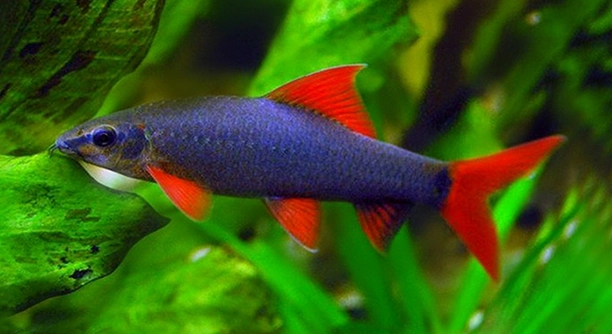
Rainbow sharks are popular aquarium fish known for their vibrant colors and active behavior. However, they can sometimes show aggression, which can disrupt the tank environment. Managing this behavior is important for a peaceful aquarium experience.
Preventing aggression in rainbow sharks involves several strategies including providing adequate space, maintaining proper tank conditions, offering hiding spots, avoiding overcrowding, feeding a balanced diet, and minimizing stressors in the environment. These steps help reduce territorial disputes and promote calm behavior.
Understanding these approaches will help you maintain harmony in your aquarium and ensure your rainbow shark thrives alongside other fish.
Provide Adequate Space in the Tank
Rainbow sharks are territorial fish that need enough room to establish their own space. A crowded tank often leads to stress and aggression. Ideally, a tank size of at least 55 gallons is recommended for one rainbow shark. Larger tanks allow for clear territories and reduce conflicts between fish. Adding enough swimming space helps them feel less threatened and keeps their behavior calmer. When planning your aquarium, consider the adult size of the fish to ensure there is room to grow. Also, separating aggressive individuals into different tanks can be necessary in some cases. Proper tank size is a simple but essential factor in keeping your rainbow shark’s aggression under control.
Maintaining enough space helps reduce territorial disputes and improves the overall health of your fish.
Creating clear territories inside the tank by using decorations and plants can further support this. Natural barriers give your rainbow shark places to retreat and reduce confrontations. This setup mimics their natural habitat, encouraging more peaceful interactions. Make sure the decorations do not overcrowd the tank but rather provide functional spaces. Consistent tank maintenance and monitoring will help you notice early signs of stress or aggression, allowing timely adjustments.
Maintain Proper Water Conditions
Stable water conditions are critical for the health and temperament of rainbow sharks. They thrive in water with a temperature between 74 and 80 degrees Fahrenheit and a pH level around 6.5 to 7.5. Sudden changes in temperature or water chemistry cause stress, which can trigger aggression. Regular water testing and partial water changes help maintain these conditions consistently. Clean water reduces harmful bacteria and toxins, preventing irritability in your fish. Avoid overcrowding and keep the filtration system efficient to support a healthy environment. Monitoring water quality is a proactive step toward minimizing aggressive behavior and promoting a balanced ecosystem in your aquarium.
Rainbow sharks are sensitive to their environment. Sudden changes in water quality can increase aggression and cause health issues. Regular checks and maintaining stable conditions create a calm habitat. Consistent care supports the long-term well-being of your fish and keeps aggression to a minimum. Clean water and stable parameters are key to happy, peaceful rainbow sharks.
Add Plenty of Hiding Spots
Hiding spots reduce stress and aggression by giving rainbow sharks places to retreat. Use rocks, caves, and dense plants to create these safe zones. Avoid overcrowding the tank but provide enough coverage to break up sight lines between fish.
Hiding places help rainbow sharks feel secure and less likely to challenge tank mates. Without safe spots, they may become more territorial and aggressive. Using natural decorations such as driftwood or ceramic caves works well. Plants like Java fern and Anubias add cover and improve water quality. Arrange decorations to create several separate areas within the tank, giving your fish options to avoid conflict. Changing the layout occasionally can also reduce boredom and territorial fights by disrupting established boundaries.
Providing hiding spots not only reduces aggression but also mimics the fish’s natural environment. This encourages healthier, calmer behavior and can improve the overall balance in your aquarium.
Avoid Overcrowding the Tank
Overcrowding increases stress and triggers aggressive behavior in rainbow sharks. Too many fish in a small space lead to competition for resources and space, which heightens tension. Keeping the tank population at a manageable level is essential for harmony.
Each rainbow shark needs enough space to swim and claim territory without constant encounters. Overcrowding can cause injuries and weaken immune systems due to chronic stress. It also limits oxygen levels and degrades water quality faster. Besides rainbow sharks, carefully select compatible species that tolerate their territorial nature. Avoid placing multiple rainbow sharks together unless the tank is very large and offers ample hiding spots. Regularly monitor your tank’s population and make adjustments if aggression rises. This balance will promote peace and healthier fish.
Feed a Balanced Diet
Feeding your rainbow shark a balanced diet helps reduce aggression caused by hunger or competition. Offer a mix of high-quality flakes, pellets, and occasional live or frozen foods like bloodworms or brine shrimp.
Regular feeding schedules prevent food-related disputes. Consistent nutrition supports their health and keeps them calmer in the tank.
Minimize Stressors in the Environment
Stress triggers aggressive behavior in rainbow sharks. Avoid sudden loud noises, rapid lighting changes, and frequent tapping on the tank glass. Keep the aquarium in a quiet, stable location where the fish can feel safe and undisturbed. Stress reduction leads to a more peaceful tank environment.
Separate Aggressive Individuals
When aggression continues despite efforts, separating the most aggressive fish may be necessary. Use a divider or a separate tank to prevent injuries and reduce stress for all fish involved.
Taking action early prevents escalation and protects your aquarium’s balance.
FAQ
Why is my rainbow shark so aggressive all of a sudden?
Sudden aggression in rainbow sharks usually relates to changes in their environment. This can include shifts in water temperature, poor water quality, overcrowding, or the introduction of new tank mates. Stress from any of these factors may cause your fish to act more territorial or hostile. It’s important to check the water parameters and tank conditions regularly. Also, watch for any new fish that might be causing tension. Addressing these changes promptly often helps reduce aggressive behavior.
Can keeping more than one rainbow shark in the same tank cause problems?
Yes, rainbow sharks are territorial and often aggressive toward their own species. Keeping more than one in the same tank can lead to constant fighting, especially if the tank is too small. A larger tank with many hiding spots can reduce conflicts but is not a guaranteed solution. If aggression becomes severe, separating the fish may be necessary.
What tank size is best to prevent aggression in rainbow sharks?
A minimum tank size of 55 gallons is recommended for a single rainbow shark to allow enough swimming space and territory. Larger tanks help by reducing encounters and stress. When keeping multiple fish, increase the tank size accordingly. Providing sufficient space is a key factor in limiting aggressive behavior.
How often should I change the water to keep aggression down?
Regular partial water changes are essential. Changing 20-30% of the water weekly helps maintain water quality and reduce toxins that stress fish. Clean water supports healthy behavior and reduces aggression caused by poor conditions. Avoid drastic water changes, as sudden shifts can cause stress.
Are there fish that get along well with rainbow sharks?
Rainbow sharks do best with peaceful, fast-swimming fish that occupy different tank levels, such as tetras or danios. Avoid slow-moving or long-finned fish, as they may become targets. Compatibility depends on tank size and individual fish temperament, so careful selection is important.
What signs indicate that aggression is becoming a serious problem?
Frequent chasing, biting, torn fins, or injured fish are signs aggression is severe. If aggression causes stress or injury, it may lead to disease or death. Observing your fish daily helps catch problems early. Serious aggression often requires tank rearrangement or separating aggressive individuals.
Can diet influence aggressive behavior in rainbow sharks?
Yes, an inadequate or irregular diet can increase aggression. Hungry fish may compete aggressively for food. Feeding a balanced diet regularly helps keep them calm. Include a mix of flakes, pellets, and occasional live or frozen foods to meet nutritional needs.
Is it normal for rainbow sharks to be aggressive at night?
Rainbow sharks are generally more active at night and may show territorial behavior during this time. Providing enough hiding spots and space helps reduce conflicts. Nighttime aggression is often less intense but should be monitored to prevent injury.
Does lighting affect aggression in rainbow sharks?
Sudden changes or very bright lighting can stress rainbow sharks and trigger aggression. Using dimmable or adjustable lighting simulates natural conditions and helps keep fish calm. Gradual lighting changes during tank maintenance are recommended to avoid startling them.
How can I tell if my rainbow shark is stressed rather than just aggressive?
Signs of stress include hiding more than usual, loss of appetite, rapid breathing, and faded colors. Aggression involves chasing or biting behavior. Stress often precedes aggression, so addressing stress factors early can prevent fights. Proper tank setup and maintenance reduce both stress and aggression.
Rainbow sharks are beautiful and active fish that can bring life to any aquarium. However, their natural territorial behavior sometimes leads to aggression. Managing this aggression is essential for a peaceful and healthy tank environment. By providing adequate space, maintaining good water quality, and creating hiding spots, you can help reduce their aggressive tendencies. These basic steps allow your rainbow shark to feel secure and less threatened by other fish, which in turn encourages calmer behavior.
Feeding a balanced diet and avoiding overcrowding are equally important. When fish are well-fed and have enough room to swim and establish territory, they are less likely to compete aggressively. Minimizing stressors such as sudden noises, lighting changes, or frequent disturbances can also keep your rainbow shark calm. Stress often worsens aggressive behavior, so a quiet and stable environment supports your fish’s well-being. If aggression persists despite these efforts, separating aggressive individuals may be necessary to protect the entire tank’s harmony.
Taking the time to understand and meet the needs of your rainbow shark will improve the overall aquarium experience. Regular monitoring and maintenance help prevent problems before they start. A well-cared-for rainbow shark will display less aggression and live a longer, healthier life. Implementing these practices benefits not only your rainbow shark but also the other fish in your aquarium, creating a balanced and peaceful aquatic environment.

Hello,
If you enjoy the content that we create, please consider saying a "Thank You!" by leaving a tip.
Every little bit helps us continue crafting quality advice that supports the health, happiness, and well-being of pets around the world, for pets of all shapes, sizes, and species.
We really appreciate the kindness and support that you show us!