
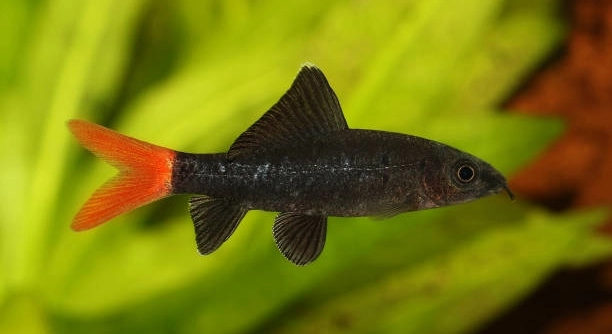
Rainbow sharks are popular aquarium fish known for their vibrant colors and active nature. Keeping them healthy requires understanding their basic needs, such as water quality, diet, and tank environment. Proper care helps maintain their bright appearance and lively behavior.
Maintaining a healthy rainbow shark involves providing a well-balanced diet, clean and adequately sized tank, stable water parameters, and suitable tank mates. Regular monitoring and preventive care are essential to avoid common diseases and stress-related issues.
Following these simple but important tips can help you create the best environment for your rainbow shark’s well-being and longevity.
Providing Proper Tank Size and Setup
Rainbow sharks need enough space to swim comfortably. A tank of at least 30 gallons is recommended for one adult. The tank should have hiding spots like caves or plants where the fish can feel secure. Avoid overcrowding, as these fish can become territorial and stressed. Proper filtration is essential to keep the water clean and oxygenated, which supports their health. The tank substrate should be smooth, like sand or fine gravel, to protect their sensitive undersides. Maintaining a consistent water temperature between 74°F and 80°F also supports their activity and well-being. Lighting should be moderate, not too bright, to mimic their natural environment and reduce stress. Regular cleaning and partial water changes, about 20% weekly, help keep the environment stable and free from harmful toxins.
A suitable tank setup prevents stress and aggression while promoting healthy behavior and growth in rainbow sharks.
Creating the right environment helps your rainbow shark thrive by supporting natural activity and reducing health risks. This setup also makes tank maintenance easier and more effective.
Feeding a Balanced Diet
Feeding your rainbow shark a balanced diet ensures they get all necessary nutrients. High-quality pellets or flakes formulated for omnivores make a good base. Supplement their diet with live or frozen foods like bloodworms, brine shrimp, or daphnia to provide variety and extra protein. Avoid overfeeding, which can pollute the tank and cause obesity. Feeding small amounts once or twice daily is ideal. Observing their eating habits can help detect health problems early. Uneaten food should be removed promptly to keep the water clean. Vegetables like blanched zucchini or spinach can be offered occasionally for fiber and vitamins. A varied diet promotes vibrant color, energy, and longevity. Remember that diet directly influences the fish’s immune system and resistance to disease.
Consistent feeding practices and nutritional balance are essential for maintaining your rainbow shark’s overall health and vitality. Regular attention to diet helps avoid common nutritional deficiencies and keeps the fish active.
Monitoring Water Quality Regularly
Testing the water frequently is crucial to keep your rainbow shark healthy. Key factors to check include ammonia, nitrite, nitrate levels, pH, and temperature.
Maintaining stable water parameters prevents stress and disease. Ammonia and nitrite should always be zero, while nitrate must stay below 20 ppm. The pH level should range between 6.5 and 7.5. Fluctuations in temperature or pH can weaken your fish’s immune system, making them more vulnerable to illness. Using a reliable test kit and keeping records of your readings will help you spot issues early and take action before problems escalate. Regular partial water changes also support water quality by removing toxins and replenishing minerals.
Observing your rainbow shark’s behavior can also signal water quality problems. Signs like gasping, lethargy, or hiding may indicate poor conditions. Acting quickly ensures better outcomes and long-term health.
Choosing Compatible Tank Mates
Rainbow sharks can be territorial, so tank mate selection is important. Avoid aggressive or very small fish that may get bullied or eaten.
Ideal companions are peaceful mid-sized fish that occupy different tank levels. Species such as danios, barbs, or larger tetras usually coexist well. Avoid fish that are slow swimmers or shy, as rainbow sharks might stress them. Always monitor interactions when introducing new fish to prevent conflicts. Overcrowding increases territorial behavior, so keep the tank spacious enough for everyone. Providing hiding spots reduces aggression and helps maintain peace. Remember that each fish has its own personality, so careful observation is necessary after adding new tank mates. A well-planned community tank supports the health and happiness of all its residents.
Avoiding Stress Triggers
Stress weakens your rainbow shark’s immune system. Common causes include sudden changes in water conditions, aggressive tank mates, and overcrowding.
Keeping a stable environment and monitoring fish behavior regularly reduces stress. Calm surroundings encourage healthy growth and activity.
Regular Health Checks
Look for signs of illness such as spots, discoloration, or unusual swimming patterns. Early detection allows for quicker treatment and better recovery chances.
Checking your fish’s fins, eyes, and body daily helps catch problems before they worsen.
Keeping the Tank Clean
Regular cleaning prevents harmful buildup of waste and toxins. Removing debris and performing partial water changes keeps the environment safe for your fish.
Providing Hiding Spots
Hiding places like caves or plants reduce stress and offer security. This helps your rainbow shark feel safe and less territorial in the tank.
FAQ
How often should I feed my rainbow shark?
Feeding your rainbow shark once or twice a day is enough. Give them small amounts that they can finish within a few minutes. Overfeeding can lead to poor water quality and health issues. Make sure to remove any uneaten food to keep the tank clean.
What is the ideal tank size for a rainbow shark?
A minimum of 30 gallons is recommended for one adult rainbow shark. They need space to swim and establish territory. A larger tank helps reduce stress and aggression, especially if you keep other fish with them.
Can rainbow sharks live with other fish?
Yes, but tank mates should be peaceful and occupy different areas of the tank. Avoid small or very slow fish, as rainbow sharks can be territorial. Good companions include danios, barbs, and larger tetras. Always monitor interactions closely.
What water parameters should I maintain?
Keep ammonia and nitrite at zero, with nitrate below 20 ppm. The pH should be between 6.5 and 7.5. Temperature needs to stay stable between 74°F and 80°F. Regular testing and water changes help maintain these conditions.
How do I know if my rainbow shark is stressed?
Signs of stress include hiding, loss of appetite, gasping at the surface, or erratic swimming. Stress can be caused by poor water quality, aggressive tank mates, or sudden changes. Identifying and fixing the cause quickly helps your fish recover.
What is the best diet for rainbow sharks?
A balanced diet includes high-quality pellets or flakes for omnivores, supplemented with live or frozen foods like bloodworms and brine shrimp. Occasional vegetables such as blanched zucchini can provide fiber. Variety helps keep your fish healthy and colorful.
How often should I clean the tank?
Perform partial water changes of about 20% weekly to remove waste and toxins. Clean the substrate and decorations regularly, but avoid disturbing beneficial bacteria too much. A clean tank reduces disease risk and promotes a healthy environment.
Why is my rainbow shark hiding all the time?
Hiding can be normal if the tank lacks enough cover or if the fish feels threatened. Make sure there are plenty of caves, plants, or decorations for them to retreat to. If hiding is constant and combined with other signs like loss of appetite, check water quality and tank mates.
Can rainbow sharks tolerate changes in temperature?
Rainbow sharks prefer stable temperatures. Sudden shifts can cause stress and weaken their immune system. Use a reliable heater and thermometer to maintain a steady range between 74°F and 80°F.
What diseases are common in rainbow sharks?
Common issues include ich (white spots), fin rot, and bacterial infections. These are often caused by poor water quality or stress. Maintaining clean water and good nutrition helps prevent these diseases. Early treatment is important for recovery.
Is it necessary to use a filter?
Yes, a good filtration system is essential. It keeps the water clean and oxygenated, removing harmful toxins and waste. Choose a filter suitable for your tank size and maintain it regularly to ensure it works efficiently.
How can I reduce aggression in my rainbow shark?
Provide enough space and hiding spots to reduce territorial disputes. Avoid overcrowding and choose compatible tank mates. Regular observation can help you spot early signs of aggression so you can take action.
Can rainbow sharks live in community tanks?
They can, with proper tank size and peaceful fish species. Avoid keeping them with very small or slow fish, as this can cause stress or injury. A well-planned community setup ensures all fish thrive.
How long do rainbow sharks typically live?
With proper care, rainbow sharks can live 5 to 8 years. Good water quality, a balanced diet, and a stress-free environment contribute to their longevity.
What should I do if my rainbow shark stops eating?
Loss of appetite may indicate stress, illness, or poor water conditions. Test the water, observe for other symptoms, and check tank mates for aggression. If the problem persists, consult a vet or experienced aquarist for advice.
Proper care for a rainbow shark involves attention to several key factors. Maintaining clean water with stable conditions is essential. Regular testing of ammonia, nitrite, nitrate, and pH levels helps prevent stress and disease. It is important to keep the tank size appropriate, allowing the fish enough room to swim and establish territory. A tank of at least 30 gallons is recommended for one adult. Setting up hiding spots like caves and plants provides security and reduces territorial aggression. Good filtration and regular partial water changes support a healthy environment by removing waste and toxins.
Feeding a balanced diet also plays a crucial role in keeping a rainbow shark healthy. Offering high-quality pellets or flakes designed for omnivores forms a solid dietary base. Supplementing with live or frozen foods such as bloodworms and brine shrimp adds essential protein and variety. Occasional vegetables like blanched zucchini can supply extra fiber and nutrients. It is important to avoid overfeeding, which can lead to water pollution and health problems. Feeding small amounts once or twice daily is ideal, with uneaten food promptly removed from the tank.
Choosing compatible tank mates is another important consideration. Rainbow sharks can be territorial and may stress or harm smaller or slow-moving fish. Peaceful, mid-sized species that swim in different tank areas tend to coexist well. Providing ample space and hiding spots helps reduce aggression between fish. Monitoring behavior after introducing new tank mates is necessary to ensure harmony. Consistent care, clean water, a proper diet, and a suitable community tank will promote the health and longevity of your rainbow shark. Following these guidelines creates a balanced and stable environment where your fish can thrive.

Hello,
If you enjoy the content that we create, please consider saying a "Thank You!" by leaving a tip.
Every little bit helps us continue crafting quality advice that supports the health, happiness, and well-being of pets around the world, for pets of all shapes, sizes, and species.
We really appreciate the kindness and support that you show us!