
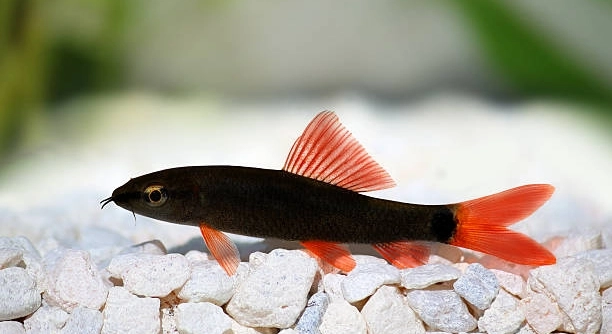
Have you ever found yourself watching your rainbow shark swim and wondering if it actually enjoys your presence in the tank? These sleek, colorful fish can seem distant, but there may be more going on than you think.
Rainbow sharks show affection through subtle behaviors such as following tank mates, resting nearby, and reducing aggression. While they are naturally territorial, a calm demeanor and consistent interaction can be signs of growing trust and comfort.
Learning to spot these signs can help you better connect with your rainbow shark and create a healthier, more balanced aquarium environment.
Understanding Your Rainbow Shark’s Behavior
Rainbow sharks are semi-aggressive fish, often misunderstood because of their bold movements and solitary habits. They aren’t naturally social like guppies or tetras, so their way of showing comfort and familiarity is different. If your rainbow shark glides calmly through the tank without chasing others or flaring its fins, that’s a good sign. When it lingers near certain tank mates or rests in the same area often, it may be showing a form of acceptance. These behaviors reflect that your rainbow shark feels secure in its environment. They also tend to be more visible and less shy when they recognize familiar patterns. Owners who keep a consistent routine often notice their shark becomes more predictable, swimming near the glass or approaching during feeding time. These signs don’t scream affection in the way a dog wags its tail, but in the fish tank, they’re meaningful.
When rainbow sharks feel safe, they begin to trust their surroundings and show less territorial behavior.
It’s important to observe small details like reduced chasing or a relaxed posture. If your shark seems more tolerant and curious, it’s likely growing more comfortable with its tank mates and with you. These moments, although subtle, are worth noticing.
Signs Your Rainbow Shark Feels Comfortable
Look for calm swimming and less aggressive behavior. These signs often mean your rainbow shark is content and feeling secure in its environment.
A rainbow shark that feels at ease in its tank will behave differently from one that’s stressed. Instead of hiding or acting aggressively, it will swim with steady movements, avoid chasing others unnecessarily, and may hover near specific spots. You might also see it exploring more often or positioning itself in open areas of the tank. If it shares space with other fish without flaring its fins or acting territorial, that’s another sign it feels comfortable. Owners may notice their shark coming forward during feeding time, especially if it’s familiar with the routine. This behavior isn’t about affection in the human sense, but it does show trust. Over time, the shark may also reduce its hiding and show interest when you’re near the tank. All these behaviors reflect a fish that feels settled, which is about as close to affection as a rainbow shark gets.
How Environment Impacts Affection
A calm, stable tank encourages better behavior in rainbow sharks. They respond to consistent lighting, clean water, and proper tank mates. When these needs are met, they’re less likely to act aggressively and more likely to feel secure.
Rainbow sharks need enough space to feel comfortable. A tank that’s too small can lead to stress, which may show as constant chasing or hiding. At least 50 gallons is recommended. Hiding spots and decorations help them establish a sense of territory without needing to dominate others. A peaceful tank environment, without sudden changes, allows your shark to act more relaxed. When stress levels drop, they become calmer and more predictable. You’ll likely notice less darting or flaring, and more peaceful cruising through the water. These changes are signs that your shark feels secure, and a secure shark is one that may begin showing trust.
Poor water quality and unstable conditions can undo progress. Ammonia spikes, overcrowding, or frequent tank rearrangement can trigger aggression or hiding. Rainbow sharks prefer consistency. Regular water changes, proper filtration, and steady temperature help create that balance. When their basic needs are consistently met, they’re more likely to settle into a routine. This comfort encourages behaviors like resting out in the open or swimming near tank mates without conflict.
Feeding Habits and Bonding
Feeding time is often when rainbow sharks show the most interaction. A shark that comes out regularly during feeding and swims near you likely recognizes your routine.
They may not eat from your hand, but many rainbow sharks learn when it’s time for food and who provides it. Feeding at the same time daily helps create a habit. You might notice your shark swimming toward the surface or lingering near the spot where food is usually dropped. This behavior shows recognition, which is a quiet form of bonding. Try not to overfeed or change brands too often—consistency matters. Some owners find that their shark starts swimming toward them outside feeding time, showing some form of awareness or familiarity.
Over time, your shark may begin to associate your presence with positive things like food and stability. This doesn’t mean it will seek out touch or social interaction, but it does reflect a level of trust. Skipping feedings or changing feeding styles frequently can disrupt this connection. Stick to a routine, offer a balanced diet with a mix of high-quality pellets and occasional protein treats, and observe how your shark responds. A calm, consistent approach to feeding supports bonding and helps build a peaceful tank environment.
Subtle Signs You Might Miss
Rainbow sharks often show comfort by swimming slowly near familiar fish without chasing them. This can be easy to miss if you’re not watching closely, but it’s a positive sign of tolerance.
Another small sign is when they rest outside their hiding spots more often. This shift means they feel secure enough to stay visible.
When to Be Concerned
If your rainbow shark suddenly starts hiding more, flaring its fins frequently, or chasing other fish nonstop, it may be feeling stressed. These shifts often point to environmental changes, like poor water quality, new tank mates, or overcrowding. Watch for signs like loss of appetite, faded color, or erratic swimming. These can signal discomfort or illness. Sudden changes in behavior should always be taken seriously. It helps to test your water regularly and avoid moving things around too often. A stressed shark will not show signs of trust or comfort, so addressing problems early supports both health and behavior.
Final Thoughts on Affection
Affection in rainbow sharks looks different from mammals. It’s quiet, subtle, and shown through routine, calm behavior, and comfort with their surroundings.
FAQ
Do rainbow sharks recognize their owners?
Rainbow sharks do not recognize their owners in the same way dogs or cats might. However, they can learn to associate your presence with food and routine. If you feed them consistently at the same time and move slowly around the tank, they may begin to swim toward you. This doesn’t mean they form emotional bonds, but they can become familiar with your presence. Over time, they may stop hiding when you’re near and seem more curious or active around feeding time. This is the closest sign of recognition you’ll likely see from them.
Can rainbow sharks be affectionate with other fish?
Rainbow sharks are territorial by nature, so they aren’t typically affectionate with other fish. However, in a calm, well-spaced tank with compatible species, they may become tolerant. If your rainbow shark swims near others without chasing or flaring its fins, that’s a sign of comfort. They won’t cuddle or swim in pairs like some fish, but they may allow others to share space. This quiet acceptance is as close to affection as they’re likely to show toward tank mates.
Why does my rainbow shark chase other fish?
Chasing is usually a sign of territorial behavior or stress. If your rainbow shark feels its space is being invaded or the tank is too small, it may act out. In some cases, new fish or sudden changes in the tank setup can also trigger this. To reduce chasing, make sure the tank is at least 50 gallons, has hiding spots, and includes calm, fast-swimming fish that won’t provoke it. A peaceful tank setup usually leads to better behavior over time.
Is it normal for rainbow sharks to hide a lot?
Yes, especially when they’re new to a tank or feeling unsure. Hiding is a natural response to unfamiliar surroundings or stress. If your shark hides most of the day and only comes out to eat, it’s still adjusting. However, if it used to be more active and suddenly becomes shy, check the water quality and tank conditions. A happy, confident rainbow shark will still use hiding spots but also explore the tank regularly.
What are signs that my rainbow shark is stressed?
Common signs include constant hiding, loss of appetite, faded colors, rapid gill movement, and aggressive behavior. Erratic swimming or bumping into objects may also indicate something is wrong. Stress is often caused by poor water conditions, incompatible tank mates, or not enough space. Test your water, check the tank size, and watch for bullying. Even though rainbow sharks are territorial, too much aggression—either from them or directed at them—can cause long-term stress.
Can I train my rainbow shark to be less aggressive?
You can’t train them like a dog, but you can shape their behavior by changing the environment. Giving them enough space, adding plants or decorations to create territories, and keeping tank mates minimal and calm can help. Feeding at regular times and avoiding sudden changes also encourages better behavior. With consistency, your rainbow shark may act less defensive and more relaxed over time.
Do rainbow sharks ever get lonely?
No, they are solitary fish by nature. Keeping multiple rainbow sharks often leads to fighting, unless you have a very large tank and plenty of hiding areas. They don’t seek companionship and usually prefer having their own space. If your shark seems inactive or bored, it’s likely due to stress or tank conditions—not loneliness. Improving the environment is a better solution than adding another fish.
How can I tell if my rainbow shark is healthy?
A healthy rainbow shark will have vibrant coloring, steady swimming, and a good appetite. It should be active but not aggressive all the time. Occasional rest in hiding spots is normal. If it eats well, interacts calmly with tank mates, and shows no signs of illness (like spots, bloating, or frayed fins), it’s likely in good condition. Regular water changes, clean filters, and stable temperature go a long way in keeping them healthy.
Can rainbow sharks be kept in a community tank?
Yes, but with careful planning. Choose tank mates that are quick, calm, and not bottom dwellers. Avoid other territorial fish or slow swimmers. Give your rainbow shark plenty of room to claim its own area. Monitor how it interacts with others and be ready to adjust the tank setup if needed. A community tank can work well if the environment is stable and spacious.
Final Thoughts
Rainbow sharks may not show affection in ways people expect, but that doesn’t mean they don’t react to comfort and routine. Their behaviors are quiet and subtle. Swimming calmly near other fish, resting outside of hiding spots, and following you during feeding time are all small signs that your shark feels secure. While they are naturally territorial and prefer to be alone, they can still build a sense of familiarity with their environment and the person who cares for them. These changes happen slowly, so it’s important to be patient and consistent.
A peaceful tank setup is key to helping your rainbow shark feel safe. This includes enough space, proper filtration, clean water, and calm tank mates. A tank that is too small or constantly changing can cause stress, which affects their behavior. When their needs are met, they are less likely to chase other fish or hide all day. Instead, they become more relaxed and show interest in their surroundings. This steady behavior isn’t exactly affection, but it shows that your shark is comfortable and feels secure in its space.
Building trust with a rainbow shark takes time. They won’t respond to touch or seek attention, but they will learn your routine and respond to it. Watching them grow more relaxed and confident in the tank is rewarding. It means you’ve created a space where they feel safe. Even though they are not social fish, these small signs of comfort are meaningful. Paying attention to how they act day to day can help you notice when something’s off or when things are going well. In the end, giving your rainbow shark a calm and steady environment is the best way to support healthy behavior and trust.

Hello,
If you enjoy the content that we create, please consider saying a "Thank You!" by leaving a tip.
Every little bit helps us continue crafting quality advice that supports the health, happiness, and well-being of pets around the world, for pets of all shapes, sizes, and species.
We really appreciate the kindness and support that you show us!