
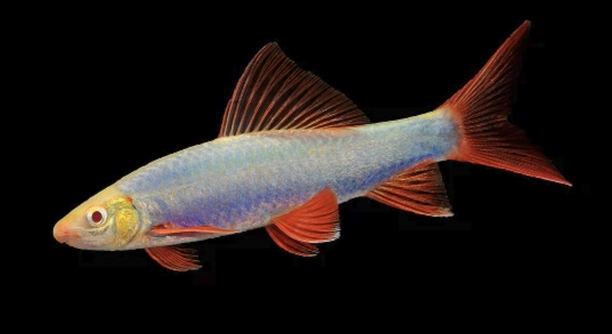
Do you ever find yourself bonding with your pet fish and wondering if they feel the same way about you? Rainbow sharks are fascinating and colorful, often becoming a unique part of your aquarium experience.
Rainbow sharks do not have the memory or emotional capacity to recognize individual humans. While they may associate your presence with feeding, this behavior is instinctual and not a sign of personal recognition.
Learning how rainbow sharks interact with their environment helps you better understand their behavior and overall care needs.
How Rainbow Sharks React to Their Environment
Rainbow sharks are territorial and prefer a stable, quiet environment. They rely on routine and consistent surroundings to feel secure. While they may swim to the front of the tank when you approach, this is often a sign of expecting food rather than emotional recognition. Their brains are not developed enough to form strong social bonds with humans. Most of their behavior is driven by instinct, such as defending their space or searching for food. Although some fish show signs of learning, like recognizing feeding times, this is not the same as remembering specific people. If your rainbow shark reacts when you walk by, it’s likely because they associate movement near the tank with being fed.
Rainbow sharks thrive best when their tanks are kept clean, their space is respected, and other fish are not crowding them. These conditions help reduce stress and support their overall well-being.
Understanding how your rainbow shark responds to changes can help you recognize stress or discomfort early. A calm, healthy fish will swim with confidence and show interest in its environment. Aggression, hiding, or sudden changes in behavior may point to tank problems or health concerns. Observing your fish regularly is a good habit to keep.
What Your Rainbow Shark Might Remember
Rainbow sharks can remember routines like feeding times and recognize repetitive patterns. However, they do not form emotional memories or recall specific people in the way mammals might.
Their memory is short-term but useful for survival. For example, they can remember where food is usually placed or which tank areas are safe. This kind of memory allows them to navigate their environment more easily. When you feed your fish at the same time daily, they may swim to the front of the tank in anticipation. This does not mean they remember you as a person, but rather that they remember the activity. Repetition builds familiarity, but it’s tied to action—not emotion. Rainbow sharks use these learned patterns to adapt and feel more at ease in their surroundings. While it may feel like they’re greeting you, it’s more about recognizing routines than building a personal connection. Still, creating a stable, quiet, and clean tank will support their mental and physical health.
How to Build Trust Through Routine
Rainbow sharks respond well to consistency. Feeding them at the same time each day and maintaining the tank regularly helps them feel secure. Avoid tapping on the glass or making sudden changes in their environment, as this can cause unnecessary stress.
They may not remember you personally, but they do remember actions. If you create a calm space and keep your interactions predictable, your rainbow shark may become more active and visible during feeding or cleaning times. Their comfort comes from recognizing patterns, not from forming a bond. When they know what to expect, they are more likely to swim freely and explore their tank. Keeping lights on a regular schedule, avoiding overcrowding, and giving them hiding spaces also helps. These steps won’t make them “love” you, but they do support healthier behavior and lower stress, making the care experience more enjoyable for both of you.
Over time, you might notice your rainbow shark hovering in one spot when it senses movement nearby. This is likely tied to learned feeding routines rather than recognition. Keeping your actions and timing the same can reinforce this behavior. The more they understand the routine, the more at ease they’ll feel. While you won’t build a personal relationship, you can still enjoy their active behavior and striking appearance. Watching them swim comfortably is often a sign that you’ve created a balanced space they feel safe in. Keeping their water conditions stable, offering enough space, and limiting tank mates will keep them from feeling threatened or overwhelmed.
Why Your Shark’s Behavior May Change
Shifts in your rainbow shark’s behavior often happen because of stress, illness, or changes in their surroundings. These fish are very sensitive to poor water quality, overcrowding, or loud noises near their tank.
If your rainbow shark starts hiding more, becoming aggressive, or acting sluggish, it’s a sign something might be wrong. First, check the water parameters—high ammonia, low oxygen, or incorrect temperatures can cause discomfort. Make sure their tank is not overstocked and that other fish aren’t picking on them. Stressful environments can lead to behavioral shifts, sometimes even making normally active sharks go into hiding. It’s important to create a calm, steady space with good filtration, regular water changes, and no sudden changes in decor or lighting. If health seems to be the issue, look out for signs like fin damage, color fading, or poor appetite, and consider consulting a vet who specializes in aquatic animals.
Signs Your Rainbow Shark Is Comfortable
A relaxed rainbow shark will swim smoothly around the tank, explore its space, and stay visible during the day. It won’t spend much time hiding or showing signs of aggression unless provoked by other fish or sudden changes.
Healthy appetite and steady energy levels also show comfort. When your rainbow shark eats regularly and swims confidently, it’s usually a good sign the tank environment feels safe. Flicking, rubbing against objects, or rapid breathing could mean something is off.
What to Avoid When Interacting With Them
Avoid tapping on the tank, making loud noises, or moving objects around too often. These actions can stress your rainbow shark and cause it to hide or become aggressive. Sudden changes in lighting or temperature also disrupt their sense of safety. Limit interaction to feeding times and routine maintenance to avoid overstimulation. If you need to clean or adjust decorations, do it gently and gradually. Avoid overcrowding the tank or pairing them with other territorial fish, as this often leads to stress. Keeping their space calm and predictable is key to keeping your rainbow shark healthy and active.
When to Seek Help
If your rainbow shark stops eating, hides constantly, breathes rapidly, or changes color, it may need medical attention. These symptoms usually point to water issues, stress, or illness that shouldn’t be ignored.
How long can a rainbow shark remember feeding routines?
Rainbow sharks have a limited memory span that mainly focuses on short-term routines. They can remember feeding times for several days or even weeks if the schedule remains consistent. This helps them anticipate food and react to your presence near the tank, but their memory does not extend to recognizing specific individuals.
Can rainbow sharks recognize their owners?
Rainbow sharks do not have the ability to recognize owners as people. Their reactions to humans are mostly linked to conditioned behaviors, such as associating movement near the tank with feeding time. While it may seem like they “know” you, their responses are instinctive and based on patterns rather than true recognition.
Why does my rainbow shark swim to the front when I approach?
Swimming to the front of the tank is a learned response to signals like your approach or feeding time. The fish associate your movement with the possibility of food. This behavior reflects anticipation rather than a personal bond or memory of you specifically.
Do rainbow sharks get attached to their tanks or owners?
Rainbow sharks do get attached to their environment because they rely on familiar spaces to feel secure. However, this attachment is to the tank’s conditions and layout rather than to any person. Changes in the tank can stress them, while a stable environment encourages calm behavior.
How can I help my rainbow shark feel more comfortable with me?
Create a predictable routine around feeding and tank maintenance. Avoid sudden movements or loud noises near the tank. Keep a consistent light schedule and maintain water quality. Over time, your rainbow shark will become more comfortable with your presence due to familiarity with these repeated actions.
Is it normal for rainbow sharks to hide most of the time?
It is normal for rainbow sharks to hide occasionally, especially during daylight or if the tank environment feels unsafe. Excessive hiding can indicate stress, illness, or poor tank conditions. Check water parameters, tank mates, and decor to ensure they have enough space and hiding spots.
What signs show that my rainbow shark is stressed?
Stress signs include erratic swimming, loss of appetite, faded colors, fin clamping, and hiding excessively. Stress often comes from poor water quality, aggressive tank mates, or sudden environmental changes. Identifying and correcting these issues helps improve their health and behavior.
Can rainbow sharks learn to recognize feeding times without human presence?
Yes, rainbow sharks can learn feeding schedules based on environmental cues like light changes or sound of food being prepared. Their memory helps them anticipate meals even if you’re not present, showing their ability to adapt to routines.
How important is tank setup for rainbow shark behavior?
Tank setup is very important. Rainbow sharks need plenty of space, hiding spots, and calm tank mates to reduce stress. Overcrowding or poor decor can lead to aggression and hiding. A well-maintained tank supports healthier, more active fish.
What should I do if my rainbow shark stops eating?
If your rainbow shark stops eating, check water quality and tank conditions immediately. Poor water or illness often causes appetite loss. Observe for physical signs of disease like discoloration or damaged fins. If problems persist, consult a vet specializing in fish for proper diagnosis and treatment.
Can my rainbow shark remember changes in the tank environment?
Rainbow sharks notice changes and may react by hiding or showing stress. They do not remember specific changes long term but respond to disruptions in their routine and space. Gradual changes help them adapt better than sudden ones.
Do rainbow sharks interact with other fish in the tank?
Rainbow sharks are territorial and may show aggression toward certain tank mates, especially other bottom dwellers. Proper tank size and compatible species reduce conflict. Providing hiding places allows peaceful coexistence, minimizing stress for all fish.
How can I tell if my rainbow shark is healthy?
Healthy rainbow sharks are active, have bright colors, and show steady swimming patterns. They eat regularly and explore their tank. Lack of stress signs like fin clamping or hiding also points to good health. Regular tank maintenance supports their well-being.
Can rainbow sharks remember stressful experiences?
Rainbow sharks do not form long-term memories of stressful events like mammals do. However, repeated negative stimuli can cause lasting behavioral changes, such as increased hiding or aggression. Minimizing stressors is essential for their mental and physical health.
Rainbow sharks are fascinating fish that bring color and movement to any aquarium. While they do not have the ability to remember individual people or form emotional bonds, they can learn routines and recognize patterns in their environment. This means they may react to feeding times or familiar movements near their tank. Understanding this can help set realistic expectations about your interactions with them. It is important to remember that their behavior is mainly driven by instinct and survival, rather than affection or recognition. Knowing this helps you focus on providing the best care rather than looking for signs of personal connection.
Creating a stable and calm environment is the best way to support your rainbow shark’s health and well-being. Regular feeding schedules, clean water, and a well-maintained tank reduce stress and encourage natural behavior. Avoiding sudden changes in lighting, temperature, or tank decorations also helps them feel secure. Since these fish are territorial, it’s important to provide enough space and hiding spots to prevent aggression or anxiety. Watching your rainbow shark swim actively and explore its environment is a good sign that it feels comfortable. Keeping these conditions steady improves not only their physical health but also their overall activity and happiness.
Even though rainbow sharks do not remember you as a person, the care and effort you put into their environment make a difference in how they behave and thrive. Recognizing that their responses are linked to routine rather than personal recognition helps keep expectations clear. When you focus on providing proper tank conditions and consistent care, you create a better life for your fish. This approach benefits both you and your rainbow shark, making your aquarium experience enjoyable and rewarding. Caring for them with patience and attention to detail ensures they remain healthy and active for years to come.

Hello,
If you enjoy the content that we create, please consider saying a "Thank You!" by leaving a tip.
Every little bit helps us continue crafting quality advice that supports the health, happiness, and well-being of pets around the world, for pets of all shapes, sizes, and species.
We really appreciate the kindness and support that you show us!