
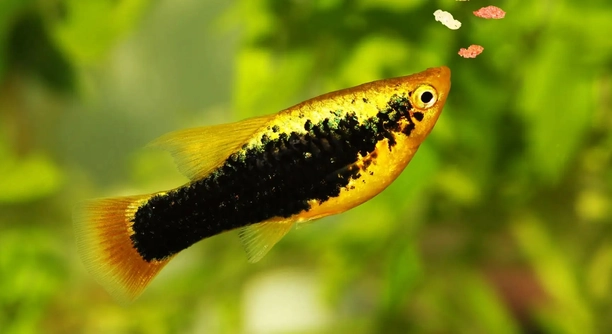
Setting up a platy tank can be rewarding, but certain mistakes can affect the fish’s health and your tank’s balance. Careful planning helps avoid common problems and keeps the environment safe and comfortable for your platys.
Avoid overstocking the tank, as platys need enough space to swim freely and maintain water quality. Do not neglect water parameters, which must stay stable to prevent stress and disease. Avoid incompatible tank mates that may cause aggression or harm to platys.
Knowing these key points will improve your success with platys. Proper care leads to a healthy, thriving tank that brings lasting enjoyment.
Avoid Overstocking Your Platy Tank
Overstocking is a common mistake when setting up a platy tank. Platys are active swimmers and need enough space to move comfortably. Crowding too many fish into a small tank raises stress levels and quickly degrades water quality. Waste builds up faster, leading to harmful ammonia and nitrite spikes. This can cause illness or even death among your fish. Ideally, plan for at least 1 gallon of water per inch of fish. A 20-gallon tank can comfortably house about 10 platys. Adding live plants and hiding spots helps reduce aggression, but it can’t make up for limited swimming space. Regular water changes and good filtration are also essential when fish density increases. Ensuring your tank is not overcrowded sets a strong foundation for healthy, happy platys.
Crowded tanks make it difficult to maintain water quality and can lead to stressed fish with weaker immune systems.
Giving your platys enough room supports their natural behavior and keeps the tank environment balanced. A well-spaced tank allows each fish to swim freely and reduces competition for food. Overcrowding often leads to fin nipping and other aggressive behaviors because platys feel threatened or confined. When space is limited, oxygen levels can drop, causing breathing difficulties. You can prevent many health issues simply by choosing an appropriately sized tank and limiting the number of inhabitants. Remember, it is better to start small and add fish gradually rather than rush to fill the tank. Keeping the environment stable and clean reduces the need for extra medication and stress-related care. Ultimately, a properly stocked tank ensures your platys live longer and look their best.
Maintain Stable Water Parameters
Water stability is critical for platys, as sudden changes can cause stress and illness.
Maintaining proper temperature, pH, and hardness helps keep platys healthy. Ideal temperature ranges between 70°F and 78°F. The pH should be neutral to slightly alkaline, around 7.0 to 8.2. Platys prefer moderately hard water with a hardness of 10–28 dGH. Consistent water conditions prevent stress-induced diseases. Frequent testing with reliable kits is necessary, especially in new tanks. Avoid sudden changes from large water replacements or incorrect treatments. When adding new water, ensure it matches the tank’s temperature and chemistry as closely as possible. Proper filtration and regular partial water changes keep toxin levels low. These steps build a stable environment where platys thrive. Without careful monitoring, water fluctuations can cause lethargy, loss of appetite, and weakened immune defenses. Paying attention to water quality is one of the most effective ways to safeguard your fish’s health.
Avoid Incompatible Tank Mates
Not all fish get along with platys. Aggressive or overly territorial species can stress or injure them.
Choosing peaceful community fish is essential. Platys coexist well with tetras, mollies, and guppies. Avoid large, aggressive fish like cichlids or barbs that may nip fins or dominate. Even some bottom dwellers can cause trouble if they disrupt the tank environment. Introducing too many different species at once can overwhelm the system and increase disease risk. Careful selection based on temperament and size keeps the tank balanced.
Remember, platys are social but gentle fish. If tank mates cause constant stress, platys may hide or refuse to eat. Observing interactions early helps spot issues before they become serious. Compatible companions encourage natural behavior and a peaceful atmosphere.
Avoid Overfeeding
Overfeeding is a common problem that harms platys and pollutes the tank.
Feeding your platys more than they can consume in two minutes leads to leftover food decomposing in the water. This increases ammonia and nitrate levels, which are toxic. It also causes obesity and poor health in the fish. Feed small amounts once or twice daily, providing only what they eat quickly. A varied diet of flakes, frozen foods, and occasional live treats ensures balanced nutrition. Removing uneaten food promptly keeps the tank cleaner.
Proper feeding habits reduce water contamination and support your platys’ vitality. Keeping feeding controlled promotes good water quality and prevents frequent cleaning headaches.
Avoid Using Untreated Tap Water
Tap water often contains chlorine and chloramines that are harmful to platys. Always treat water before adding it to the tank.
Using a reliable water conditioner neutralizes these chemicals. Untreated water can damage fish gills and weaken their immune systems, leading to illness or death.
Avoid Neglecting Regular Tank Maintenance
Regular cleaning is vital to keep the tank healthy. Partial water changes, gravel vacuuming, and filter cleaning prevent toxic buildup and maintain water clarity.
Skipping maintenance allows waste and toxins to accumulate. This creates a stressful environment that can trigger disease and reduce your platys’ lifespan.
Avoid Using Sharp or Rough Decorations
Sharp decorations can injure platys as they swim or hide. Smooth surfaces and rounded edges are safer choices.
Selecting safe decorations reduces the risk of torn fins and infections. Natural elements like plants and driftwood also create a comfortable habitat.
Avoid Ignoring Signs of Illness
Early detection of illness improves treatment success. Watch for changes in behavior, appetite, or appearance.
Prompt action helps prevent disease spread and keeps your tank healthy.
FAQ
How often should I clean my platy tank?
Cleaning your platy tank regularly is important for maintaining water quality. Perform partial water changes of about 20-25% once every week or two. This removes waste and toxins that build up over time. Additionally, clean the gravel with a siphon during water changes to remove uneaten food and debris. Check and rinse the filter media monthly, but avoid replacing all of it at once to keep beneficial bacteria intact. Regular cleaning prevents spikes in ammonia and nitrites that can harm your fish.
What is the ideal temperature for platys?
Platys thrive in water temperatures between 70°F and 78°F (21°C to 26°C). Keeping the temperature stable within this range supports their immune system and natural behavior. Use an aquarium heater with a thermostat to maintain consistent warmth, especially in cooler environments. Sudden temperature changes can stress your fish, making them more susceptible to disease. Monitoring with a reliable aquarium thermometer is key.
Can platys live with other types of fish?
Yes, platys generally do well with peaceful, community fish. Suitable tank mates include guppies, mollies, tetras, and corydoras catfish. Avoid aggressive or larger species like cichlids, which may attack or stress platys. Also, avoid fin-nipping fish that can cause injury. Research each species’ temperament before mixing them. Ensuring compatible companions promotes a peaceful tank environment and healthier fish.
How often should I feed my platys?
Feed platys once or twice a day, providing only as much food as they can eat within two minutes. Overfeeding leads to leftover food, which pollutes the water and causes health problems for your fish. A varied diet of high-quality flakes, frozen or live foods keeps them healthy and colorful. Remove uneaten food promptly to maintain water quality.
What signs show that my platy might be sick?
Watch for signs like loss of appetite, lethargy, clamped fins, or unusual spots on the body. Rapid gill movement or difficulty swimming can also indicate illness. Early detection allows prompt treatment, improving chances of recovery. If you notice these symptoms, check water parameters first and isolate affected fish if necessary.
Is a filter necessary for a platy tank?
Yes, a filter is essential to maintain clean, oxygenated water. It removes waste and toxins, supporting a stable environment. Choose a filter that fits your tank size and provides gentle water flow, as platys prefer calmer waters. Regularly clean the filter to keep it effective but avoid replacing all filter media at once to preserve beneficial bacteria.
How big should my platy tank be?
A minimum of 10 gallons is recommended for a small group of platys, ideally 20 gallons or more for a larger community. Platys are active swimmers and need space to move freely. Adequate tank size helps maintain water quality and reduces stress and aggression. Avoid overcrowding by following stocking guidelines—generally, 1 gallon of water per inch of fish.
Can I keep platys without live plants?
While platys can survive without live plants, adding them improves water quality and provides hiding places. Plants absorb nitrates and create a natural habitat that reduces stress. If you don’t have live plants, consider artificial ones with smooth edges to avoid injury. Plants also encourage natural behavior and improve the tank’s overall look.
How do I cycle a new tank before adding platys?
Cycling establishes beneficial bacteria that break down toxic ammonia and nitrites. Begin by setting up the tank with water, substrate, and filter. Add an ammonia source, like fish food or pure ammonia, to feed bacteria. Test water regularly for ammonia, nitrites, and nitrates. Once ammonia and nitrites drop to zero and nitrates rise, the tank is cycled. This process can take 4-6 weeks. Adding platys before cycling is complete can cause health problems.
What should I do if my platys’ fins are torn?
Torn fins often result from fin-nipping tank mates or poor water conditions. Improve water quality with frequent changes and test parameters. Remove aggressive fish if possible. Treat torn fins with antibacterial medications to prevent infection. Adding aquarium salt in recommended doses may also promote healing. Providing hiding places helps reduce stress and aggression, supporting fin recovery.
Can I breed platys in a community tank?
Platys breed easily and may produce fry in community tanks. However, other fish might eat the babies. Providing dense plants or breeding traps increases fry survival. Separate breeding tanks give more control over the process. If breeding is not desired, keeping only one gender or closely monitoring the tank can reduce fry numbers.
How do I prevent algae growth in my tank?
Control algae by maintaining proper lighting, avoiding overfeeding, and keeping regular cleaning schedules. Excess nutrients from uneaten food and waste encourage algae blooms. Adding live plants competes with algae for nutrients. Introducing algae-eating species like snails or certain fish can help. Balance light duration to about 8-10 hours daily to reduce algae growth.
Is it necessary to quarantine new fish before adding them to the platy tank?
Yes, quarantining new fish for 2-4 weeks prevents introducing diseases to your main tank. Observe the new fish for signs of illness during this period. Quarantine tanks reduce stress and allow for treatment if needed. This step protects your existing platys and keeps the tank healthy.
How do I know if my water test kit is accurate?
Choose high-quality test kits from reputable brands. Follow instructions carefully for reliable results. Regularly calibrate and replace test kits as they can expire or lose accuracy. Cross-checking results with another kit or sending water samples to a lab can confirm accuracy. Accurate testing is critical for proper tank care.
What should I do if my platys stop eating?
Loss of appetite can signal stress, illness, or poor water quality. Test water parameters immediately and look for signs of disease. Ensure the food is fresh and appropriate. Try offering varied foods like frozen or live options. Isolate sick fish if needed and consider consulting a vet or aquarium specialist for persistent issues.
Final Thoughts
Setting up a platy tank can be a rewarding experience when done correctly. Avoiding common mistakes ensures your fish remain healthy and your tank stays balanced. Paying attention to key factors like tank size, water quality, and compatible tank mates helps create a stable environment where platys can thrive. Each step, from choosing decorations to feeding, affects the overall well-being of your fish. Being careful with these details reduces stress and prevents many problems before they start. This makes maintaining your tank easier and more enjoyable in the long run.
Regular care and observation are essential parts of keeping platys healthy. Simple routines like performing water changes, testing water parameters, and cleaning the tank keep the environment safe for your fish. Monitoring your platys for any signs of illness or unusual behavior allows for early intervention. This proactive approach helps you catch potential issues before they become serious. Keeping the tank stable also supports your fish’s immune system, which is vital for preventing disease. Consistency in maintenance and feeding habits leads to a happier, longer-lived community.
Being mindful of these common pitfalls when setting up and caring for a platy tank gives you the best chance of success. Avoid overcrowding and aggressive tank mates, and always treat tap water before use. Feed your platys appropriately to prevent pollution, and choose safe decorations to protect them from injury. With patience and attention, you will build an environment that supports the natural behavior and beauty of your platys. This careful approach ultimately leads to a vibrant, healthy aquarium you can appreciate for years.

Hello,
If you enjoy the content that we create, please consider saying a "Thank You!" by leaving a tip.
Every little bit helps us continue crafting quality advice that supports the health, happiness, and well-being of pets around the world, for pets of all shapes, sizes, and species.
We really appreciate the kindness and support that you show us!