
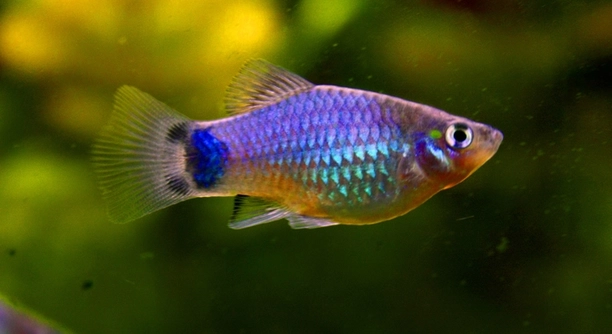
Have you ever noticed your platies acting a certain way at the same time each day and wondered if they’re responding to your routine?
Platies are capable of recognizing tank routines through associative learning. Regular patterns in feeding, lighting, and interaction help them anticipate events, leading to consistent behaviors. This adaptive response is common in many aquarium fish and supports healthy, predictable habits.
By looking at daily behavior changes, we can better understand how routine shapes their environment and supports their well-being in home aquariums.
How Platies Learn to Follow a Routine
Platies are quick to notice patterns in their environment. When feeding happens at the same time each day, they begin to gather near the surface just before it happens. This shows they’re responding to routine through learned behavior. The same thing happens with lighting. If the tank light turns on and off consistently, platies adjust their activity levels to match that cycle. They often swim more actively during lighted hours and rest when it’s dark. Repeated interaction, like tapping before feeding, can also create a connection between the action and the food. Over time, platies form expectations based on timing and repetition. These learned routines don’t mean they understand time the way humans do, but they recognize signals. Stability in their environment helps them stay calm, active, and alert. Platies can become stressed without routine, so maintaining consistency supports their overall health and behavior in a home aquarium.
Their behaviors aren’t random—they reflect patterns they’ve grown used to over time.
Recognizing these patterns lets aquarists create a calm and structured setting, which platies tend to respond to with more balanced behavior and fewer signs of stress.
Why Routine Matters for Their Health
A regular routine doesn’t just guide behavior—it helps reduce stress in platies.
Platies depend on predictability for comfort. Sudden changes in feeding time, water temperature, or lighting can leave them unsettled. Routine provides a sense of stability in their environment. For instance, consistent feeding ensures their metabolism stays balanced, which reduces the risk of overfeeding or underfeeding. Proper lighting helps regulate their sleep and activity cycles, which influences energy levels and long-term health. Stress caused by unpredictable conditions can weaken their immune system and make them more prone to illness. Fish that feel safe and secure are also more likely to show natural behaviors such as schooling or active exploration. These are signs of a thriving tank. For those caring for platies, understanding this helps build better tank management habits. Routine isn’t only helpful—it’s a quiet part of their well-being that supports physical and mental health. With careful attention, simple habits can lead to a more peaceful, healthy tank.
Signs Your Platies Recognize a Routine
Platies often swim to the top of the tank right before feeding, even if you haven’t approached yet. This shows they expect food based on time, not just your presence. Repeated behaviors like this are clear signs they’ve learned a pattern.
If you turn on the lights at the same time each morning, you may notice your platies becoming more active as that time approaches. They may leave their hiding spots or gather near the front of the tank. These actions suggest they’re anticipating the change in their environment. Similarly, before you perform a water change or cleaning, they might swim away or hide, especially if the routine is familiar. This is another way platies show recognition of repeated activities. Their behavior aligns closely with what they’ve learned over time, responding not just to the event itself, but to the signals that come before it.
Observing these patterns helps you better understand how sensitive platies are to daily rhythms. If they act differently on days when the routine changes, it usually reflects mild stress or uncertainty. This response makes it easier to spot problems in their care. Predictable behavior isn’t just helpful for the fish—it also makes tank maintenance smoother and more efficient for aquarists.
Helping Platies Adjust to a New Routine
Changing a routine should be done slowly to avoid stress. Gradually shift feeding or lighting times over several days, allowing platies to adjust without reacting fearfully. This approach supports a smooth transition and keeps their behavior consistent.
If you need to adjust their schedule, begin with small changes—about 10 to 15 minutes per day. For example, if feeding moves from 8 a.m. to 9 a.m., increase the time in short intervals over the course of a week. The same goes for lighting or water change schedules. Avoid shifting multiple aspects at once. When platies feel uncertain, they may become less active, hide more, or even skip feeding. These are signs the change is too abrupt. Keep the environment calm during transitions—no loud movements, sudden tank rearrangements, or sharp light shifts. Giving them time and space helps reduce stress. Stability, even when routines shift, supports their ability to adapt without long-term issues.
What Disrupts Routine Recognition
Inconsistent feeding times can confuse platies. If food is given at random intervals, they may stop responding to expected times and appear less engaged. Over time, this unpredictability can lead to stress and changes in swimming or social behavior.
Sudden changes in lighting also break established habits. If lights switch on or off without pattern, platies may become startled or remain hidden longer than usual. This disrupts their natural rhythm and affects activity levels. Even loud noises or frequent tank rearrangements can interfere with how they recognize daily routines.
How Routine Affects Group Behavior
Platies are social fish that rely on group cues. When routines are steady, the whole group moves together—feeding, resting, and exploring in sync. If routines break, this coordination fades. One or two fish may hide while others act restless or aggressive. Group behavior works best when their environment is consistent and easy to predict. A reliable routine helps reduce competition during feeding and supports natural schooling behavior. When all fish know what to expect, stress levels drop and social bonds stay strong. Healthy group dynamics depend on small, repeated patterns they can recognize and rely on daily.
Keeping Routine Consistent
Use timers for lighting and set reminders for feeding or water changes. This helps maintain stable conditions that support healthy habits. Consistency encourages better behavior and reduces the chance of confusion or stress in your tank.
FAQ
Can platies really tell time?
Platies do not understand time like humans, but they recognize patterns and routines based on environmental cues. When feeding or lighting happens regularly, they learn to expect these events. Their internal behavior adjusts according to these signals, which helps them appear as if they “tell time.”
How quickly do platies learn a routine?
Platies can start recognizing a new routine within a few days if it is consistent. Regular feeding times or lighting changes repeated daily help them adapt quickly. However, the speed can vary depending on the individual fish and the stability of the environment.
What happens if I feed platies at irregular times?
Feeding at irregular times can confuse platies and reduce their ability to anticipate food. This may cause them to become less active or more aggressive during feeding. Consistency in feeding helps keep their behavior calm and predictable.
Do platies respond to signals other than time?
Yes, platies respond to visual or auditory cues linked to feeding or care routines. For example, tapping the tank or approaching with food can become signals. These help platies associate actions with rewards, strengthening their routine recognition.
Can platies become stressed if their routine changes suddenly?
Sudden changes in routine often cause mild stress in platies. They might hide, swim erratically, or refuse food briefly. Gradually shifting routines helps minimize this stress, giving them time to adjust without impacting their health.
Is routine important for breeding platies?
Routine is helpful for breeding platies because it supports stable health and normal behavior. Consistent feeding and lighting create an environment that encourages natural reproductive cycles and successful spawning.
How does lighting influence platy behavior?
Lighting regulates platies’ activity and rest cycles. They are more active during light periods and tend to rest when it’s dark. Regular lighting schedules support healthy energy levels and reduce stress.
Can platies remember changes in their environment?
Platies have short- to medium-term memory that helps them remember patterns and changes. They recall feeding times, tank arrangements, and signals, which influences their daily behavior and comfort in the tank.
What signs show platies are comfortable with their routine?
Comfortable platies swim actively, explore the tank, feed eagerly, and interact peacefully with tank mates. These behaviors reflect low stress and good adaptation to their routine.
How do I create a good routine for platies?
Create a good routine by feeding at the same time daily, using timers for lighting, and maintaining a clean tank on a schedule. Avoid sudden changes and introduce new routines gradually to support their adjustment.
Will platies forget their routine if I’m away for a few days?
Short absences usually don’t cause platies to forget their routine, but extended breaks or sudden changes may affect their behavior. Enlisting help to maintain feeding and tank care during absences helps preserve their established patterns.
Are all fish as good at recognizing routines as platies?
Not all fish respond to routines the same way. Platies are fairly good learners compared to some species, but factors like intelligence, social behavior, and environment affect routine recognition in different fish.
Does routine recognition improve platies’ lifespan?
A stable routine reduces stress, which supports immune health and lowers disease risk. While routine alone doesn’t guarantee a longer lifespan, it contributes positively to overall well-being and longevity.
What should I avoid when establishing a routine?
Avoid frequent, unpredictable changes in feeding, lighting, or tank maintenance. Abrupt moves or noise around the tank can also disturb platies. Keeping the environment calm and predictable helps them feel secure.
Can platies recognize their owner’s presence in a routine?
Platies may associate their owner’s presence with feeding or care activities, but their recognition is based on learned associations rather than personal connection. They react to familiar patterns linked to rewards or care routines.
How important is water quality in routine recognition?
Good water quality supports platies’ health and reduces stress, making it easier for them to respond positively to routines. Poor water conditions may cause discomfort or illness, disrupting their behavior and ability to follow patterns.
Platies are small fish that benefit greatly from having a regular routine in their tank. Their behavior shows they can recognize repeated patterns, such as feeding times, lighting schedules, and interactions. When these routines are steady and consistent, platies seem more relaxed and active. This helps them stay healthy and display natural behaviors. On the other hand, sudden changes or unpredictable schedules can cause stress, making them hide or become less active. Maintaining a routine creates a sense of stability that supports both their physical and mental well-being.
Keeping a routine for platies is not difficult but does require attention and care. Feeding them at the same time each day, using timers for lights, and cleaning the tank on a schedule all help create a predictable environment. Even small signals, like the sound of tapping before feeding, can become part of their routine and improve their response. Gradual changes are better than sudden ones, giving the fish time to adjust without stress. Being consistent with these small habits leads to a calmer tank where platies thrive and show more natural, lively behavior.
Understanding how platies recognize routines can make caring for them easier and more rewarding. It helps avoid problems related to stress and erratic behavior. When platies feel safe and comfortable in their environment, they are more likely to grow well, stay healthy, and interact peacefully with tank mates. A well-maintained routine benefits both the fish and the person caring for them. It creates a smoother experience that supports the long-term health of the aquarium community. This simple practice is a key part of good fishkeeping.

Hello,
If you enjoy the content that we create, please consider saying a "Thank You!" by leaving a tip.
Every little bit helps us continue crafting quality advice that supports the health, happiness, and well-being of pets around the world, for pets of all shapes, sizes, and species.
We really appreciate the kindness and support that you show us!