
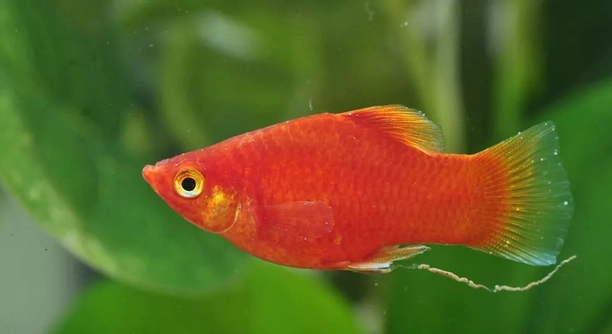
Do you keep platies as pets and wonder how their environment affects them? Platies are popular freshwater fish that thrive in home aquariums. Their health can be influenced by various factors, including noise and activity levels around their tank.
Platies can experience stress when exposed to loud or constant noise in their environment. Loud rooms create vibrations and disturbances in the water, which may trigger a stress response in these fish. Stress can weaken their immune system and affect their behavior.
Understanding how noise impacts platies will help you create a calm and healthy space for them. This article explores what causes stress in platies and how to keep their environment comfortable.
How Noise Affects Platies
Loud noises cause vibrations that travel through the aquarium water. Platies are sensitive to these vibrations, which can make them anxious or stressed. In a loud room, they may hide more often, swim erratically, or lose their appetite. Stress lowers their immune system, making them vulnerable to illness. Continuous exposure to noise can also interfere with their natural behavior, such as breeding or social interaction with other fish. It is important to monitor the noise levels around your aquarium to ensure a peaceful environment. Simple steps like placing the tank in a quieter room or using soundproofing materials can help reduce noise. Consistent calm surroundings allow platies to thrive and show their natural colors and behaviors.
Reducing noise around the tank promotes better health and behavior in platies.
Platies respond best to stable environments. Avoid placing the tank near televisions, speakers, or busy household areas. If you live in a noisy home, try to create a dedicated quiet space for the aquarium. Keeping a lid on the tank can also reduce external sounds. Observing your platies regularly helps you notice signs of stress early. When fish seem less active or change their eating habits, noise might be a factor. Providing plenty of hiding spots and plants gives them a refuge from sudden sounds. Maintaining stable water conditions and a quiet setting supports their wellbeing and longevity.
Signs of Stress in Platies
Stress in platies shows through changes in behavior and appearance.
Platies under stress may lose color, swim nervously, or stay hidden. These signs indicate they are uncomfortable and may need a quieter environment. Early attention helps prevent health problems.
How to Create a Calm Environment
A calm environment reduces stress for platies. Keep noise levels low near the tank and avoid sudden loud sounds. Position the aquarium away from heavy traffic or entertainment areas.
Adding plants and decorations helps platies feel secure. They use these as hiding spots when disturbed. Soft lighting also creates a peaceful atmosphere. A quiet, stable space prevents stress and promotes natural behavior. Using a tank cover can reduce noise and prevent sudden disturbances. Regularly checking the surroundings ensures the environment remains calm. Simple changes can make a big difference in your fish’s wellbeing.
Maintaining a steady routine for feeding and cleaning also contributes to calmness. Platies thrive when their environment is predictable and safe. This helps them feel comfortable and lowers their stress levels, leading to healthier fish.
Noise Levels to Avoid
Constant loud noise and sudden loud sounds can harm platies. Noise above normal conversation levels is best avoided around the tank.
Platies are sensitive to vibrations caused by noise. Excessive noise disrupts their rest and feeding habits, increasing stress. Avoid placing the aquarium near music speakers, televisions, or appliances that create loud sounds. Sudden noises like banging doors or shouting also frighten them. Keeping the room quiet helps fish stay calm and healthy. If you live in a noisy area, consider soundproofing or placing the tank in a less active room. Monitoring noise levels is important for maintaining your platies’ comfort and wellbeing.
Common Sources of Noise in the Home
Household appliances often create constant background noise. Refrigerators, air conditioners, and fans can produce vibrations that affect fish.
Loud conversations, televisions, and music also add to the noise level. These sources can create sudden loud sounds or continuous disturbances that stress platies.
Managing Noise in Shared Spaces
In shared living areas, controlling noise can be difficult. Using rugs, curtains, and soft furnishings helps absorb sound and reduce echo. Closing doors or placing the aquarium away from the busiest areas minimizes exposure to noise. Even small adjustments can make the environment calmer for your fish.
Recognizing Stress Behavior Quickly
Stress behaviors include hiding, rapid breathing, and loss of appetite. Watching for these signs helps catch issues early.
When to Seek Expert Help
If stress signs persist despite reducing noise, consult an aquatic specialist or veterinarian.
FAQ
Do platies get stressed from loud rooms?
Yes, platies can get stressed from loud environments. Loud noises create vibrations in the water that disturb their natural behavior. Stress from noise can cause hiding, loss of appetite, and weakened immune systems, making them more prone to illness.
How can I tell if my platy is stressed?
Signs of stress include faded colors, erratic swimming, hiding more than usual, and not eating. You might also notice rapid gill movement or unusual lethargy. Watching your fish closely will help you identify these behaviors early.
What noise levels are safe for platies?
Keep noise at or below normal conversation levels near the aquarium. Avoid loud music, shouting, or frequent banging sounds. Sudden or constant loud noises cause stress, so a calm, quiet environment is best.
Can background noise from appliances harm platies?
Some constant noises, like refrigerators or air conditioners, produce vibrations that might stress fish. While low-level background noise is often tolerable, stronger vibrations or frequent changes in sound can disturb platies.
Does adding plants to the tank help reduce stress?
Yes, plants provide hiding spots and help platies feel secure. This reduces anxiety caused by sudden noises or movement outside the tank. Live plants also improve water quality, which supports fish health.
Will covering the tank reduce noise stress?
A tank cover can reduce external noises and prevent disturbances like water splashing. It helps block sound waves and vibrations, creating a quieter environment inside the aquarium.
How important is tank placement for noise control?
Tank placement is very important. Avoid placing the aquarium near speakers, busy rooms, or doors that slam. Choose a quiet, stable spot away from household noise to reduce stress on your platies.
Can stress from noise affect platy lifespan?
Chronic stress weakens immune systems and can shorten a platy’s life. Stress reduces their ability to fight infections, making them vulnerable to diseases and reducing their overall health.
What can I do if I live in a noisy home?
Try to isolate the aquarium in the quietest room possible. Use sound-absorbing materials like rugs and curtains nearby. Consider a tank stand that absorbs vibrations and use a lid to shield the tank from noise.
How often should I check my platies for signs of stress?
Daily observation is ideal. Regularly watching their behavior helps catch problems early. Look for changes in swimming, feeding, and color to address stress before it becomes serious.
Are some platies more sensitive to noise than others?
Yes, individual fish vary in sensitivity. Some may tolerate moderate noise better, while others react strongly to small disturbances. Paying attention to your fish’s behavior helps you adjust their environment accordingly.
Can sudden loud noises cause permanent damage to platies?
Sudden loud noises mainly cause temporary stress. Repeated or continuous exposure may lead to lasting health issues, but a single loud noise usually only causes short-term fright.
Do platies need complete silence to stay healthy?
Complete silence isn’t necessary, but a low-noise environment is important. Moderate background noise without sudden spikes is usually fine. Stability and calmness matter more than total quiet.
How does stress affect platy behavior?
Stress can cause erratic swimming, hiding, decreased activity, and loss of appetite. Over time, stressed fish may show weakened coloration and become less social or stop breeding.
What other factors can cause stress besides noise?
Water quality, overcrowding, poor diet, and sudden changes in temperature can also stress platies. Keeping stable water conditions and a balanced environment reduces overall stress.
Is it safe to use soundproofing materials around the aquarium?
Yes, soft materials like foam panels, curtains, and carpets can reduce noise reflection and vibration. Just avoid covering the tank completely in a way that reduces airflow or light for the fish.
How long does it take for platies to recover from stress?
Recovery depends on the stress level and environment. With proper care and calm surroundings, platies may start showing improvement within a few days to weeks.
Should I quarantine stressed platies?
Quarantining stressed fish can help if they show signs of illness. It allows better control over treatment and reduces stress from tankmates while they recover.
Can I use music or white noise to calm platies?
There is no strong evidence that music or white noise calms platies. These sounds might still create vibrations that cause stress. A naturally quiet environment is best.
Does tank size affect platy stress levels?
Yes, small or overcrowded tanks increase stress. Providing enough space for swimming and hiding reduces tension and improves overall health.
What is the best way to introduce platies to a new environment?
Introduce them slowly by floating the bag in the tank water to equalize temperature. Minimize loud noises and movement during this time to reduce stress.
Can stress cause platies to stop breeding?
Stress can disrupt breeding behavior. Calm, stable environments with proper care encourage spawning, while noise and disturbances often reduce reproduction.
Is it necessary to keep the aquarium in a quiet room?
A quiet room is ideal but not always necessary. The key is minimizing loud or sudden noises and maintaining a stable environment.
How often should I clean the tank to reduce stress?
Regular cleaning maintains water quality, which reduces stress. Avoid cleaning during noisy times and perform partial water changes weekly or biweekly.
Can adding tank mates reduce stress from noise?
Compatible tank mates can provide company and reduce loneliness. However, overcrowding or aggressive fish cause more stress. Choose peaceful companions and maintain proper stocking levels.
What signs indicate a need to change the tank environment?
Persistent hiding, loss of color, poor appetite, or erratic swimming suggest environmental stress. If noise or other factors cause these, adjust tank placement or surroundings promptly.
Are platies more stressed by daytime or nighttime noise?
Daytime noise is usually more disruptive since platies are more active then. Nighttime noise can also cause stress if it disturbs their rest.
How can I monitor noise levels around the tank?
Use smartphone apps or sound meters to check noise levels. Keep the volume near the aquarium at comfortable conversation levels or lower.
Can stress from noise cause disease in platies?
Stress weakens the immune system, making platies more susceptible to infections like ich or fin rot. Preventing stress is key to keeping fish healthy.
Are certain breeds of platies more resilient to noise?
There is no clear evidence that specific platy breeds handle noise better. Individual fish temperament plays a larger role than breed differences.
Is sudden tank movement stressful for platies?
Yes, sudden shaking or moving the tank causes immediate stress. Handle the aquarium carefully to avoid disturbing your fish.
Can adjusting lighting help reduce stress?
Soft, consistent lighting reduces stress. Avoid bright or flashing lights near the tank that can startle platies.
What should I do if my platies are stressed and hiding all the time?
Reduce noise and disturbances immediately. Provide hiding spots and maintain stable water conditions. If behavior does not improve, seek expert advice.
Final thoughts on managing stress in platies highlight the importance of a calm and stable environment. Noise, especially loud or sudden sounds, can cause these small fish to feel threatened and stressed. Stress negatively impacts their health, behavior, and lifespan. Ensuring that the aquarium is placed in a quiet area away from heavy household activity helps reduce stress. It is equally important to minimize vibrations and disturbances by avoiding noisy appliances close to the tank. Simple steps like using a tank cover and adding plants or decorations for hiding spots create a more secure environment for platies. These changes help the fish feel safe and comfortable, allowing them to show natural behaviors and colors.
Observing platies regularly is key to maintaining their wellbeing. Stress signs such as hiding, loss of appetite, erratic swimming, or faded colors should never be ignored. Early detection allows owners to address the problem before it leads to illness. Changes to the fish’s surroundings, including reducing noise and improving water quality, often bring quick improvements. If signs of stress continue despite efforts, consulting an aquatic specialist or veterinarian is advised. Keeping a balanced routine of feeding, cleaning, and tank maintenance also plays a role in reducing stress. Stability in care and environment supports healthier, longer-living platies.
Understanding how noise and other factors affect platies helps create better living conditions. Stress is preventable with the right environment and care. While some noise is unavoidable in a household, keeping it at moderate levels near the tank makes a significant difference. The goal is to provide a peaceful, stable home that supports the fish’s natural needs. This approach ensures platies stay healthy and active, enriching the aquarium experience. By paying attention to noise levels and observing your fish’s behavior, you can keep your platies thriving for years to come.

Hello,
If you enjoy the content that we create, please consider saying a "Thank You!" by leaving a tip.
Every little bit helps us continue crafting quality advice that supports the health, happiness, and well-being of pets around the world, for pets of all shapes, sizes, and species.
We really appreciate the kindness and support that you show us!