
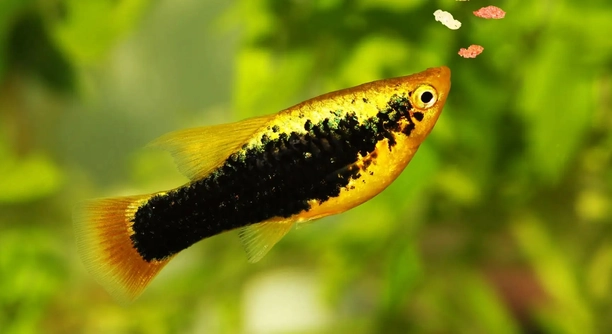
Platies are small, colorful fish often found in home aquariums. They use subtle behaviors to show when something isn’t quite right. Recognizing these signs can help keep them healthy and comfortable.
Platies communicate discomfort through body language, changes in swimming patterns, color shifts, hiding behavior, reduced appetite, fin clamping, and increased aggression. These signs indicate stress or poor conditions, requiring timely attention from the aquarium owner.
Understanding these subtle signals will help you better care for your platies and create a happier environment for them.
Changes in Swimming Patterns
When platies feel uncomfortable, their swimming behavior often changes. They may swim erratically, dart around quickly, or stay near the surface or bottom more than usual. Sometimes, they slow down or float in one spot without much movement. These shifts in swimming can indicate stress caused by poor water quality, sudden temperature changes, or aggressive tank mates. It’s important to watch for these changes early because they can signal health issues before physical symptoms appear. Adjusting the tank environment or checking water conditions can help your platies feel better quickly.
Erratic swimming or lethargy are common signs that something is wrong.
Monitoring how your platies move daily helps catch discomfort early. Keeping the water clean and stable often improves their swimming behavior. Avoid overcrowding and watch for any fish that might be bullying them. Providing plenty of hiding spots can also reduce stress and improve their overall comfort.
Color Shifts
Platies often change color when they are uncomfortable. Their vibrant colors may fade or become dull, which is a clear sign that something is off. Stress, illness, or poor water conditions can cause these shifts. When a platy’s color changes suddenly, it is usually an early warning that they need attention. In some cases, their colors might darken, which can also signal stress. Keeping the tank environment stable and clean will help maintain their bright colors. Sometimes, a diet rich in nutrients supports better coloration and overall health.
Fading or darkening colors show discomfort and should not be ignored.
When your platy’s colors change, check water quality first. Test for ammonia, nitrite, and nitrate levels, and adjust as needed. Feeding high-quality food and keeping a stable temperature are also essential. Avoid sudden changes in lighting or decorations that might stress the fish. If color shifts continue despite good care, a health issue could be present. In that case, consulting a vet or experienced aquarist is a good step. Regular observation of your platies’ colors helps you spot problems early and act fast, ensuring they stay healthy and comfortable.
Hiding Behavior
Platies tend to hide more when they feel uncomfortable. They may stay behind plants, decorations, or in corners instead of swimming openly. This behavior often shows fear or stress.
Hiding is a natural defense mechanism for platies under stress. It helps them feel safe when the environment feels threatening or unstable. Changes in water quality, aggressive tank mates, or sudden movements outside the tank can cause this reaction. If your platy is hiding frequently, check for any sources of stress and try to reduce them. Providing plenty of hiding spots can help them feel secure but watch if hiding becomes excessive—it could mean a bigger issue.
If hiding lasts too long, your platy might be ill or suffering from poor water conditions. Regular water testing and gentle tank maintenance are key. Keeping the tank peaceful and stable encourages your platies to swim freely and stay healthy.
Reduced Appetite
A noticeable drop in appetite can indicate discomfort in platies. They might eat less or stop eating altogether when stressed or unwell.
Loss of appetite is often linked to poor water quality, illness, or stress from aggressive tank mates. When platies feel uncomfortable, their energy levels drop, and feeding becomes less important. If you notice your fish refusing food for more than a day, it’s time to check water parameters and observe other behaviors. Sometimes, a change in diet or feeding routine can help stimulate appetite. Make sure to provide varied, nutritious food to support their health.
If reduced appetite continues, it might signal disease or parasite problems. Quarantining sick fish and consulting a vet or experienced aquarist can prevent issues from spreading. Maintaining good tank hygiene and feeding balanced meals regularly will keep your platies energetic and thriving.
Fin Clamping
Fin clamping happens when a platy holds its fins tightly against its body. This is a clear sign of discomfort or stress.
It often occurs due to poor water quality, illness, or sudden changes in the environment. Observing fin clamping early helps address the problem before it worsens.
Increased Aggression
When platies feel uncomfortable, they may become more aggressive toward other fish. This behavior is a response to stress or overcrowding in the tank. Aggression can include chasing, nipping fins, or territorial displays.
Aggressive behavior can harm weaker fish and increase overall stress in the aquarium. To reduce aggression, make sure the tank has enough space and hiding spots. Also, avoid overcrowding and monitor water quality closely. Sometimes, separating aggressive fish temporarily can restore balance. Keeping the environment stable and peaceful is key to minimizing conflict among platies.
Reduced Activity
A noticeable drop in activity levels is often a sign that platies are feeling unwell or stressed.
How can I tell if my platy is stressed?
Stress in platies shows through subtle changes in behavior and appearance. Look for signs like erratic swimming, hiding more than usual, clamped fins, color fading, or a loss of appetite. These changes usually happen slowly but are clear indicators that something in the tank environment isn’t right. Regular observation helps you catch stress early so you can make adjustments before health declines.
What causes discomfort in platies?
Common causes include poor water quality, sudden temperature changes, overcrowding, aggressive tank mates, and inadequate hiding spots. Even small changes in the tank setup or water chemistry can upset platies. Stress also arises from illness or parasites. Maintaining clean water, stable conditions, and a peaceful environment reduces the chance of discomfort.
Why do platies hide so much?
Hiding is a natural way for platies to protect themselves when they feel threatened. Excessive hiding often means they are stressed or scared. This can happen if there are aggressive fish in the tank or if water conditions are poor. It might also indicate illness. Providing plenty of plants and decorations helps, but if hiding becomes constant, check for underlying problems.
What should I do if my platy stops eating?
Loss of appetite is a serious sign of discomfort. First, test the water for ammonia, nitrite, and nitrate levels, as poor water quality is a common cause. Make sure the food is fresh and varied. If the platy still won’t eat, observe other signs like lethargy or color changes. Sometimes illness is the reason, and a vet or aquarist’s advice might be needed.
How can I improve my platy’s comfort in the tank?
Keep the water clean with regular changes and proper filtration. Avoid overcrowding by limiting the number of fish. Provide plenty of plants and hiding spots so platies can feel secure. Maintain a stable temperature and avoid sudden changes. Also, monitor water parameters regularly and feed a balanced diet. These steps create a safe, comfortable environment.
Are color changes always a sign of illness?
Not always. Color fading or darkening can be a response to stress, poor water conditions, or diet. However, sudden or drastic changes might indicate illness or parasites. Consistent monitoring and water testing help determine if the cause is environmental or health-related. If color changes persist, seek expert advice.
Can platies communicate discomfort without obvious symptoms?
Yes, platies often show subtle signals like slight changes in swimming speed, fin position, or brief hiding. These signs can be easy to miss but still indicate discomfort. Paying close attention to their normal behavior helps you notice when something is off before symptoms worsen.
Is aggression common in platy tanks?
Platies are generally peaceful, but stress or overcrowding can cause aggression. Aggressive behavior can include chasing or fin nipping. Providing enough space and hiding spots reduces aggression. If it continues, separating aggressive fish might be necessary to protect others.
How often should I check my platy’s tank conditions?
Regular checks are important. Ideally, test water parameters once a week and observe fish behavior daily. Keeping consistent routines helps catch problems early and maintain a healthy environment. Simple things like removing uneaten food and cleaning filters improve water quality.
What are the best signs that my platy is healthy and comfortable?
Healthy platies swim actively, show bright and consistent colors, eat well, and interact peacefully with tank mates. Their fins should be open, and they spend time exploring rather than hiding. Regular, calm behavior without sudden changes usually means they are comfortable and well cared for.
Final Thoughts
Understanding how platies show discomfort is important for keeping them healthy. These small fish use subtle signs like changes in swimming, hiding, or color shifts to tell us when something is wrong. Paying attention to these signals early can help prevent bigger problems and ensure your fish live longer, happier lives. It is not always easy to notice discomfort at first, but watching your platies regularly makes a big difference. When you see these signs, checking water quality and the tank environment should be your first step.
Creating a comfortable home for platies means keeping their environment stable and clean. Water temperature, cleanliness, and proper tank size are key factors. Overcrowding and aggressive fish cause stress and discomfort, so it’s best to avoid these situations. Providing plenty of plants and hiding spots lets platies feel safe and relaxed. Feeding a balanced diet also supports their health and coloration. Simple care routines can prevent many issues and help your platies thrive.
Taking the time to observe your platies closely helps build a strong bond between you and your fish. Understanding their behavior allows you to respond quickly to their needs. When discomfort signs appear, quick action often improves their condition. With patience and care, your platies will show their bright colors and active behavior again. Keeping their environment peaceful and healthy is the best way to enjoy the beauty and charm these fish bring to your aquarium.

Hello,
If you enjoy the content that we create, please consider saying a "Thank You!" by leaving a tip.
Every little bit helps us continue crafting quality advice that supports the health, happiness, and well-being of pets around the world, for pets of all shapes, sizes, and species.
We really appreciate the kindness and support that you show us!