
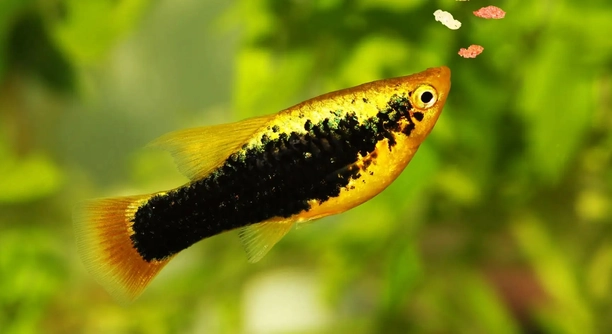
Platies are small, peaceful fish often kept in home aquariums. They enjoy exploring their environment but tend to avoid caves or huts. Understanding their behavior helps create a better space for these lively swimmers.
Platies typically avoid caves or huts due to their natural preference for open spaces and well-lit areas. These fish rely on clear visibility to detect threats and prefer environments where they can swim freely without feeling trapped or cornered.
Knowing why platies act this way can help aquarium owners set up more comfortable habitats. This article explains key reasons behind their behavior and how to create a better home for them.
Natural Habitat Preferences
Platies come from warm, slow-moving waters with plenty of open areas and gentle plant cover. In their natural settings, they swim in places where they can easily see around them to spot predators. Caves or small huts can feel like tight spaces that limit their view. These fish rely on clear sightlines to feel safe. When placed in tanks, they show similar behavior because these instincts remain strong. They prefer swimming freely and may avoid hiding spots that feel too enclosed. While some fish love caves, platies tend to pick areas with more light and space. Offering plenty of plants and open water mimics their natural habitat best, helping them feel relaxed and secure.
In home aquariums, platies often choose open swimming spaces over confined hiding spots. This preference helps keep their stress levels low and encourages natural movement.
Providing environments that reflect their natural habitat supports platies’ well-being. Understanding these preferences can improve how you design their tank space.
Tank Setup and Environmental Factors
Lighting plays a big role in platies’ comfort. They prefer bright or moderate light because it helps them see clearly and stay alert. Dark, enclosed caves might feel unsafe since they can’t observe their surroundings well. Temperature and water quality also affect how much they explore. If the tank feels cold or dirty, platies might hide less because they become less active overall. Sometimes, the size or placement of caves or huts in the tank can make a difference. If these spaces are too small or in dark corners, platies will avoid them. Choosing larger, well-lit shelters or offering lots of plants can give them places to rest without making them feel trapped. Adjusting the tank environment to suit their needs helps encourage natural behavior and comfort.
Social Behavior and Safety
Platies are social fish that feel safer in groups. They often rely on their school for protection rather than hiding alone in caves. This group behavior means they prefer open spaces where they can stay close to others.
When platies are kept in groups, they move around more confidently. Hiding in caves might isolate them, making them feel vulnerable. Open areas allow them to watch each other and detect danger early. This safety in numbers helps reduce their stress. Platies also use visual signals within their group to communicate. If they can’t see each other well because they are hiding, their social bonds weaken. That’s why they tend to avoid enclosed spaces and stick to open, shared parts of the tank.
Caves or huts might feel like traps to platies. Since they depend on seeing their group for security, hiding alone in these spaces can make them anxious. A tank setup encouraging group swimming and easy visibility supports their social needs best.
Impact of Tank Size and Decorations
Small tanks limit swimming space, which affects platies’ comfort. When tanks are too crowded or small, platies may avoid caves simply because they feel cramped. Limited space can increase stress and reduce their willingness to explore hiding spots.
The type and placement of decorations also matter. Sharp or dark objects near caves can discourage platies from entering. If decorations block light or reduce visibility inside these shelters, platies see them as unsafe. Smooth, light-colored plants or open structures create better resting areas. Proper spacing between decorations allows platies to move freely and choose hiding spots without feeling trapped.
Adjusting tank size and decor to give platies enough space and light helps them feel secure. This encourages natural behavior, making the fish more active and less stressed in their environment.
Stress and Fear Responses
Platies are sensitive to changes and can get stressed easily. New tanks, sudden movements, or loud noises make them cautious about hiding places. Stress lowers their confidence to explore caves or huts.
When stressed, platies prefer open water to quickly escape threats. Enclosed spaces may feel like traps, increasing their anxiety instead of providing comfort.
Feeding Habits and Exploration
Platies spend much time searching for food in open areas. Their natural curiosity drives them to swim actively rather than hide. Feeding near caves doesn’t attract them inside because they focus on visible, reachable spots.
Lighting and Visibility
Bright lighting helps platies feel safe by improving visibility. Dim or shaded caves are less inviting because they limit their ability to see potential threats or food.
Interaction with Other Fish
Platies avoid caves if more aggressive tank mates occupy them. They choose open spaces to stay alert and avoid confrontations.
FAQ
Why don’t platies like caves or huts in their tanks?
Platies prefer open, well-lit spaces where they can see their surroundings clearly. Caves and huts feel too dark and enclosed, limiting their vision and making them feel trapped. This goes against their natural instincts to stay alert and swim freely.
Can platies be trained to use caves or huts?
Platies are not easily trained to change their natural preferences. However, gradually introducing larger, more open shelters with better lighting may encourage some exploration. Still, many platies will choose open water over tight hiding spots.
Are caves harmful to platies if they avoid them?
No, caves themselves are not harmful. They just don’t appeal to platies’ natural behavior. As long as the tank offers enough open swimming space and plants, platies will remain healthy and comfortable without using caves.
Do all platies avoid caves or huts?
Most platies avoid small, dark shelters, but some individual fish may explore them occasionally. Behavior varies depending on the fish’s personality and tank conditions. Still, the general trend is to prefer open, visible areas.
How can I make my tank more comfortable for platies?
Provide plenty of open swimming space with gentle plants for cover. Use decorations that allow clear sightlines and avoid cramped or dark corners. Keep water quality stable and lighting moderate to bright for their comfort.
Will adding more platies help reduce hiding?
Yes, platies feel safer in groups and are less likely to hide when with others. Schooling behavior boosts their confidence and encourages more open swimming, reducing the need to seek shelter in caves.
Do platies hide more when stressed or sick?
Yes, stressed or sick platies may hide more to feel safe. But they usually choose plants or open spaces over caves. Keeping the tank clean, maintaining stable conditions, and monitoring health helps prevent stress-related hiding.
Is it okay to remove caves if platies never use them?
Yes, removing unused caves is fine. Instead, focus on creating a habitat that fits their preference for open spaces and plants. Decorations should enhance their environment without forcing them into unwanted hiding spots.
Can platies coexist with fish that use caves?
Yes, but it depends on the species. Some fish may use caves for shelter, while platies avoid them. Make sure tank decorations offer options for all fish without causing conflict or overcrowding.
What is the best way to introduce new decorations for platies?
Introduce new items slowly and observe how platies react. Choose open, light-colored decorations that don’t block visibility. Avoid sharp or tight spaces that may scare or trap them. Regularly rearranging plants can keep the environment interesting without stress.
Do platies ever use caves at night?
Platies generally stay in open areas even at night. They don’t rely on caves for shelter but may rest among plants or floating decorations. Nighttime behavior still reflects their preference for visibility and safety.
How important is lighting for platies’ behavior?
Lighting is very important. Bright or moderate light makes platies feel secure by improving their ability to see threats and food. Dark or shaded caves reduce this security, making those spaces less attractive.
Can tank size influence platies’ willingness to hide?
Yes, smaller tanks limit swimming space, causing platies to feel cramped and stressed. In such environments, they might avoid caves more due to lack of space. Larger tanks with plenty of room encourage natural swimming and reduce hiding behavior.
What types of plants work best with platies?
Soft, leafy plants like java fern, hornwort, or anacharis create good cover without blocking sight. These plants offer hiding spots that feel safe but don’t trap platies like caves might. They also improve water quality and tank aesthetics.
Are there any signs that a platy is too stressed in its tank?
Signs include sluggish swimming, loss of appetite, hiding in unusual places, or color fading. If platies avoid open areas completely or hide constantly, it may indicate stress. Improving water quality and tank setup usually helps.
How often should I rearrange the tank for platies?
Occasional rearranging every few weeks can stimulate exploration and reduce boredom. Keep changes gradual to avoid stress. Focus on maintaining open swimming paths and clear visibility while adding variety.
Can platies live happily without caves?
Absolutely. Caves are not necessary for platies’ happiness or health. They thrive with open water, plants, and proper tank conditions. Understanding their natural behavior helps create the best environment for them.
What are good alternatives to caves for platies?
Plants, floating decorations, or open shelters with wide entrances work well. These options provide cover without blocking sight. Smooth rocks or driftwood can add interest without making spaces feel too enclosed.
Does water flow affect platies’ hiding behavior?
Yes, platies prefer gentle water flow. Strong currents can stress them and make them seek shelter, but usually not in caves. Instead, they hide among plants or calmer tank areas. Adjusting filter output to gentle flow benefits their comfort.
Can sudden changes in the tank cause platies to avoid caves?
Yes, sudden changes like new decorations, water changes, or lighting shifts can increase stress. During these times, platies may avoid all shelters until they adjust. Gradual changes help reduce this behavior and maintain comfort.
Platies are small fish with simple needs, but understanding their behavior helps keep them happy and healthy. Their avoidance of caves or huts is not unusual; it reflects their natural instincts. Platies prefer open spaces where they can easily see what’s around them and feel safe. Dark, enclosed places make them feel trapped and vulnerable, so they tend to swim in well-lit areas with plenty of room. Knowing this can help anyone who keeps platies create a better home for these fish by focusing on open swimming space and gentle plant cover.
The environment inside the tank plays a big role in how platies behave. Lighting, tank size, decorations, and the company of other fish all affect whether platies feel comfortable exploring or choose to hide. Bright, moderate lighting helps them feel secure, while too many dark corners or cramped spaces make them uneasy. It’s important to offer plants or open shelters that don’t block their view or restrict movement. Grouping platies together also helps because they rely on each other for safety, making them more confident and active.
Creating a tank that suits platies’ natural behavior is key to their well-being. It means thinking about their need for visibility, space, and gentle surroundings rather than forcing them into hiding places they avoid. When their environment matches what they need, platies swim more freely, eat better, and stay healthier. This simple understanding benefits both the fish and the aquarium owner, making the tank a pleasant place to watch and care for these lively creatures.

Hello,
If you enjoy the content that we create, please consider saying a "Thank You!" by leaving a tip.
Every little bit helps us continue crafting quality advice that supports the health, happiness, and well-being of pets around the world, for pets of all shapes, sizes, and species.
We really appreciate the kindness and support that you show us!