
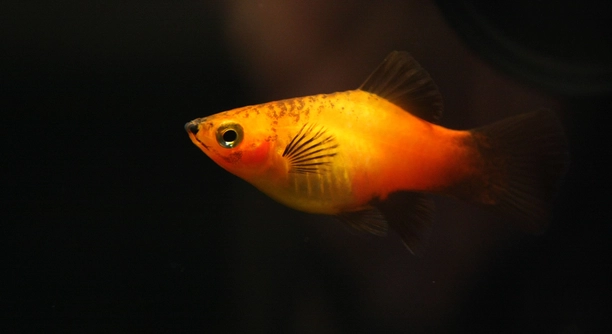
Many platies tend to favor one side of the tank over the other for various reasons. This behavior can be influenced by environmental factors, tank setup, or the fish’s personal preferences. Observing their patterns helps in understanding their needs better.
Platies often prefer one side of the tank due to differences in lighting, water flow, hiding spots, or temperature variations. These factors create a more comfortable and secure environment on that side, leading to consistent fish presence there.
Knowing why your platy favors one side can improve tank conditions and fish well-being. Understanding these details helps create a balanced habitat for your aquatic pets.
Common Environmental Factors Affecting Platy Behavior
Platies often choose one side of the tank based on environmental conditions. Lighting is a key factor; brighter areas may be uncomfortable, while dimmer spots offer shelter. Water flow also matters, as some platies prefer calm areas over stronger currents. The presence of plants, decorations, or hiding spots can make a section of the tank more attractive and safe. Temperature differences, even slight ones, influence where platies swim or rest. If one side is warmer due to the aquarium heater’s placement, your fish may spend more time there. Monitoring these factors helps in understanding and adjusting their habitat for better comfort.
Environmental variables can cause platies to form distinct swimming patterns. Identifying and modifying these factors ensures the fish stay healthy and active.
Addressing lighting, water flow, and temperature evenly across the tank can encourage your platy to explore more areas. Adding plants and hiding spots on the less preferred side may balance their movement. Making subtle changes based on observation improves your fish’s overall well-being and creates a more harmonious tank environment.
How Tank Setup Influences Platy Preferences
Tank setup plays a major role in platy behavior. If one side has more plants, rocks, or decorations, it provides better shelter and security, attracting your fish. Platies naturally seek places to hide or rest where they feel safe. Uneven distribution of these elements makes one side more inviting. Additionally, the location of feeding spots can condition platies to stay near food sources, often leading to preference for that area.
An imbalanced setup impacts platy movement and activity.
To encourage even distribution, arrange plants and hiding places on both sides. Feed your platy from different spots to prevent habit formation. A well-organized tank fosters natural exploration, reduces stress, and promotes healthier behavior in your fish.
Impact of Tank Location
The spot where the tank is placed can affect your platy’s behavior. Nearby windows, doors, or busy areas create distractions or temperature shifts. Platies might avoid these disturbances by staying on the calmer side of the tank.
Environmental noise or vibrations can stress fish, causing them to seek refuge in quieter zones. Light from windows may heat one side more, making it uncomfortable. Avoid placing the tank in direct sunlight or near frequent activity. A stable, quiet location supports balanced fish movement. Adjusting tank placement can encourage your platy to explore the entire space instead of sticking to one side.
Keeping the tank in a calm area helps maintain consistent water conditions, which benefits all aquatic life inside.
Health Considerations Behind Side Preference
A platy’s preference for one side may signal health issues. If your fish is sluggish, hiding often, or showing color changes, it might be unwell. Ill fish tend to isolate themselves in one spot to reduce stress and conserve energy. Check for signs like clamped fins, labored breathing, or spots on the body. Poor water quality or disease can cause discomfort, making your platy avoid certain areas.
Regular water testing and maintaining clean conditions are essential. Uneven tank conditions could worsen health problems if ignored.
If illness is suspected, isolate the fish and seek advice from a vet or experienced aquarist. Addressing health early ensures your platy returns to normal activity and enjoys its environment fully.
Social Dynamics in the Tank
Platies establish social hierarchies that influence where they spend time. Dominant fish may claim one side, pushing others away. This behavior is natural and helps reduce conflict within the group.
Shy or submissive platies often avoid areas controlled by more aggressive tank mates to stay safe and stress-free.
Feeding Habits and Territory
Feeding routines shape your platy’s preferred tank area. Fish quickly learn where food is offered and may remain nearby to eat first. This behavior can create territorial tendencies around feeding spots, influencing their tank location and movement patterns.
Water Quality Variations
Differences in water quality between tank sides affect platy comfort. Uneven filtration or aeration may cause certain areas to have poorer water conditions. Fish naturally avoid spots with low oxygen or higher waste levels.
Maintaining consistent water quality throughout the tank encourages balanced activity and healthy behavior.
FAQ
Why does my platy always stay on one side of the tank?
Platies tend to stay on one side of the tank because that area offers the most comfortable conditions. This could be due to better lighting, water temperature, or hiding spots. Fish look for places where they feel safe and less stressed, which often means one side feels better than the other.
Can lighting affect where my platy swims?
Yes, lighting is a major factor. Bright lights can make platies uncomfortable, so they often move to dimmer areas. If one side of the tank has softer lighting or more shade from plants or decorations, your platy will prefer that side.
Is water flow important for platy location preference?
Absolutely. Some platies like calm water, while others enjoy a gentle current. If one side has stronger water flow due to the filter or aerator placement, your fish may avoid that side or prefer the calmer area.
Could temperature differences in the tank cause this behavior?
Yes, even small temperature differences can influence platy behavior. If the heater is near one side, that side may be warmer. Your platy may prefer the warmer or cooler side depending on its comfort level.
What role does tank setup play in this behavior?
Tank setup matters a lot. More plants, rocks, or hiding places on one side can make it feel safer for your platy. Fish naturally seek shelter to feel secure, so a well-decorated side will attract them more.
Could my platy’s health affect where it stays?
If your platy is sick or stressed, it might isolate itself to one side. Look for signs like lethargy, faded colors, or unusual swimming patterns. Poor water quality or illness can cause this behavior, so monitor your fish closely.
How does social interaction influence side preference?
Platies establish a social order. Dominant fish may claim one side and chase others away. Shyer fish avoid those areas to reduce stress. This creates natural zones within the tank where fish prefer to stay.
Does feeding routine impact platy location?
Yes, platies learn where they get fed and tend to stay near those spots. Feeding can create temporary territorial behavior, especially around favorite food locations.
What should I do if my platy only stays in one corner?
Check environmental factors like lighting, temperature, and decorations. Adjust these to create a more balanced tank. Also, ensure water quality is good and that your fish is healthy. Adding plants or hiding spots to the less-used side may encourage movement.
Can tank placement in the room affect platy behavior?
Yes, placing the tank near windows or busy areas may cause your platy to avoid certain sides due to noise, vibrations, or temperature changes. A stable and quiet spot supports healthier fish behavior.
How can I encourage my platy to explore the whole tank?
Evenly distribute decorations, plants, and hiding places throughout the tank. Feed from different locations and maintain stable water conditions. Reducing stressors and creating a balanced environment encourages your platy to swim freely.
Is it normal for platies to prefer certain areas?
Yes, this is common. Fish are sensitive to their surroundings and choose spots that feel safest and most comfortable. Observing their preferences helps improve tank care and fish happiness.
When should I worry about my platy’s side preference?
If your platy stops eating, loses color, or becomes very inactive, it may be a sign of illness. Prolonged isolation or hiding also needs attention. In such cases, test water quality and consult a vet or aquarium expert.
Can poor water quality cause a platy to avoid parts of the tank?
Yes, uneven filtration or waste buildup can lower water quality in certain areas. Fish avoid spots with low oxygen or high toxins. Regular cleaning and proper filtration help keep water conditions even.
How often should I check tank conditions to prevent this behavior?
Routine checks are important. Test water parameters weekly and observe your fish daily. Early detection of problems helps maintain a healthy environment and reduces unwanted behavior like side preference.
Final thoughts on why your platy prefers one side of the tank focus on understanding the many factors that influence this behavior. It is important to remember that platies, like all fish, react to their environment in ways that help them feel safe and comfortable. Their choice of a specific area often reflects what is best for them at the moment. Lighting, water flow, temperature, and tank decorations all play a role. Observing these factors closely can help you make small changes that improve your fish’s comfort and encourage them to explore the entire tank.
Addressing tank setup is key to balancing your platy’s preferences. By evenly spreading plants, hiding spots, and feeding areas, you create a more inviting space for your fish to move freely. Uneven conditions can cause a platy to stay in one place because it feels safer or more comfortable there. Ensuring good water quality and stable temperature throughout the tank is just as important. Regular maintenance and monitoring will prevent any side of the tank from becoming less desirable due to poor conditions. When your platy has a well-balanced environment, it will be more active and show healthier behavior.
Lastly, paying attention to your platy’s health and social behavior can reveal why it prefers one side of the tank. Illness or stress may cause your fish to isolate itself, while social dynamics can make some areas more appealing or off-limits. Watching for signs of sickness and understanding how your platy interacts with tank mates will help you create a supportive environment. Taking these steps ensures that your platy stays healthy, happy, and comfortable, no matter which side of the tank it prefers.

Hello,
If you enjoy the content that we create, please consider saying a "Thank You!" by leaving a tip.
Every little bit helps us continue crafting quality advice that supports the health, happiness, and well-being of pets around the world, for pets of all shapes, sizes, and species.
We really appreciate the kindness and support that you show us!