
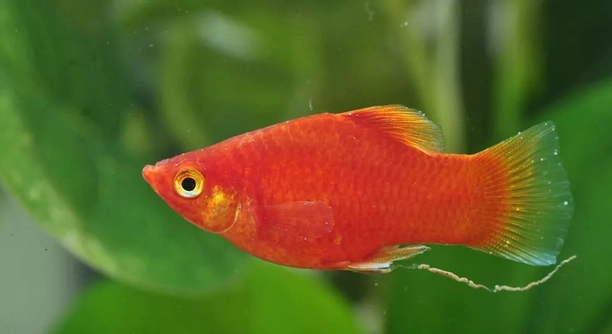
Have you ever noticed your platy swimming back and forth along the tank walls, almost like it’s trying to escape or find something?
The most common reason your platy follows the tank walls is stress caused by poor water quality, lack of stimulation, or feeling threatened. This behavior can also result from boredom or an unbalanced environment inside the tank.
Understanding these causes can help you create a healthier, more comfortable space for your platy and ensure its behavior improves over time.
Common Reasons Your Platy Swims Along the Glass
Platies often follow the tank walls when something in their environment feels off. Poor water quality, especially high ammonia or nitrate levels, can stress them. It’s important to regularly test the water and perform partial water changes. Another reason could be a lack of hiding spaces or stimulation—platies need plants, rocks, and tank decor to feel safe and entertained. Constant lighting or loud surroundings can also trigger this behavior. If your platy doesn’t have tank mates or lives in a tank that’s too small, it may act out by swimming along the glass repeatedly.
This behavior can also start after a recent change in the tank, like a new filter or sudden temperature shift.
Platies are naturally active fish, but their swimming should feel relaxed and varied. If they constantly circle the edges, it’s a sign that something needs adjusting in their setup or routine. Start by observing closely.
What You Can Do to Help
Begin by checking the water parameters. A clean, stable tank environment is essential. If the levels are off, your platy may feel unsafe or uncomfortable.
A 10-20 gallon tank with live plants, gentle filtration, and a few peaceful tank mates helps reduce stress. Platies enjoy swimming space and benefit from a varied environment. Try adding new décor or floating plants to break up their line of sight and give them something to explore. Feeding them a balanced diet and sticking to a regular light schedule can also keep them calm. Avoid tapping the glass or sudden loud noises around the tank. These small things can make a big difference. If you recently introduced a new fish, give them time to adjust and keep an eye out for bullying or territorial behavior. Watch how your platy responds to any changes. The goal is to make the tank feel like a safe, engaging space they want to explore, not escape from.
Behavioral Triggers to Watch For
Changes in your platy’s behavior can come from stress, boredom, or environmental shifts. Watch for sudden glass surfing, loss of appetite, or signs of aggression. These behaviors often mean your fish is uncomfortable and needs something in the tank or routine to be adjusted.
If your platy was once calm and is now pacing along the tank walls, think about what has changed. Did you add a new fish, clean the tank too aggressively, or move decorations around? Even small shifts can unsettle a platy. Sometimes, they react this way to their reflection in the glass, mistaking it for another fish. Reducing light glare or adjusting tank placement can help. If you feed them too much or too little, it can also affect how they behave. When you notice consistent wall-following, take note of the tank’s recent changes and their timing. This can help you narrow down the cause faster.
Another possible reason is that your platy is responding to activity outside the tank. If the aquarium is in a busy area or near loud sounds, your fish might feel anxious and react by swimming along the sides. Tank vibrations, nearby televisions, or frequent foot traffic can be overwhelming. Platies prefer calmer surroundings. Also, make sure their tank mates aren’t bullying or chasing them. This can make them seek a “safe path” along the glass. Take time to observe during feeding, resting, and light changes. This will give you a better picture of what’s triggering the behavior and whether it’s tied to specific times or activities in your home.
How to Create a Calming Tank Space
Use live plants, floating decor, and natural lighting patterns to create a peaceful environment. Avoid bright overhead lights and place the tank where it won’t be exposed to constant movement. Add hiding spots using driftwood or caves for more comfort and security.
If your platy lives alone, consider adding a few more peaceful fish to reduce loneliness, as they enjoy being in groups. Just make sure there’s enough space in the tank. Keep the water temperature steady, ideally between 72–78°F. Sudden temperature drops can trigger stress. Avoid over-cleaning the tank or changing all the water at once. Replace about 25% of the water weekly instead. Use a sponge filter or a quiet system to avoid strong currents. Feeding a mix of flakes, freeze-dried, and fresh veggies will support their health and reduce stress-driven behaviors. A calm environment paired with a consistent routine helps your platy feel safe, supported, and less likely to keep circling the glass.
When It’s Not a Problem
Some platies just enjoy swimming along the tank walls as part of their daily routine. If they’re eating well, active, and showing no signs of stress, it’s usually nothing to worry about.
It can also be a sign of curiosity or exploring, especially in newer setups. Just keep monitoring for any changes.
When to Be Concerned
If your platy is breathing heavily, hiding constantly, or showing faded colors along with wall-following, it may be stressed or unwell. Watch for clamped fins, sudden weight loss, or unusual aggression from other fish. These signs point to a bigger issue. In that case, test the water, check for injuries, and isolate the fish if needed. Early action can prevent more serious problems. Also, observe whether the behavior happens after specific triggers—like feeding, lighting, or movement nearby. Keeping a small log of their behavior can help track patterns. When things feel off, trust your instincts and take steps to adjust their environment.
What to Avoid
Avoid tapping the glass, overcrowding the tank, or using harsh lighting. These things can add to their stress and make the behavior worse.
FAQ
Why is my platy constantly swimming up and down the glass?
This behavior is often caused by stress, poor water quality, or a lack of stimulation. Platies may also react this way when they’re bored, feel unsafe, or see their own reflection. Check the water parameters first—high ammonia, nitrate, or nitrite levels can make your fish uncomfortable. Adding more plants or decorations can help provide hiding spots and create a more secure environment. If your tank is new, your platy might just be adjusting to unfamiliar surroundings. Watch for other signs of stress like clamped fins or rapid gill movement.
Is it normal for a healthy platy to swim along the tank walls?
Yes, it can be normal, especially if the fish is active, eating well, and not showing any signs of stress. Some platies are naturally more energetic or curious. They may enjoy pacing the glass as a way of exploring or staying active. However, if this behavior becomes obsessive or is paired with other concerning signs—like gasping at the surface or hiding all the time—it’s worth taking a closer look at their environment and routine. Each fish has its own personality, so patterns can vary slightly.
Can tank size affect this behavior?
Absolutely. A small tank with limited space can make a platy feel trapped or restless. Platies do best in tanks that are at least 10 gallons, though 15–20 gallons is even better for a group. If the space is too small, they may swim along the glass out of frustration or a need for more room. It’s important to provide open swimming areas as well as hiding spots to keep them stimulated and comfortable. Make sure the tank isn’t overstocked—too many fish can cause stress and make your platy feel overwhelmed.
Could strong water flow make my platy act this way?
Yes. If the water current is too strong, your platy may struggle to swim comfortably and stick close to the edges where flow is weaker. Platies prefer calm or gently filtered water. A strong filter might also disturb the plants or decor, making the environment feel less secure. You can reduce flow by adjusting your filter’s position or adding a sponge over the outflow. Watch how your platy behaves after the change. If the glass-following stops or lessens, the strong current may have been part of the problem.
What if my platy sees its reflection in the glass?
This happens more than you might think. Bright lighting, clear glass, and a dark room can create strong reflections that confuse your platy. It may see its reflection and think it’s another fish, which can lead to chasing or swimming up and down. To fix this, try softening the lighting, moving the tank slightly, or adding a background to reduce glare. You can also add more floating plants or place decorations near the glass to block reflections. Small changes like these often reduce repetitive swimming behavior.
How long should I wait before taking action?
If your platy starts following the glass suddenly and keeps it up for more than a couple of days, it’s worth checking the basics—water quality, tank mates, and temperature. If you see other warning signs like faded color, weight loss, or irregular swimming, act right away. A healthy platy may swim along the walls now and then, but constant pacing usually means something is off. Don’t wait too long if your gut says something isn’t right. Making small adjustments early often prevents bigger issues later.
Can feeding habits affect this behavior?
Yes, feeding too much or too little can lead to stress. Overfeeding affects water quality, while underfeeding leaves them restless or aggressive. Make sure you feed a balanced diet—flakes, veggies, and the occasional freeze-dried treat. Keep a consistent feeding schedule and remove uneaten food after a few minutes to avoid buildup. A well-fed platy with a stable routine is more likely to stay calm and behave normally. Food-related stress can show up as glass surfing, begging, or aggression toward tank mates.
What if nothing seems to help?
If your platy keeps swimming along the glass even after water adjustments, decor changes, and environmental checks, it might just be part of its individual behavior. Some fish are naturally more active or sensitive than others. As long as your platy is healthy, eating, and social, it may not be a sign of a serious issue. Still, it’s always smart to keep an eye on them and stay consistent with tank maintenance. A peaceful, well-kept tank helps reduce unnecessary stress and keeps behaviors in check.
Final Thoughts
Watching your platy follow the tank walls can feel a bit worrying at first, especially if you’re not sure what’s causing it. In many cases, this behavior is a sign that something in the tank isn’t quite right. It might be the water quality, a strong filter current, or a lack of plants and hiding spaces. Platies are active fish, but their movement should feel relaxed, not repetitive or frantic. When you notice this kind of behavior happening often, it’s worth taking the time to check the setup and make sure their environment is comfortable and stable.
Small changes can often make a big difference. Adding live plants, adjusting the lighting, or simply rearranging the tank can help your platy feel more secure. Keeping the water clean, providing a consistent feeding schedule, and maintaining a calm environment will also support their overall well-being. If you’ve ruled out stress or illness and your platy is still swimming along the glass now and then, it might just be part of their natural behavior. Each fish is unique, and some are simply more energetic or curious than others.
The key is to stay observant and respond calmly when you notice something unusual. Regular care, thoughtful tank design, and a balanced routine go a long way in keeping your platy happy. As long as your fish is eating well, interacting normally with others, and shows no signs of illness, occasional glass-following isn’t a major concern. What matters most is creating a peaceful space where your platy can thrive. Over time, you’ll get to know their habits better and feel more confident in what’s normal for them.

Hello,
If you enjoy the content that we create, please consider saying a "Thank You!" by leaving a tip.
Every little bit helps us continue crafting quality advice that supports the health, happiness, and well-being of pets around the world, for pets of all shapes, sizes, and species.
We really appreciate the kindness and support that you show us!