
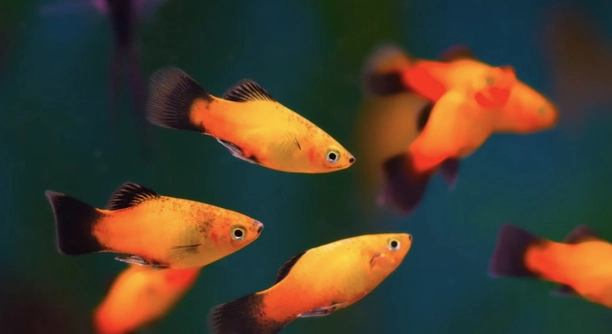
Platies are small, colorful fish often kept in home aquariums. Many people enjoy watching their lively movements and unique behaviors. Understanding how these fish swim helps owners care for them better.
Platies are not known to swim backward intentionally. Their movement is primarily forward or sideways, used to navigate their environment or escape threats. Backward swimming usually happens accidentally or during brief maneuvers, not as a purposeful action.
Learning more about platies’ swimming habits can improve your knowledge and care of these charming fish. This article will explore the details behind their movements and what influences them.
How Platies Move in the Water
Platies move mostly by swimming forward using their tails and fins. Their bodies are shaped to help them glide smoothly through water. When they want to change direction, they usually turn sideways or make quick turns to avoid obstacles or other fish. Sometimes, they stop and hover by gently moving their fins. This helps them stay in one place while they explore or rest. Backward swimming is rare and happens only for a short moment if they bump into something or need to adjust their position quickly. Platies rely more on forward and sideways swimming to navigate their environment and find food. Observing their movements can give clues about their health or mood. For example, slow or erratic swimming might mean the fish is stressed or sick. Understanding their natural swimming style helps you create a better tank setup that fits their needs.
Platies’ movement is mostly forward, with brief backward motions only when necessary or accidental.
Watching how platies move can tell you a lot about how comfortable they feel. When they swim calmly and steadily, it usually means they are healthy and happy. If you see them struggling or moving oddly, it might be a sign to check their tank conditions. Temperature, water quality, and space affect how they swim. Making sure their environment is stable helps them swim naturally and avoid stress. Small changes like rearranging plants or adding hiding spots can encourage more natural behavior. Keeping an eye on their swimming patterns is a simple way to monitor their wellbeing over time.
Why Backward Swimming Is Uncommon
Backward swimming is not a common behavior for platies because their body and fins are built for efficient forward movement. They don’t have the muscle structure to swim backward easily for long periods. When they do move backward, it is often a quick adjustment or reaction to a sudden change nearby. This can happen if they bump into objects or other fish, or if they are startled. Since backward swimming takes more effort and isn’t their natural way of moving, platies prefer to turn around instead. Their instincts push them to swim forward where they can see clearly and avoid danger. This helps them survive better in their environment. Understanding this helps when observing any unusual swimming behavior and deciding if it needs attention or if it is just a normal quick move.
When Platies Swim Backward
Platies sometimes swim backward briefly to adjust their position or avoid obstacles. This movement is quick and not sustained. It helps them stay balanced in tight spaces or near plants.
This short backward swim happens mostly by accident rather than intention. Because their fins and muscles are designed for forward motion, swimming backward is awkward and tiring. They rarely do it unless necessary. For example, if a platy bumps into the tank glass or another fish, it may reverse a little to create space. It is more common to see them turn around or swim sideways to move away from something. Watching these small backward movements can give you clues about how the fish interacts with its environment or other tank mates. It is a minor part of their behavior, but still interesting to observe.
Although platies can swim backward briefly, it is not their preferred way to move. Most of the time, they rely on smooth forward swimming and quick turns. This helps them save energy and navigate better. Their natural design supports this, making backward swimming more of a rare, short reaction than a common behavior. Noticing this can help when checking if your fish are healthy and comfortable in their space.
Factors Affecting Platies’ Swimming Behavior
Water quality and temperature can affect how platies swim, including any backward movements. Poor conditions may cause stress and unusual swimming.
Stress or illness can cause platies to behave differently. If water is too cold or warm, they may swim erratically, including more frequent backward motions. Low oxygen or dirty water makes swimming harder, leading to weak or strange movements. Tank size and decorations also play a role. A cramped tank can cause platies to bump into objects, triggering brief backward swimming. Giving them enough space and clean water helps maintain normal swimming patterns. Watching these factors can improve your fish’s wellbeing and reduce odd behaviors.
How Platies React to Tank Mates
Platies may swim backward briefly to avoid more aggressive fish. It’s a quick way to create space without turning around. This helps prevent fights and stress in a crowded tank.
When placed with peaceful tank mates, platies feel safer and show less backward swimming. A calm environment encourages normal, forward swimming and reduces sudden reactions.
Impact of Tank Size on Swimming
A small or overcrowded tank limits platies’ movement, causing more frequent backward swimming. Tight spaces force them to back up often to avoid obstacles or other fish. Larger tanks allow smoother swimming and fewer quick reversals.
Observing Your Platies’ Behavior
Keep an eye on your platies’ swimming. Sudden increases in backward motion might signal stress or discomfort that needs attention.
FAQ
Can platies swim backward for long periods?
Platies cannot swim backward for long because their bodies and fins are designed for forward movement. Backward swimming uses more energy and is awkward for them. Usually, if you see a platy swimming backward, it is just a brief adjustment or reaction to something in the tank. They quickly return to swimming forward or sideways after that.
Is backward swimming a sign of illness in platies?
Occasional brief backward swimming is normal and not usually a sign of illness. However, if a platy frequently swims backward, struggles to swim, or shows other strange behaviors like floating or sinking, it might be sick. Poor water quality, temperature issues, or parasites can cause unusual swimming. In that case, checking the tank conditions and possibly consulting a vet is important.
Why do platies sometimes swim backward when feeding?
Sometimes, platies swim backward while feeding to make space or adjust their position among other fish. It helps them reach food without bumping into tank mates. This movement is quick and practical, not a sign of any problem.
Can platies swim backward to escape predators?
Platies mostly swim forward or sideways to escape danger. They rely on quick turns and fast forward swimming. Backward swimming is rare and too slow to be an effective escape method. Instead, platies use hiding spots or fast forward bursts to avoid predators.
How does tank size affect platies’ swimming behavior?
Smaller or crowded tanks limit platies’ swimming space, causing more backward swimming to avoid bumping into objects or fish. A larger tank gives them room to swim forward naturally, reducing the need for backward motions. Proper tank size is important for their comfort and health.
Do platies swim backward more when stressed?
Stress can cause unusual behavior, including more backward swimming. Poor water conditions, overcrowding, or aggressive tank mates can stress platies. If you notice frequent backward swimming alongside other signs like loss of appetite or lethargy, it’s a good idea to check water quality and tank setup.
Is backward swimming common in other fish species?
Some fish species can swim backward more easily due to different body shapes or fins. However, in many species like platies, backward swimming is rare and usually brief. Each fish’s swimming ability depends on its anatomy and natural behavior.
Should I be worried if my platy swims backward?
A short backward swim is normal and not a cause for concern. If it happens often or is combined with other odd behaviors, check water quality, temperature, and tank conditions. Healthy platies mainly swim forward and sideways, so changes in movement can signal a problem.
Can tank decorations cause platies to swim backward?
Yes, decorations can block paths or create tight spots that force platies to swim backward briefly to reposition. Make sure decorations are arranged to allow easy swimming and avoid sharp edges that could stress or injure the fish.
How can I encourage normal swimming behavior in platies?
Keep the tank clean, maintain proper temperature, and avoid overcrowding. Provide hiding spots and open swimming areas. Peaceful tank mates also help platies feel safe and swim naturally. Regular water testing and tank maintenance support healthy behavior.
Platies are lively little fish that bring color and movement to any aquarium. Watching them swim is always enjoyable because they tend to move smoothly and actively throughout the tank. While they mostly swim forward or sideways, you might notice them swim backward for a brief moment now and then. This backward swimming is usually short and happens by chance rather than on purpose. It is often a quick adjustment to avoid bumping into something or another fish. Understanding this simple behavior helps us appreciate how platies interact with their surroundings and manage their space in the tank.
It is important to remember that platies’ bodies are designed mainly for forward swimming. Their fins and muscles work best when moving ahead or turning sideways. Because of this, swimming backward takes more effort and is not something they do often or for long. When you do see them swim backward, it is typically a sign that they are making small adjustments or reacting to something close by. This behavior is natural and normal in small amounts. However, if you notice a platy swimming backward a lot or showing other strange signs like slow movement or floating, it could mean that the fish is stressed or not feeling well. Checking the water quality, temperature, and tank environment can help keep platies healthy and comfortable, reducing any unusual swimming patterns.
Creating the right environment for platies supports their natural behavior. A clean, well-maintained tank with enough space gives platies room to swim freely and avoid crowded or tight spots that might force backward swimming. Choosing peaceful tank mates and providing hiding places also helps platies feel safe and reduces stress. Watching how your platies swim is a good way to keep track of their health. When they swim smoothly forward and interact calmly, it usually means they are happy. By paying attention to their swimming habits and tank conditions, you can help ensure your platies live a healthy and comfortable life in your aquarium.

Hello,
If you enjoy the content that we create, please consider saying a "Thank You!" by leaving a tip.
Every little bit helps us continue crafting quality advice that supports the health, happiness, and well-being of pets around the world, for pets of all shapes, sizes, and species.
We really appreciate the kindness and support that you show us!