
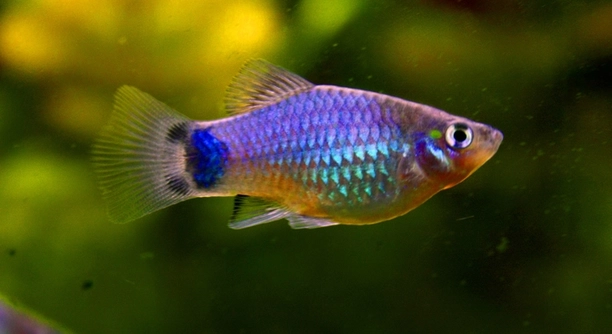
Is your platy remaining still right after feeding? Many fish owners notice this behavior and wonder if it’s normal or a cause for concern. Understanding why platys act this way can help you better care for your aquatic pet.
A platy often stays still after feeding because it is digesting its food. This resting behavior helps conserve energy and allows the fish’s body to focus on breaking down nutrients efficiently. Such inactivity is typical and usually not a sign of illness.
Learning about this natural response will help you feel more confident in recognizing healthy fish habits and knowing when to take action.
Why Do Platys Stay Still After Feeding?
After eating, platys often become less active and stay still for a while. This is because digestion takes a lot of energy. When a platy eats, its body redirects energy to break down food properly. Staying still helps the fish avoid unnecessary movement, which could slow digestion or cause stress. This resting period allows their digestive system to work efficiently and absorb nutrients well. It is a natural and healthy part of their routine. Most of the time, this stillness lasts anywhere from a few minutes to an hour, depending on the amount and type of food they ate. Watching your platy during this time is a good way to understand its normal behavior and ensure it feels safe and comfortable in the tank.
This still period is normal and should not be confused with illness or lethargy.
Understanding how platys rest after feeding can help you create a better feeding schedule that supports their health and activity levels.
How Tank Conditions Affect Platy Behavior
Tank conditions, like water quality and temperature, have a direct impact on how your platy behaves after eating. If the water is too cold or dirty, the fish might stay still longer because their metabolism slows down or they feel stressed. Platys prefer water between 72 and 78 degrees Fahrenheit and clean, well-filtered environments. Poor water conditions make digestion harder and can cause your platy to lose energy. Monitoring the tank regularly and maintaining a stable environment helps your fish digest properly and stay active. You should also avoid overfeeding, as leftover food can pollute the water, affecting your platy’s health. Good tank care supports natural behavior, including the normal rest period after feeding.
A healthy tank encourages your platy to digest food comfortably and remain active.
By ensuring ideal water temperature, cleanliness, and feeding habits, you support your platy’s natural behavior and overall well-being. Regular testing and cleaning routines prevent problems that might cause your fish to stay still longer than necessary.
Common Health Issues That Cause Inactivity
Sometimes, a platy stays still after feeding due to health problems. Illnesses like swim bladder disorder or parasites can cause weakness and inactivity.
Swim bladder disorder affects a fish’s ability to swim properly. This condition can make your platy float awkwardly or lie still on the tank bottom. It often happens because of overfeeding or eating unsuitable food. Parasites can also weaken your fish, causing it to rest more than usual. Signs of illness include rapid breathing, faded colors, or clamped fins. If you notice these symptoms alongside stillness, it’s best to test the water and consider treatment.
Prompt attention to health issues improves your platy’s chances of recovery. Keeping the tank clean and feeding a balanced diet helps prevent many common diseases.
Feeding Habits That Influence Activity
Feeding frequency and portion size directly affect a platy’s activity after eating. Overfeeding can lead to bloating and sluggishness, causing the fish to stay still longer than normal. Small, frequent meals are better for maintaining steady energy levels.
Choosing high-quality food that suits your platy’s dietary needs supports digestion and overall vitality. Foods rich in fiber help prevent constipation and swim bladder problems. Also, avoid feeding your platy too late in the day, as it may disrupt its natural rest patterns. Watching how your fish reacts to different feeding schedules helps you find the best routine for its health and activity. A well-planned feeding strategy keeps your platy energetic and reduces post-meal inactivity.
Stress and Its Impact on Platy Activity
Stress can cause your platy to stay still after feeding. Changes in the tank or aggressive tank mates increase stress levels.
Stress slows digestion and weakens the immune system. Keeping a calm environment helps your platy feel safe and active.
Signs to Watch For
Look for changes in swimming, appetite, and color. These signs can indicate health or stress issues affecting your platy’s behavior.
Improving Tank Environment
Regular cleaning and stable water conditions reduce stress and promote natural behavior. Proper filtration and avoiding overcrowding are important for a healthy tank.
When to Seek Help
If your platy remains inactive for long periods or shows illness signs, consult a vet or experienced aquarist for advice.
FAQ
Why is my platy motionless right after feeding?
After eating, platys often rest to digest their food. This stillness helps them conserve energy and focus on breaking down nutrients. It is a normal behavior and usually nothing to worry about unless accompanied by other signs of illness.
How long should a platy stay still after eating?
Typically, a platy will stay still for a few minutes up to an hour after feeding. The exact time depends on how much they ate and the type of food. If the inactivity lasts much longer or looks unusual, it may be a sign of health problems.
Can overfeeding cause my platy to become inactive?
Yes, overfeeding can lead to bloating and digestive issues, which make your platy sluggish. Feeding small, balanced portions helps avoid this. Leftover food can also pollute the tank and affect fish health, so avoid giving too much at once.
What tank conditions affect my platy’s activity?
Water temperature, cleanliness, and quality all impact your platy’s behavior. Platys thrive in clean water with temperatures between 72 and 78 degrees Fahrenheit. Poor water conditions stress the fish and slow metabolism, causing extended inactivity after feeding.
Could illness cause my platy to stay still?
Health problems like swim bladder disease or parasites can make your platy weak and inactive. Watch for additional symptoms such as difficulty swimming, faded colors, or loss of appetite. If these appear, testing water and treatment might be necessary.
How can I reduce stress for my platy?
Avoid sudden changes in the tank, keep compatible tank mates, and provide hiding spots. Stress weakens digestion and causes fish to stay still. A calm, stable environment helps your platy feel secure and behave naturally.
Is it normal for my platy to float or lie on the bottom after eating?
Yes, resting on the tank bottom or floating calmly is common as they digest. But if your platy struggles to swim or floats awkwardly, it could signal swim bladder issues or other health concerns.
What kind of food is best to prevent inactivity?
High-quality flake food, supplemented with occasional live or frozen foods like brine shrimp, supports good digestion. Fiber-rich foods help prevent constipation and swim bladder problems that cause lethargy.
How often should I feed my platy?
Feeding once or twice a day with small portions is best. This keeps digestion steady and reduces the risk of bloating or leftover food buildup. Overfeeding leads to inactivity and poor water quality.
When should I see a vet for my platy?
If your platy stays inactive for more than a day, shows abnormal swimming, or loses appetite, it is time to seek professional advice. Early intervention improves recovery chances and overall health.
Can changing water too often stress my platy?
Frequent or large water changes can stress your fish. Aim for regular partial water changes, about 20-30% weekly, to keep the tank clean while maintaining stable water parameters.
Why does my platy sometimes refuse food and stay still?
Loss of appetite and stillness can be caused by stress, poor water quality, or illness. Observing other symptoms and checking tank conditions will help identify the issue and improve your platy’s wellbeing.
Does tank size affect my platy’s activity?
Yes, a cramped tank limits swimming space and can cause stress, leading to inactivity. A tank of at least 10 gallons is recommended for a few platys to allow natural movement and reduce stress.
How can I tell if my platy is stressed?
Signs of stress include hiding, rapid breathing, color fading, and staying still longer than usual. Addressing the causes such as water quality or tank mates helps your fish return to normal activity.
What should I do if my platy shows swim bladder problems?
Try fasting your platy for a day or two, then feeding cooked, peeled peas to ease digestion. If symptoms continue, consult a vet. Proper feeding and tank care prevent many swim bladder issues.
Final Thoughts
Understanding why your platy stays still after feeding is important for keeping it healthy and happy. Most of the time, this behavior is perfectly normal. Platys rest to help digest their food and save energy, which is a natural part of their daily routine. Knowing this can help you feel less worried when you see your fish resting quietly in the tank after a meal. It also reminds you that not every period of inactivity means something is wrong.
However, it is important to pay attention to other signs that could point to health issues. If your platy stays still for too long, shows unusual swimming, or has faded colors, it may be struggling with illness or stress. These signs should not be ignored. Maintaining good water quality, feeding the right food in proper amounts, and providing a calm environment are key steps to avoid problems. Taking care of these basics makes a big difference in how active and healthy your platy will be.
Lastly, regular observation is a simple but powerful way to keep your platy in good shape. Watching how it behaves after feeding, how it swims, and how it responds to changes in the tank helps you catch any issues early. If you notice worrying changes, it’s best to act quickly, whether that means adjusting feeding habits, cleaning the tank, or consulting a professional. With a little attention and care, your platy can live a comfortable and active life, making your aquarium a pleasant and lively place.

Hello,
If you enjoy the content that we create, please consider saying a "Thank You!" by leaving a tip.
Every little bit helps us continue crafting quality advice that supports the health, happiness, and well-being of pets around the world, for pets of all shapes, sizes, and species.
We really appreciate the kindness and support that you show us!