
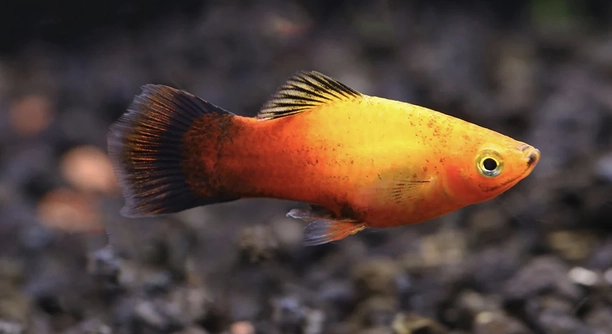
Floating plants are a popular addition to many freshwater aquariums. They add natural beauty and help create a balanced environment for fish like platies. These plants float on the surface, offering unique benefits that improve aquarium life.
Floating plants provide shade, reduce algae growth, and improve water quality by absorbing excess nutrients. They also offer hiding spots, lower stress for platies, and help maintain stable water conditions, contributing to the overall health and well-being of the fish.
Understanding the advantages of floating plants can help enhance your aquarium setup. The following points explain why these plants are valuable for keeping platies healthy and comfortable.
Natural Shade and Light Control
Floating plants create natural shade by covering the water surface, which helps regulate light entering the aquarium. This is important because too much light can lead to excessive algae growth, which affects water quality and the health of platies. The shade also mimics the natural environment of platies, making them feel more secure. By softening the light, floating plants reduce stress for the fish, which can lead to better behavior and overall health. This shade helps keep water temperatures stable by limiting direct sunlight exposure, preventing temperature spikes. In addition, the gentle dappled light from floating plants supports the growth of beneficial microorganisms that contribute to a healthy aquarium ecosystem. The presence of floating plants helps create a more balanced environment that supports the needs of platies while making the aquarium look more natural and appealing.
Shaded areas reduce stress and temperature fluctuations, creating a comfortable living space for platies.
Floating plants act as natural light filters. By blocking harsh light and controlling brightness, they keep platies calmer. This balance helps prevent rapid algae growth caused by too much light, maintaining a clean and healthy tank. The plants also provide resting spots where fish can retreat from bright areas, supporting their well-being and natural behavior. Overall, natural shade is a simple way to improve the aquarium environment for platies.
Improved Water Quality
Floating plants help improve water quality by absorbing excess nutrients such as nitrates and phosphates from the water. These nutrients often come from leftover food, fish waste, and decaying plant matter. Without proper removal, high nutrient levels can encourage algae blooms, which degrade water conditions. Floating plants compete with algae for nutrients, reducing their growth and keeping the water clearer. Their roots also provide surface areas for beneficial bacteria to grow, which aids in breaking down harmful substances. This process supports the nitrogen cycle and helps maintain a stable environment. In addition, the plants oxygenate the water during photosynthesis, benefiting the fish and other aquatic life. With regular care, floating plants serve as natural filters that enhance water quality, making the tank healthier for platies.
Good water quality promotes healthier fish and reduces maintenance needs.
Maintaining clean water is essential for platies. Floating plants absorb waste nutrients and limit algae growth, creating a balanced ecosystem. This helps avoid harmful spikes in toxins and keeps fish comfortable. The roots support beneficial bacteria, further improving water conditions. Overall, floating plants contribute to a safer, cleaner aquarium environment.
Natural Hiding Places
Floating plants offer excellent hiding spots for platies, helping them feel safe and secure. The leaves create shaded areas where shy or stressed fish can retreat, reducing aggression and anxiety in the tank.
These hiding places are important for platies’ well-being. When fish have a safe space, they are less likely to become stressed, which supports their immune system and overall health. Floating plants provide cover from bright light and other fish, creating calm zones within the aquarium. This natural shelter encourages natural behaviors like resting and breeding. Platies feel more confident and relaxed, leading to a more peaceful tank environment.
Besides reducing stress, the plants’ roots offer additional shelter for smaller fish or fry. These dense root systems provide a safe nursery area where young fish can avoid predators. This makes floating plants beneficial for breeding and raising healthy offspring in a home aquarium.
Oxygen Production and Circulation
Floating plants contribute to oxygen production through photosynthesis, which is vital for maintaining healthy water conditions. They release oxygen during the day, improving the overall environment for platies.
In addition to oxygen, floating plants help improve water circulation. Their movement on the water surface encourages gentle water flow, which prevents stagnation. This circulation supports gas exchange at the surface, allowing excess carbon dioxide to escape and fresh oxygen to enter. Healthy oxygen levels support fish respiration and the activity of beneficial bacteria, contributing to a balanced ecosystem.
This improved oxygenation reduces the risk of low-oxygen zones in the tank, especially in crowded or heavily stocked aquariums. Floating plants help maintain stable oxygen levels, promoting energy and vitality in platies. Their presence contributes to a healthier, more natural aquarium system.
Algae Control
Floating plants help control algae by competing for the same nutrients algae need to grow. This natural competition limits algae growth, keeping the tank cleaner and clearer.
By reducing algae, floating plants also prevent cloudy water and slippery surfaces. This creates a healthier environment for platies and makes maintenance easier.
Enhanced Aesthetic Appeal
Floating plants add texture and natural beauty to an aquarium. Their presence softens the look of hard surfaces and equipment, making the tank more visually appealing and calming.
Temperature Regulation
Floating plants provide insulation by shading the water surface, helping to keep temperatures more stable. This is important for platies, which thrive in steady, moderate conditions.
What types of floating plants are best for platies?
Platies do well with a variety of floating plants. Common choices include duckweed, water lettuce, frogbit, and salvinia. These plants offer good coverage without overcrowding the tank. They are easy to maintain and provide the shade and shelter platies need. Duckweed grows quickly and forms a dense mat, while frogbit has larger leaves that float comfortably. Water lettuce adds a decorative touch with its rosette shape. Salvinia is a small fern-like plant that grows in clusters. Each of these plants helps improve water quality and creates natural hiding spots, making them great for platies. It’s best to choose plants that suit your tank size and lighting conditions.
How do floating plants affect water parameters?
Floating plants absorb excess nutrients like nitrates and phosphates, which helps reduce algae growth and improves water clarity. They can slightly lower water temperature by shading the surface and reducing light penetration. These plants also contribute oxygen during photosynthesis, mainly in daylight hours. However, at night, plants consume oxygen, so it’s important not to overstock the tank with floating plants to avoid oxygen drops. Floating plants usually help stabilize pH levels by providing a natural environment, but it’s good to monitor parameters regularly. Overall, their presence promotes a healthier and more balanced aquarium ecosystem.
Can floating plants harm platies in any way?
Floating plants generally do not harm platies; they benefit the fish in many ways. However, too many floating plants can block light and reduce oxygen levels, which might stress the fish. Overgrowth can also limit swimming space. It’s important to manage plant density by trimming and thinning regularly. Make sure plants do not cover the entire surface, allowing some light and air exchange. Also, avoid using floating plants treated with chemicals or pesticides. When cared for properly, floating plants create a safe, healthy environment that supports platies’ well-being.
How often should I clean or maintain floating plants?
Floating plants need regular maintenance to keep them healthy and prevent overcrowding. Removing dead or decaying leaves weekly helps maintain water quality. Depending on growth rates, thinning or harvesting plants every two weeks is usually enough. This prevents mats from becoming too thick and blocking light. You may also need to clean roots if they collect debris. Maintaining a balance between plant growth and tank size ensures that platies continue to benefit from their presence without issues. Regular monitoring is the key to successful plant care.
Do floating plants affect feeding behavior in platies?
Floating plants provide natural cover, which can make platies feel more secure during feeding. This often encourages natural foraging behavior as they nibble around plant roots and leaves. Some floating plants produce tiny microorganisms that fish may consume as additional food. However, dense plant mats can make it harder to see food falling into the tank. It may require more careful feeding to ensure all fish get enough. Overall, floating plants create a relaxed environment that supports healthy feeding habits.
Are floating plants suitable for breeding platies?
Yes, floating plants are excellent for breeding platies. They provide hiding spots for fry, protecting them from adult fish that might eat them. The dense root systems offer shelter where young fish can find refuge. Floating plants also improve water quality, which supports healthy development of eggs and fry. They create a calm environment that reduces stress for breeding adults. Many breeders recommend including floating plants in breeding tanks for these benefits.
Can floating plants survive in all aquarium types?
Floating plants generally do well in freshwater aquariums with moderate lighting and stable water conditions. They thrive best in tanks without strong water currents, as fast flow can damage delicate leaves and roots. Some species tolerate a wider range of temperatures and water chemistries better than others. For example, duckweed grows quickly in most conditions, while water lettuce prefers warmer temperatures. It’s important to research the specific plant species to match your tank setup. Floating plants are not suitable for saltwater tanks, as most cannot tolerate high salinity.
How do floating plants interact with other aquarium plants?
Floating plants mainly affect surface light levels, which can influence the growth of submerged plants below. They reduce the amount of direct light reaching lower plants, which might slow their growth if lighting is already low. However, in well-lit tanks, floating plants can coexist without problems. Their roots do not compete much with rooted plants since they stay on the surface. Floating plants can also provide natural shade that benefits shade-loving species. Balancing floating and rooted plants helps maintain a healthy and diverse aquarium environment.
Floating plants offer many practical benefits for keeping platies healthy and comfortable in an aquarium. They provide natural shade, reduce algae growth, improve water quality, and create hiding spots that help lower fish stress. Their ability to produce oxygen during the day and support beneficial bacteria makes them valuable additions to any tank. With these advantages, floating plants help create a balanced environment that mimics natural habitats and supports the well-being of platies.
It is important to manage floating plants properly to maintain a healthy aquarium. Overgrowth can cause problems such as blocking too much light and reducing oxygen at night, which can stress fish. Regular trimming and thinning keep the plants from covering the entire surface and allow for good water circulation and air exchange. Choosing the right types of floating plants and monitoring water parameters also ensure they remain beneficial. When cared for correctly, floating plants provide long-term benefits that enhance both the appearance and health of the aquarium.
Adding floating plants can be a simple, effective way to improve your platies’ habitat. Their natural functions help reduce maintenance efforts by controlling algae and improving water quality. They offer visual appeal and enrich the environment with shelter and shade. Overall, floating plants play an important role in creating a more stable and comfortable home for platies. With proper care, they are a worthwhile addition that supports the needs of both the fish and the aquarium ecosystem.

Hello,
If you enjoy the content that we create, please consider saying a "Thank You!" by leaving a tip.
Every little bit helps us continue crafting quality advice that supports the health, happiness, and well-being of pets around the world, for pets of all shapes, sizes, and species.
We really appreciate the kindness and support that you show us!