
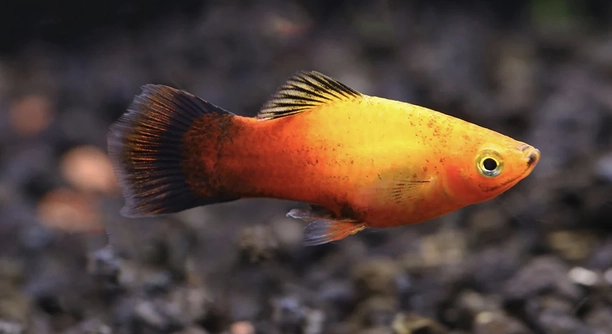
Platies are popular freshwater fish known for their vibrant colors and peaceful nature. Many owners enjoy watching their playful swimming and interaction within home aquariums. Sometimes, these fish exhibit unusual behaviors, such as scratching against rocks or tank surfaces.
Scratching behavior in platies is often a sign of irritation caused by parasites, skin infections, or poor water quality. It can also indicate discomfort from sharp or rough tank decorations. Addressing these factors promptly is essential to maintain the fish’s health and prevent further harm.
Recognizing the causes behind this behavior can help improve your platy’s environment and well-being. This article will provide insights into common triggers and practical steps to help your fish stay comfortable and healthy.
Common Causes of Scratching Behavior in Platies
Platies may scratch against rocks or tank surfaces for several reasons. Parasites such as ich or flukes can irritate their skin, prompting them to rub against rough surfaces to relieve discomfort. Poor water quality, including high ammonia or nitrate levels, can also cause skin irritation. Additionally, sharp or rough decorations may injure their delicate fins or bodies, leading to scratching. Stress from overcrowding or sudden changes in water temperature might further increase this behavior. It is important to regularly test water parameters and inspect your tank for any signs of parasites or damage. Keeping the environment clean and stable can prevent many of these issues. If scratching persists, closer examination or veterinary advice might be necessary to identify hidden problems affecting your platy’s health.
Addressing these factors early reduces the risk of infection and helps maintain your fish’s overall well-being.
Proper care includes regular water changes, smooth tank decorations, and monitoring fish behavior to ensure a safe habitat.
How to Improve Your Platy’s Environment
Improving your platy’s tank environment can significantly reduce scratching behavior. Start by testing water quality frequently to maintain safe levels of ammonia, nitrites, and nitrates. Perform partial water changes to keep water fresh and balanced. Replace or smooth any rough rocks or decorations that could injure your fish. Avoid overcrowding the tank to reduce stress and allow your platies enough space to swim freely. Monitor your fish for any signs of disease, and isolate sick fish if necessary to prevent spreading infections. Using a gentle aquarium salt treatment can also help reduce parasites and soothe irritated skin. Maintaining stable water temperature and a consistent feeding schedule contributes to overall fish health. By creating a clean and comfortable habitat, you can help your platy avoid behaviors caused by discomfort or irritation.
Signs of Parasites and Skin Infections
Parasites and skin infections often cause platies to scratch against surfaces. Look for white spots, redness, or frayed fins as common indicators of trouble.
These signs point to potential infections like ich or flukes. White spots are typical of ich, while redness and inflamed patches suggest bacterial or fungal infections. Frayed fins can result from constant rubbing or secondary infections. Sometimes, lethargy or loss of appetite may accompany these symptoms, signaling a deeper issue. Early detection helps prevent serious health problems. Treating infections quickly improves recovery chances and prevents spread to other tank inhabitants. Keeping a close eye on your platy’s behavior and appearance can alert you to these problems early.
Regular observation and prompt action are key to managing these health issues in your aquarium.
The Role of Tank Decorations and Substrate
Rough or sharp decorations and substrates can cause physical damage to platies, encouraging scratching behavior. Smooth decorations reduce injury risk.
Certain rocks or gravel with sharp edges may scratch or irritate a platy’s skin and fins. Over time, these minor injuries can worsen, increasing the fish’s need to rub against surfaces. Selecting smooth, rounded stones and fine gravel can minimize harm. Plastic or ceramic decorations designed for aquariums also offer safer alternatives. Avoid overcrowding the tank with decorations, as limited swimming space adds stress, which can worsen skin issues. Proper tank setup includes safe materials and adequate space, creating a comfortable environment for your platies to thrive.
Maintaining a safe habitat helps reduce scratching caused by physical discomfort and supports overall fish health.
Stress and Its Impact on Scratching
Stress can cause platies to scratch more frequently. Changes in water conditions, overcrowding, or aggressive tank mates often increase stress levels.
High stress weakens a platy’s immune system, making it more vulnerable to infections and parasites. Reducing stress by stabilizing the environment is crucial for their health.
Monitoring Water Quality Regularly
Keeping water parameters stable helps prevent skin irritation. Frequent testing for ammonia, nitrite, and nitrate is essential to maintain a healthy tank environment.
Proper Nutrition Supports Skin Health
A balanced diet rich in vitamins strengthens the skin and immune system, helping platies resist infections and irritations.
When to Seek Professional Help
If scratching persists despite improvements, consult a veterinarian experienced with fish for accurate diagnosis and treatment options.
FAQ
Why is my platy scratching against the rocks?
Platies scratch against rocks mainly because they feel irritated or uncomfortable. This can happen due to parasites, skin infections, or rough surfaces in the tank. Poor water quality or stress can also cause this behavior. Scratching is their way of trying to relieve discomfort.
How can I tell if my platy has parasites?
Look for small white spots, red patches, or unusual marks on your platy’s body. These signs often indicate parasites like ich or flukes. Your fish might also seem restless, rub more often, or show changes in appetite or energy levels. Catching these signs early is important for effective treatment.
What water parameters should I check to keep my platy healthy?
Test ammonia, nitrite, and nitrate levels regularly. Ammonia and nitrite should always be zero, while nitrates should stay below 20 ppm. Also, maintain a stable temperature between 72°F and 78°F. Proper pH levels around 7.0 to 8.2 are ideal. Good water quality prevents irritation and diseases.
Can rough tank decorations harm my platy?
Yes, sharp or rough decorations can injure your platy’s delicate fins and skin. These injuries might cause the fish to scratch more as they try to soothe the discomfort. Using smooth rocks, rounded gravel, or aquarium-safe decorations helps prevent this problem.
What role does stress play in scratching behavior?
Stress lowers your platy’s immunity and can increase scratching. Causes of stress include sudden changes in water conditions, overcrowding, aggressive tank mates, or loud noises near the aquarium. Reducing these stress factors helps your fish stay healthier and less irritated.
How often should I change my tank water?
Partial water changes of about 20-30% every week are recommended. This helps remove waste, excess nutrients, and toxins that can irritate your fish. Regular water changes keep the environment clean and stable, reducing the chances of scratching due to poor water quality.
Is diet important for preventing scratching?
Yes, feeding your platy a balanced diet with vitamins supports skin health and immunity. High-quality flakes, pellets, and occasional live or frozen foods provide the nutrients needed. Proper nutrition helps your fish resist infections and reduces scratching caused by skin problems.
When should I consider using medication?
Medication is necessary if parasites or infections are confirmed by visible signs or persistent scratching. Treatments like anti-parasitic or antibacterial medicines can help clear infections. Always follow dosage instructions carefully and remove activated carbon from filters during treatment.
Can scratching be a sign of something serious?
Yes, excessive scratching can indicate serious issues like bacterial infections or parasites. If the behavior continues after fixing water quality and tank setup, it’s best to seek professional advice. Early intervention can prevent lasting harm or death.
How do I isolate a sick platy?
Use a separate hospital tank with clean, conditioned water. Keep the temperature and conditions similar to the main tank to reduce stress. Isolation helps prevent the spread of disease and makes treatment easier. Monitor the sick fish closely until recovery.
What tank mates are best for platies to reduce stress?
Choose peaceful fish like guppies, mollies, or tetras that won’t bully or stress platies. Avoid aggressive or very large fish that may frighten them. A calm community tank helps reduce stress-induced behaviors like scratching.
Can water hardness affect my platy’s health?
Platies prefer moderately hard water. Too soft or too hard water can stress them, potentially causing skin problems and scratching. Aim for general hardness (GH) between 10-20 dGH and carbonate hardness (KH) around 3-10 dKH for a balanced environment.
What signs mean my platy is recovering from skin issues?
Look for reduced scratching, clear skin without spots or redness, and normal swimming behavior. Appetite should return to normal, and fins should appear intact without fraying. Consistent improvement over several days usually means recovery is underway.
How can I prevent scratching in the future?
Maintain good water quality through regular testing and changes. Use smooth decorations and avoid overcrowding. Feed a nutritious diet and monitor your fish for early signs of illness. Keeping stress low and tank conditions stable is key to prevention.
Is scratching always caused by illness?
Not always. Sometimes platies scratch simply because of mild irritation or natural behavior. However, frequent or intense scratching usually signals a health or environmental problem. Careful observation helps distinguish between normal behavior and something needing attention.
Final Thoughts
Platies are generally hardy fish, but scratching against rocks is a clear sign that something in their environment may be causing discomfort. Whether it’s parasites, rough tank decorations, poor water quality, or stress, this behavior should not be ignored. Paying close attention to your fish’s environment and condition helps catch problems early. Simple steps such as testing water parameters regularly, providing smooth decorations, and avoiding overcrowding can go a long way in preventing scratching and related health issues. Being proactive about care ensures your platy stays healthy and comfortable in its aquarium.
Addressing the causes of scratching promptly is important to avoid further complications. Parasites and infections can worsen if left untreated, and rough surfaces can cause lasting damage to delicate fins and skin. Stress can also weaken a platy’s immune system, making it more susceptible to illness. Keeping the tank clean, stable, and safe, along with providing a balanced diet, supports overall fish health. If scratching continues despite these efforts, seeking professional advice is the best course of action to ensure your fish receives the proper treatment.
Ultimately, maintaining a healthy aquarium environment benefits not only your platy but all the inhabitants in the tank. Consistent monitoring and care help create a stable, low-stress habitat where fish can thrive. Understanding the reasons behind scratching behavior allows you to take the necessary steps to improve your platy’s comfort and well-being. With patience and attention, your fish can enjoy a healthier and happier life in its home.

Hello,
If you enjoy the content that we create, please consider saying a "Thank You!" by leaving a tip.
Every little bit helps us continue crafting quality advice that supports the health, happiness, and well-being of pets around the world, for pets of all shapes, sizes, and species.
We really appreciate the kindness and support that you show us!