
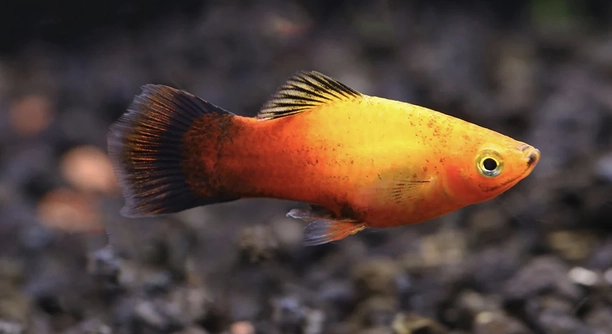
Platies are popular freshwater fish known for their peaceful nature and vibrant colors. Many aquarium enthusiasts enjoy keeping them as part of a community tank. Changes in their environment, like rearranging the tank, can affect their behavior.
Platies can exhibit signs of confusion or stress when their tank environment changes abruptly. Sudden alterations to tank layout or decor may disrupt their established routines and cause temporary disorientation. Gradual adjustments help minimize stress and support their well-being.
Understanding how platies respond to tank changes is important for maintaining a healthy aquarium. Exploring this topic can help ensure a stable environment for these lively fish.
How Platies React to Tank Changes
Platies are creatures of habit, and they quickly get used to their tank’s layout and inhabitants. When you make changes like moving plants, decorations, or adding new fish, platies may react with caution or hesitation. They rely on familiar surroundings for safety and comfort, so sudden shifts can cause them to swim nervously or hide more than usual. This behavior is a natural response to uncertainty, not a sign of illness. Over time, platies usually adjust as they explore the new environment and re-establish their territories. Providing plenty of hiding spots and keeping changes gradual helps reduce stress. Watching their behavior after a change gives clues about how well they are coping, allowing you to make adjustments if needed. With patience, platies can adapt to a refreshed tank without lasting confusion or harm.
Adjustments to tank conditions should always be slow and steady to prevent unnecessary stress.
Observing platies’ reactions closely during transitions is essential for maintaining their health. If they show signs of ongoing stress like loss of appetite or constant hiding, it may indicate they need more time or a less drastic change. Creating a stable environment with gradual modifications helps platies feel secure and thrive. Avoid rearranging too often or too quickly, and keep water parameters consistent to support their well-being. A peaceful tank is one where platies feel safe enough to swim confidently and interact normally with tank mates. Knowing their limits helps maintain a calm and balanced aquarium.
Signs of Confusion and Stress in Platies
Platies may display subtle signs when they feel confused or stressed by changes.
Common signs include erratic swimming, hiding more often, and reduced feeding. These behaviors show they are unsettled by something unfamiliar. Stress can weaken their immune system, making them prone to illness. Ensuring water quality remains stable during tank changes is critical. Keep the tank clean and monitor parameters like temperature, pH, and ammonia levels closely. Stress-related behaviors usually decrease once platies become comfortable again. Patience and a calm approach help them adjust faster. Minimizing sudden changes and providing familiar hiding spots will keep them feeling secure. Paying attention to their reactions lets you better support their needs through transitions. Maintaining a steady routine benefits platies’ overall health and happiness.
How to Help Platies Adjust to Tank Changes
Providing hiding places helps platies feel safe after changes. Plants, caves, or decorations offer shelter during adjustment periods.
Gradual changes in the tank setup reduce stress. Instead of moving everything at once, rearrange one section at a time. This allows platies to explore and get used to the new environment step by step. Maintaining consistent water conditions is equally important, as sudden fluctuations can add to their stress. Feeding on a regular schedule also reassures them that life remains stable. Monitoring their behavior during changes helps identify if further adjustments are necessary.
Using gentle lighting and avoiding loud noises around the tank also supports a calm atmosphere. A quiet environment lets platies explore confidently without added pressure. Keeping the tank clean and well-maintained promotes their overall health, helping them bounce back quicker from disruptions. Small, thoughtful steps in tank management make a big difference in how well platies handle change.
Common Mistakes That Increase Stress in Platies
Sudden or frequent tank rearrangements often confuse platies and increase stress levels.
Ignoring water quality changes during modifications can cause health problems. Poor water conditions, combined with tank changes, worsen stress and may lead to illness. Adding too many new fish at once also overwhelms platies, making it harder for them to adapt. Lack of hiding places leaves them vulnerable and anxious. Overfeeding after a change can degrade water quality, further stressing fish. It is best to make small, careful changes, test water regularly, and introduce new tank mates slowly. Creating a stable, comfortable environment helps platies stay healthy and reduces signs of confusion or fear during tank changes.
Preparing Your Tank for Changes
Before making any changes, test the water parameters to ensure stability. Stable water conditions help platies handle adjustments better.
Plan changes carefully and make them slowly. This approach minimizes sudden stress and helps fish adapt without confusion.
Monitoring Behavior After Changes
Observe platies closely for signs of stress such as hiding or erratic swimming. Early detection allows for quick intervention.
Regularly check feeding habits. A drop in appetite may indicate ongoing discomfort or stress related to the new environment.
The Role of Tank Mates
Platies rely on peaceful tank mates for a calm environment. Aggressive or overly active fish can increase stress and confusion.
Choose compatible species that do not compete aggressively for space or food. A balanced community promotes stability and reduces tension in the tank.
Consistency is Key
Keeping a steady routine for feeding, lighting, and maintenance supports platies’ sense of security. Consistency helps reduce stress during changes.
FAQ
Can platies recognize their tank environment?
Platies quickly become familiar with their surroundings. They use visual landmarks and routines to feel secure. When their tank layout changes, it may take them some time to reorient and explore. Familiar objects help reduce their stress and confusion. Providing stable surroundings supports their comfort.
How long does it take for platies to adjust after tank changes?
Adjustment time varies, but generally platies begin settling within a few days. More significant changes, like rearranging most decorations or adding new fish, may require a week or more. Patience is important, as pushing the fish too fast can increase stress. Observing their behavior helps determine if they are adapting well.
What behaviors indicate platies are stressed or confused?
Signs include hiding excessively, swimming erratically, or reduced appetite. Some platies may become less active or stay near the surface or tank corners. These behaviors usually indicate discomfort with the environment. If stress persists, it might be necessary to reverse recent changes or improve water quality.
Is it safe to rearrange the tank often?
Frequent, sudden changes can unsettle platies. They thrive in stable conditions, so it’s best to minimize how often you rearrange decorations or plants. When changes are necessary, doing them gradually helps platies adjust without confusion or stress.
Do platies get along better with certain tank mates during changes?
Yes, peaceful tank mates that are not overly aggressive or territorial help platies feel secure. Aggressive fish increase stress, especially during periods of change. Suitable companions include small tetras, mollies, and peaceful bottom dwellers. A calm community reduces confusion and promotes well-being.
Can poor water quality worsen platies’ reaction to changes?
Absolutely. Platies are sensitive to water conditions, and poor water quality adds stress. When combined with tank rearrangements or new additions, this can lead to illness or erratic behavior. Regular water testing and maintenance are crucial to keep platies healthy during transitions.
How can I help platies feel safe when introducing new fish?
Introduce new fish slowly and monitor interactions closely. Provide hiding spots so platies can escape if needed. Avoid overcrowding the tank. Keeping water parameters stable before and after introductions reduces stress for all fish involved.
Do platies remember stressful experiences in their tank?
Platies have simple memory and can associate certain areas or events with stress. If a specific part of the tank caused discomfort, they might avoid it temporarily. Over time, they usually overcome these memories as they adjust to the environment and routines.
Should lighting changes be gradual during tank adjustments?
Yes. Sudden changes in lighting can confuse platies and increase stress. Gradually adjusting brightness or photoperiod helps them adapt. Keeping a consistent light schedule supports normal behavior and feeding patterns.
What role does diet play in reducing stress during tank changes?
Feeding a balanced diet regularly reassures platies that their needs are met, which lowers stress. Avoid overfeeding, as excess food can degrade water quality. Providing quality food supports their immune system, helping them handle changes more effectively.
Platies are generally adaptable fish, but changes in their tank environment can cause temporary confusion and stress. Their behavior often reflects how comfortable they feel with new surroundings. When their tank layout is altered suddenly or drastically, they may react by hiding more, swimming nervously, or eating less. These responses are natural and usually short-lived if the changes are managed carefully. Ensuring a stable and familiar environment helps platies adjust more quickly, which supports their overall health and happiness. Keeping tank changes gradual and consistent is important for reducing any confusion they might experience.
A key part of helping platies cope with changes involves maintaining good water quality and a calm tank environment. Stress caused by poor water conditions can worsen their reaction to rearrangements or new tank mates. Regular testing and upkeep of water parameters like temperature, pH, and ammonia levels play a vital role in keeping platies healthy. Providing hiding spots and keeping a predictable routine with feeding and lighting also contributes to their sense of security. When platies feel safe and their basic needs are met, they handle change better and show less stress-related behavior.
Ultimately, understanding how platies respond to tank changes allows for better care and a more peaceful aquarium. Observing their behavior closely after adjustments helps identify if further action is needed to support their well-being. While it is normal for platies to show signs of confusion or discomfort initially, these reactions usually improve over time with a stable environment. Taking small, thoughtful steps when updating their tank minimizes stress and creates a comfortable habitat where platies can thrive. This careful approach benefits both the fish and the aquarium keeper, making the experience more rewarding and enjoyable.

Hello,
If you enjoy the content that we create, please consider saying a "Thank You!" by leaving a tip.
Every little bit helps us continue crafting quality advice that supports the health, happiness, and well-being of pets around the world, for pets of all shapes, sizes, and species.
We really appreciate the kindness and support that you show us!