
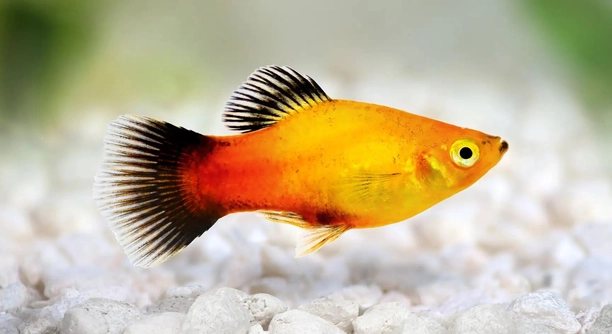
Platies are small, colorful fish often kept in home aquariums. Many fish owners notice their pets’ behavior and wonder if platies can form attachments to objects in their environment. Understanding this can help improve fish care and tank setup.
Research indicates that platies do not develop emotional attachments to objects in the way mammals do. Their behavior is mainly driven by instinct, such as seeking shelter or food, rather than forming bonds with inanimate items.
Learning about how platies interact with their surroundings can help create a more comfortable habitat for them. This article will explain their behavior and what it means for your aquarium.
How Platies Respond to Their Environment
Platies are naturally curious fish that explore their surroundings. They often swim around objects like plants, rocks, or decorations in their tank. These items provide hiding spots and security, which platies instinctively seek. However, their interaction with objects is practical rather than emotional. For example, they may use plants as shelter from light or other fish but do not recognize these objects as something to bond with. Their behavior is based on survival instincts, such as avoiding stress or predators. Platies may return to certain places in the tank out of habit or safety, but this is not the same as attachment. Understanding these behaviors helps aquarists create environments that support platies’ needs and reduce stress, ensuring healthier fish overall.
Platies mainly use objects as tools for comfort, not for emotional connection. Their behavior is straightforward and driven by instinct.
Creating an environment that meets platies’ basic needs is essential. Items like live plants or smooth decorations offer shelter and encourage natural behaviors. This reduces stress and supports well-being. Over time, platies may appear to “favor” certain areas, but this reflects safety preferences rather than attachment. Their brains are not wired to develop emotional bonds with objects like mammals or birds. Instead, platies respond to stimuli such as light, food, or movement. A well-maintained tank with diverse hiding places keeps them active and healthy, while bare tanks may cause stress and erratic behavior. Observing how platies interact with their environment allows owners to improve tank design and ensure a balanced habitat.
Signs of Comfort Versus Attachment
Platies showing comfort near objects do not imply emotional attachment. Their behavior signals safety and routine rather than affection.
When platies return to certain spots or rest near specific decorations, it reflects familiarity and security. Fish thrive in environments where they can predict shelter and escape routes. This comfort reduces stress and supports normal behaviors. However, this does not mean they form attachments like pets might with toys or blankets. Platies react to their environment through instinct, guided by factors such as light, water flow, and temperature. Recognizing these signs as comfort rather than attachment helps aquarists better meet their fish’s needs. Providing diverse structures and keeping water conditions stable encourages healthy behavior. Understanding the difference between attachment and survival-driven comfort can improve how owners care for platies and maintain their aquarium’s balance.
Factors Influencing Platies’ Behavior
Tank setup greatly affects how platies behave around objects. Proper hiding places reduce stress and encourage natural movement. Lighting and water flow also play roles in their comfort levels.
Platies rely heavily on their environment to feel secure. If a tank has plenty of plants, rocks, and decorations, platies will explore these areas and often rest near them. This behavior is about safety and routine. Bright lights or strong currents can make them avoid open spaces, pushing them closer to objects. Poor water quality or sudden changes may cause platies to hide more frequently. These environmental factors shape how platies interact with their tank, but this interaction should not be mistaken for emotional attachment.
Regular maintenance and careful tank design promote healthy behaviors. Observing platies’ preferences can guide adjustments to lighting, décor, and water conditions, improving their overall well-being. Encouraging natural instincts through the right environment is key to happy, active fish.
Comparing Platies to Other Fish Species
Different fish species show varying levels of attachment or comfort with objects. Platies tend to be more practical in their interactions.
Some fish, like cichlids, display stronger territorial behavior and may “guard” certain objects. Others, like bettas, often respond to specific items in their tank, sometimes showing recognition. Platies, however, prioritize shelter and safety without emotional bonding. Their behavior is simpler, focusing on survival needs rather than attachment. This difference highlights how species-specific traits affect tank behavior. Understanding these distinctions helps tailor aquarium care to each fish type, improving habitat design and interaction quality. Platies benefit most from stable, well-structured environments rather than emotionally stimulating setups.
Common Objects Platies Interact With
Platies often use plants, rocks, and tank decorations as shelter or resting spots. These objects help them feel secure and reduce stress.
They may also swim around objects to explore or hide from tank mates. Their interest is based on safety and instinct, not emotional attachment.
How Routine Affects Behavior
Platies quickly learn tank layouts and develop routines. This familiarity helps them feel safe and reduces anxiety in their environment.
Over time, they may visit the same spots repeatedly, which is a sign of comfort rather than attachment. Consistent tank conditions support these routines.
Impact of Tank Size on Interaction
Larger tanks provide more space for exploration and reduce stress. Platies in bigger tanks interact more naturally with objects.
A cramped tank limits movement and may cause platies to hide excessively, affecting their health and behavior.
Feeding and Object Association
Platies may associate objects with feeding times if food is regularly placed near decorations. This can create a conditioned response, not attachment.
FAQ
Can platies really get attached to objects in their tank?
Platies do not form emotional attachments to objects. Their behavior around plants, rocks, or decorations is based on instinctive needs like shelter and safety. They may return to certain places repeatedly because those spots offer protection or comfort, but this is not the same as attachment. Their interactions are practical, not emotional.
Why do platies spend a lot of time near certain decorations?
Platies use objects as hiding spots or places to rest. Spending time near a decoration usually means the area feels safe or familiar. This behavior helps reduce stress and supports their natural instincts to find shelter. If the tank environment is stable, platies will choose these spots to feel secure.
Do platies recognize their owners or react emotionally?
Platies have limited cognitive abilities compared to mammals or birds. While they can learn to associate feeding times or certain movements with food, they do not recognize owners as individuals or show emotional reactions. Their responses are more about routine and survival than affection.
Can platies become stressed if their favorite objects are removed?
Removing decorations that provide shelter or hiding places can cause stress. Platies rely on these objects for security, so sudden changes may make them anxious or cause them to hide more often. It is best to maintain a consistent tank setup to avoid unnecessary stress.
Is it necessary to provide objects for platies in a tank?
Yes, objects like plants and rocks are important for platies’ well-being. They offer shelter and allow fish to express natural behaviors such as exploring and hiding. Tanks without objects can cause stress and lead to unhealthy behaviors.
How does tank size influence platies’ interaction with objects?
In larger tanks, platies have more space to explore and access various hiding spots. This promotes natural behavior and reduces stress. Smaller tanks limit movement and may force platies to stay close to certain objects, which could increase stress and aggressive behavior.
Can platies learn to associate objects with feeding?
Platies can develop conditioned responses where they associate certain areas or objects with food delivery. For example, if food is consistently dropped near a particular decoration, platies may gather there in anticipation. This behavior is based on routine, not attachment.
Do different platy species behave differently around objects?
While all platies share similar basic instincts, slight behavioral differences can exist between species or strains. However, none are known to form emotional attachments to objects. Their behavior remains focused on safety and survival.
How can I tell if my platies are stressed?
Signs of stress include hiding excessively, erratic swimming, loss of appetite, or faded colors. Sudden changes in the tank environment, such as removal of decorations, poor water quality, or overcrowding, often cause stress. Providing a stable habitat with adequate shelter helps reduce these signs.
What steps improve a platy’s comfort in the tank?
Maintain stable water conditions and include a variety of objects like plants and rocks to offer shelter. Avoid sudden changes to tank layout. Provide enough space for swimming and hiding. Regular feeding schedules also create a secure environment for platies. These steps support natural behavior and reduce stress.
Final Thoughts
Platies are simple fish whose behavior is mainly driven by instinct rather than emotion. They do not form attachments to objects like pets such as dogs or cats might. Instead, their interest in plants, rocks, and decorations comes from a need for shelter and safety. These objects give them places to hide and feel secure, which is important for their well-being. When platies return to certain spots repeatedly, it is because they have found a comfortable area, not because they are emotionally connected to the object.
Creating a proper environment for platies is essential for their health and happiness. Providing plenty of hiding places and maintaining stable water conditions helps reduce stress and supports natural behaviors. Platies respond well to predictable surroundings and routines. They may become stressed if objects are removed suddenly or if the tank environment changes too often. Keeping the tank clean, well-structured, and consistent allows platies to thrive and behave naturally.
Understanding platies’ behavior helps aquarium owners provide better care. Recognizing that platies use objects for practical reasons rather than emotional attachment makes it easier to meet their needs. By focusing on shelter, safety, and routine, owners can create a comfortable and healthy habitat. This knowledge encourages a thoughtful approach to tank setup and maintenance, improving the overall experience for both the fish and the caretaker.

Hello,
If you enjoy the content that we create, please consider saying a "Thank You!" by leaving a tip.
Every little bit helps us continue crafting quality advice that supports the health, happiness, and well-being of pets around the world, for pets of all shapes, sizes, and species.
We really appreciate the kindness and support that you show us!