
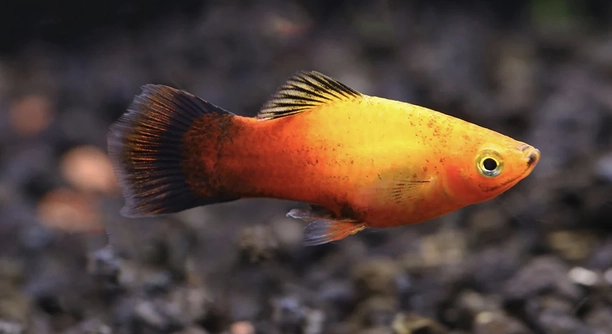
Platies are popular freshwater fish often kept in home aquariums. Many owners notice their platy flaring its fins at other fish. This behavior can seem puzzling or even worrying for new fishkeepers.
Platies flare their fins primarily as a form of communication and territorial display. This fin-flaring signals dominance or warns others to keep distance. It is a natural behavior related to social interaction and establishing space within the tank.
Understanding why your platy flares its fins helps create a peaceful aquarium environment. Recognizing this behavior can improve how you care for your fish and manage tank dynamics.
Reasons Behind Fin Flaring in Platies
Platies flare their fins for several reasons, mostly related to communication and environment. One common cause is establishing territory. When multiple fish share a tank, they need to set boundaries to avoid constant conflict. Flared fins make a platy appear larger and more intimidating, helping to keep other fish away. Another reason is mating behavior. Male platies often show off their fins to attract females or compete with other males. Stress can also trigger fin flaring. Changes in water conditions, overcrowding, or sudden movements may make a platy feel threatened. Recognizing these triggers helps in managing the tank better, ensuring your platy feels secure and less prone to stress. Monitoring their behavior regularly can prevent problems before they start, allowing you to enjoy a calm and balanced aquarium environment.
Fin flaring is a natural response that plays a key role in a platy’s social life and well-being.
It’s important to keep your tank conditions stable and provide enough space. Proper water quality and hiding spots reduce stress and unwanted aggression. Overcrowding should be avoided as it often leads to frequent fin flaring and possible injury. A well-maintained tank supports healthy interactions among your fish and keeps fin flaring at a normal level.
How to Manage Fin Flaring Behavior
Limiting stress factors is crucial to managing fin flaring in platies. This includes maintaining clean water, stable temperatures, and avoiding sudden changes in the tank environment.
Creating enough room for each fish reduces territorial disputes. Adding plants or decorations provides hiding spots that help fish feel safe. Choosing tank mates carefully also helps; peaceful fish species reduce competition and aggression. Sometimes, separating aggressive individuals may be necessary. Keeping a close eye on behavior and tank conditions allows for quick adjustments, ensuring your platy stays healthy and comfortable.
Signs Your Platy Is Feeling Threatened
Fin flaring often shows a platy is feeling threatened or stressed. Watch for other signs like hiding, rapid swimming, or loss of appetite.
When a platy flares its fins and shows other signs of stress, it usually means the fish feels unsafe. This can happen if tank mates are too aggressive or if the environment changes suddenly. Keeping an eye on these behaviors helps catch problems early. Adjusting tank conditions or removing aggressive fish can reduce stress. A calm platy is less likely to flare its fins in a harmful way and will be healthier overall.
If you notice frequent fin flaring with other stress signs, checking water quality and tank mates is important. Sometimes small changes, like adding plants or rearranging decorations, can make your platy feel safer and less defensive.
Best Tank Conditions to Reduce Aggression
Stable water temperature, good filtration, and regular cleaning are essential for a peaceful tank. Proper tank size also matters.
Platies thrive in water temperatures between 70 and 78 degrees Fahrenheit. Sudden temperature changes can increase stress and aggression. Good filtration keeps the water clean and oxygen-rich, helping fish stay healthy. Cleaning the tank regularly removes waste that can harm water quality. A tank that is too small can cause overcrowding and fights. Providing at least 10 gallons for a small group of platies helps reduce tension. These conditions support a balanced environment where fin flaring happens naturally, not out of fear or aggression.
Common Tank Mates That Trigger Fin Flaring
Some fish species are more likely to cause stress and fin flaring in platies. Aggressive or very active fish can make platies feel threatened.
Peaceful and similarly sized fish usually reduce fin flaring. Choosing calm tank mates creates a more harmonious aquarium environment for platies to thrive.
How to Choose Compatible Tank Mates
When selecting tank mates for platies, look for species with a calm temperament and similar size. Avoid aggressive fish that chase or nip fins. Good choices include tetras, mollies, and guppies. These fish coexist well with platies, reducing territorial disputes and stress. A peaceful community tank keeps fin flaring to a minimum, supporting the health and happiness of all your fish.
When to Separate Flared Fish
If fin flaring leads to chasing or injuries, separating aggressive fish may be necessary. This prevents harm and helps maintain peace in the tank.
Why does my platy flare its fins at me?
Platies may flare their fins at you if they feel curious or cautious. Sometimes they see your hand or movement as something unfamiliar or a potential threat. This behavior is their way of communicating and trying to appear bigger. It’s usually harmless and shows they are alert to their surroundings.
Is fin flaring a sign of aggression?
Fin flaring can be a sign of mild aggression or territorial behavior. It’s a way for platies to warn other fish to keep their distance. However, it doesn’t always lead to fights. Many times, it’s just a display meant to avoid actual conflict.
How can I tell if fin flaring is a problem?
If fin flaring is frequent and combined with chasing, nipping, or torn fins, it can indicate stress or aggression problems. Watch for changes in behavior, appetite, or physical damage. If these appear, the tank conditions or fish setup may need adjustment.
What causes excessive fin flaring?
Excessive fin flaring is often caused by overcrowding, poor water quality, or incompatible tank mates. Stress from sudden changes or illness can also increase this behavior. Ensuring proper space, clean water, and peaceful companions helps reduce excessive flaring.
Can fin flaring harm my platy?
Fin flaring itself is not harmful, but if it leads to aggression or fighting, fish can get injured. Stress from constant flaring may weaken their immune system. Keeping a calm environment helps prevent harm related to this behavior.
Should I separate platies that flare their fins at each other?
If fin flaring turns into chasing or fin biting, separating aggressive individuals is a good idea. It prevents injuries and helps maintain peace. Sometimes rearranging the tank or adding hiding spots can reduce aggression without separation.
Do male or female platies flare their fins more?
Male platies tend to flare their fins more often than females. This is usually related to mating displays or establishing dominance. Females may flare less but still do so when feeling threatened or stressed.
Will adding plants reduce fin flaring?
Yes, plants provide hiding spots and break up sightlines, which can reduce territorial disputes. They help fish feel secure and lower stress levels, leading to less frequent fin flaring.
Can fin flaring be a sign of illness?
Sometimes fin flaring may indicate discomfort or illness, especially if accompanied by lethargy, loss of appetite, or visible symptoms like fin rot. If unusual behavior continues, testing water quality and checking fish health is important.
How long does fin flaring usually last?
Fin flaring typically lasts a few seconds to minutes during social interactions or stress moments. If it happens constantly, it may signal a problem with tank conditions or fish compatibility. Observing the context helps decide if action is needed.
Is fin flaring normal for platies?
Yes, fin flaring is a normal behavior for platies. It plays a role in communication, territory, and mating. Understanding when it’s normal and when it’s a problem helps in caring for your fish properly.
Can changing the tank setup reduce fin flaring?
Rearranging decorations, adding plants, or increasing tank size can reduce stress and territorial behavior. Changes help fish establish new territories and feel safer, which lowers fin flaring incidents.
Does feeding affect fin flaring?
Feeding can increase activity, sometimes causing short bursts of fin flaring due to excitement or competition. Regular feeding schedules and enough food for all fish reduce stress and aggression related to feeding times.
How do I calm a flaring platy?
Keep the tank clean, stable, and well-planted. Avoid sudden movements near the tank and choose compatible tank mates. Sometimes dimming lights or reducing noise helps fish feel calmer and flare less.
Can platies flare their fins at reflections?
Yes, platies may flare at their reflections if they mistake it for another fish. This can cause stress, so covering or removing reflective surfaces can help reduce unnecessary flaring.
Understanding why your platy flares its fins is an important part of caring for these lively fish. Fin flaring is a natural behavior used mainly to communicate with other fish. It helps them show dominance, warn others, or express stress. This behavior is not unusual and often does not mean there is a serious problem. However, paying attention to when and how often your platy flares its fins can help you better understand its needs and environment. Knowing this can improve your fishkeeping experience and keep your platy healthy.
Creating a good tank environment is key to reducing excessive fin flaring. Proper tank size, water quality, and peaceful tank mates make a big difference. Overcrowding and poor water conditions often cause stress and aggression, which leads to more fin flaring. Adding plants and decorations gives your platy places to hide and feel safe. Keeping a stable temperature and clean water helps your fish stay calm and happy. When your platy feels secure, fin flaring is more balanced and less frequent.
If fin flaring becomes aggressive or causes injury, it’s important to act quickly. Separating aggressive fish or changing the tank setup can prevent harm. Watching your fish regularly helps catch any problems early. Remember, fin flaring is a normal part of platy behavior but should not cause constant stress or fights. By maintaining a healthy environment and paying attention to your platy’s behavior, you can enjoy a peaceful and lively aquarium where your fish can thrive.

Hello,
If you enjoy the content that we create, please consider saying a "Thank You!" by leaving a tip.
Every little bit helps us continue crafting quality advice that supports the health, happiness, and well-being of pets around the world, for pets of all shapes, sizes, and species.
We really appreciate the kindness and support that you show us!