
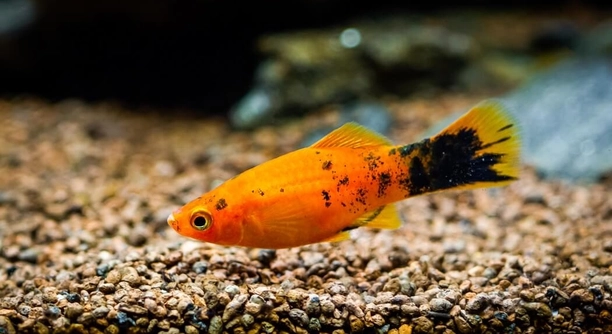
Platies are popular aquarium fish known for their vibrant colors and active behavior. Many fishkeepers enjoy watching them swim around, especially when they notice changes in their speed. Observing how platies react to human presence can reveal interesting insights into their behavior.
Platies swim faster when approached because they perceive potential threats and activate their natural escape response. This behavior is an instinctual survival mechanism to avoid predators, triggered by sudden movements or shadows near their environment. The increased swimming speed helps them stay safe and maintain distance.
Understanding this reaction helps improve how we interact with platies and create a calmer tank environment. Recognizing their instincts will lead to better care and a more enjoyable experience for both fish and owner.
Understanding Platies’ Natural Instincts
Platies are small, peaceful fish that have evolved to survive in environments with potential predators. When you move closer to the tank, their senses detect changes like movement, vibrations, and shadows. These signals alert them to possible danger. In the wild, sudden motions often mean a predator is near. Because of this, platies react by swimming faster to escape or hide. This instinct helps them stay alive, even in a home aquarium. Their quick movement is not meant to be aggressive but is a natural defense mechanism. Over time, platies may become more accustomed to your presence and show less fear, but sudden approaches will still trigger a faster swim as a safety response.
Platies rely heavily on their vision and lateral line system to sense nearby movement. This sensitivity explains why they react quickly when you approach.
Creating a calm, predictable environment reduces stress and helps platies feel safer. Moving slowly and avoiding abrupt motions around the tank allows them to swim more calmly and feel secure.
Tips to Help Your Platies Feel More Comfortable
Approaching your tank gently helps platies adjust and swim calmly. Avoid sudden movements and loud noises near the aquarium.
Allowing platies to grow familiar with your presence lowers their stress and reduces fast swimming episodes. Spend time near the tank regularly, speaking softly or feeding them to build trust. Provide hiding spots like plants or decorations so platies can retreat when they feel uneasy. Consistent water conditions and a stable environment also help reduce their anxiety. When platies feel safe, their natural behaviors become easier to observe and enjoy. Regularly checking the tank for sudden changes in light or movement can prevent unnecessary stress. These simple habits create a peaceful home for your platies and improve their overall health.
How Platies Perceive Movement
Platies are highly sensitive to any movement around their tank. Even small, quick motions can startle them, causing a sudden burst of speed. Their quick response is a survival instinct designed to help them avoid threats before getting too close.
This sensitivity is due to their lateral line system, a sensory organ running along their sides. It detects vibrations and water currents, alerting them to nearby disturbances. When you move closer to the tank, they pick up these signals immediately. The sudden movement combined with changes in light or shadows triggers their natural flight response, making them swim faster to escape potential danger. This reaction helps them survive in the wild, even though your tank is a safe environment.
Because platies rely on both sight and this sensory system, even subtle changes can cause them to dart around. Understanding this helps explain why they often swim faster when approached suddenly.
Reducing Stress for Calmer Swimming
Maintaining a stable environment reduces stress and helps platies swim calmly. Consistent water temperature, clean conditions, and regular feeding routines contribute to their sense of safety. Stress makes platies more reactive, increasing their flight response when approached.
Offering plenty of plants and hiding places also helps platies relax. When they have secure spots to retreat, they feel less threatened and are less likely to swim frantically. Observing their behavior in a calm environment lets you enjoy their natural swimming patterns without sudden bursts of speed. Creating this kind of tank environment takes patience but results in healthier, happier fish. Platies respond well to gentle movements around the tank, so avoiding fast or unexpected gestures helps reduce their stress and fast swimming episodes.
How Lighting Affects Platy Behavior
Bright or sudden changes in lighting can startle platies. They prefer stable, moderate lighting to feel comfortable in their environment.
Using a consistent light schedule helps platies adjust and swim more calmly. Avoid turning lights on or off abruptly near the tank.
The Role of Tank Size and Space
A cramped tank increases stress and causes platies to swim faster when approached. Providing enough space allows them to move freely and reduces fear responses. Overcrowding limits their escape options, making them more reactive to movement outside the tank. A larger tank with open swimming areas and hiding spots helps platies feel secure, leading to calmer behavior and less sudden swimming when someone comes near.
Feeding Time and Platy Activity
Platies often swim faster during feeding as excitement and anticipation increase their activity level.
FAQ
Why do platies swim faster only when I approach the tank?
Platies detect sudden movements and changes outside their tank as potential threats. When you move closer, their senses pick up vibrations, shadows, and motion, triggering their natural escape response. This reaction is a defense mechanism to avoid predators. Even if your presence is harmless, their instincts prompt faster swimming to maintain distance and safety.
Can platies get used to my presence over time?
Yes, platies can become more comfortable with regular, gentle interaction. If you approach slowly and consistently, they learn you are not a threat. Over time, they may swim calmly instead of darting away. However, sudden or fast movements can still cause a quick escape, as their instincts remain active.
How can I reduce platies’ stress when near the tank?
Minimizing abrupt movements and loud noises near the aquarium helps reduce stress. Maintain stable water conditions and provide plenty of hiding spots with plants or decorations. Regular feeding and consistent care also build their trust and lower their anxiety, leading to calmer swimming behavior.
Is tank size important for platies’ comfort?
Definitely. A larger tank gives platies more space to swim and hide, reducing stress and fear. Overcrowding limits their ability to escape perceived threats, making them more reactive. Providing adequate space and a well-planted environment helps platies feel secure and swim naturally.
Do lighting conditions affect platies’ swimming speed?
Yes, bright or sudden lighting changes can startle platies, causing them to swim faster. They prefer steady, moderate lighting with a consistent schedule. Avoid turning aquarium lights on or off abruptly near the tank to keep their environment calm and predictable.
Why do platies swim faster during feeding times?
Feeding increases platies’ activity as they get excited and anticipate food. This excitement naturally causes faster swimming. While this is normal, keeping feeding routines consistent helps them stay calm and reduces stress during other times.
Are there health concerns if my platies always swim fast?
Constant fast swimming can indicate stress or poor water quality. Check water parameters regularly and keep the tank clean. Stress can weaken their immune systems, making them prone to illness. A calm environment and proper care improve their overall health and reduce frantic swimming.
Can other fish cause platies to swim faster?
Yes, aggressive or fast-moving tank mates can stress platies and trigger their flight response. Choose compatible fish species that coexist peacefully to avoid unnecessary stress and excessive swimming.
How important is the lateral line system in platies’ behavior?
The lateral line system is crucial for detecting water movement and vibrations. It helps platies sense nearby activity and potential danger. This sensory system explains why they react quickly to external stimuli like your approach or sudden tank vibrations.
What can I do if my platies never calm down?
Evaluate their tank setup, water quality, and tank mates. Make sure the environment is stable and spacious. Limit sudden movements around the tank. Adding more hiding places can give platies a sense of security. If problems persist, consulting a specialist may help identify underlying issues affecting their behavior.
Final thoughts on why platies swim faster when approached focus mainly on understanding their natural instincts and creating a calm environment. Platies are small fish with survival behaviors shaped by their wild origins. When they notice movement near their tank, they often respond by swimming quickly as a way to avoid potential threats. This is not a sign of aggression but a natural defense mechanism that helps them stay safe. Recognizing this helps fish owners see the behavior as normal rather than worrying unnecessarily.
Creating a stable, peaceful environment is key to reducing the quick swimming response. Consistent water conditions, proper tank size, and plenty of hiding spots all contribute to platies feeling more secure. When the tank setup meets their needs, they are less likely to be startled by your presence. Moving slowly and avoiding sudden gestures near the tank also helps platies adjust to human activity. Over time, many platies learn to tolerate regular, gentle approaches, which means they will swim calmly rather than darting away.
Ultimately, caring for platies means respecting their instincts and environment. By maintaining a healthy tank and approaching them thoughtfully, you can enjoy watching their natural behavior without causing stress. Understanding why they swim faster when approached allows for better care and a more relaxed aquarium experience. This knowledge leads to healthier fish and a more enjoyable relationship with your aquatic pets.

Hello,
If you enjoy the content that we create, please consider saying a "Thank You!" by leaving a tip.
Every little bit helps us continue crafting quality advice that supports the health, happiness, and well-being of pets around the world, for pets of all shapes, sizes, and species.
We really appreciate the kindness and support that you show us!