
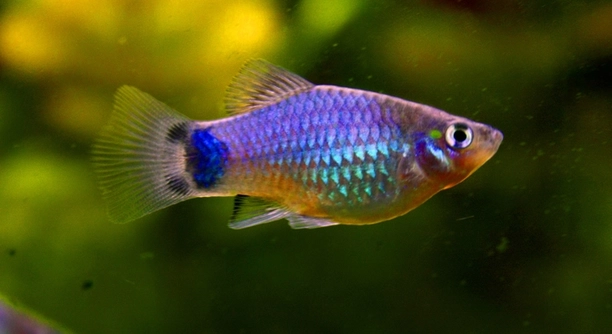
Platies are popular freshwater fish often kept in home aquariums for their vibrant colors and peaceful nature. Sometimes, owners notice their platy staying near the top of the tank for long periods. This behavior can have various causes that are important to understand.
The primary reason a platy stays near the top consistently is due to oxygen levels in the water. Warmer or poorly aerated water has less dissolved oxygen, prompting the fish to seek the upper layers where oxygen is more available. Other causes include water quality issues, stress, or illness.
Recognizing why your platy stays at the surface can help ensure its comfort and health. This article explores key reasons and practical steps to improve your fish’s well-being.
Understanding Oxygen Levels in Your Aquarium
Oxygen is essential for your platy’s survival. When the water lacks sufficient oxygen, your fish will naturally swim closer to the surface, where oxygen exchange with the air is easier. This can happen if the water temperature is too high, since warm water holds less oxygen. Another reason is insufficient water movement, which reduces the circulation needed to keep oxygen levels stable throughout the tank. If you notice your platy near the top, check your filter and aeration system. Regular water changes also help maintain oxygen balance. Adding an air stone or increasing surface agitation can improve oxygen availability. It’s important to keep the water clean and at a suitable temperature to support your fish’s breathing and overall health.
Low oxygen levels cause stress and can lead to illness, so maintaining proper aeration is crucial for your platy’s well-being.
If oxygen issues persist despite these steps, it may be time to test your water parameters or consult a specialist.
Water Quality and Its Impact on Behavior
Poor water quality affects platies quickly. Ammonia, nitrite, or nitrate buildup can make fish uncomfortable, causing them to stay near the surface. Regular testing and water changes are vital. Keep the tank clean and monitor chemical levels closely. Proper filtration supports a healthy environment and reduces toxic buildup. If your platy remains at the top, check for signs of poor water conditions like cloudiness or odor. A stable, clean environment encourages natural swimming patterns and keeps your fish healthy. Monitoring water quality consistently is one of the easiest ways to prevent stress-related behaviors in your aquarium.
Stress and Its Effect on Platy Behavior
Stress can cause your platy to stay near the surface. Factors like sudden changes in water temperature, overcrowding, or aggressive tank mates increase stress levels. Stress weakens the immune system, making fish more vulnerable to illness. Reducing stress means creating a calm, stable environment.
Keeping the tank at a consistent temperature between 72-78°F helps. Avoid overcrowding by providing enough space and hiding spots. Watch for aggressive behavior from other fish and separate if necessary. Stress management includes gentle handling during tank maintenance and feeding routines. A relaxed platy is more likely to explore the whole tank and exhibit normal behavior.
A stress-free environment also supports your platy’s appetite and energy. Make sure to keep the tank clean and stable to minimize any triggers that could disturb your fish.
Signs of Illness in Platys
Illness often shows through changes in behavior like staying at the surface. Other signs include loss of appetite, faded colors, or clamped fins. It is important to identify symptoms early to treat your platy effectively.
If your platy shows unusual behavior or physical changes, test the water first for quality issues. Treat infections or parasites promptly using medication recommended for freshwater fish. Isolate sick fish to prevent spreading disease. Maintaining good water conditions supports recovery and reduces the chance of illness.
Regular observation helps catch problems early. Keeping a health journal for your fish can make it easier to spot changes and act quickly.
Feeding Habits and Surface Behavior
Platys often swim near the top during feeding times because they expect food there. This behavior is normal and shows their anticipation. However, if they stay at the surface constantly, it might indicate something else.
Overfeeding can lead to poor water quality, affecting your platy’s health. Make sure to feed small amounts appropriate for their size and remove uneaten food promptly.
Temperature Fluctuations
Sudden changes in water temperature can stress your platy, causing it to stay near the top. Consistent temperature helps maintain normal activity and comfort.
Using a reliable heater and thermometer ensures the water stays within the ideal range of 72-78°F, which supports your fish’s well-being and reduces stress-related behaviors.
Tank Size and Environment
A cramped or poorly decorated tank can make platys feel insecure, leading them to stay near the surface. Providing enough space and hiding spots encourages natural movement and reduces stress.
FAQ
Why does my platy stay near the surface but still seem healthy?
Sometimes, platies swim near the top simply because that’s where they find the most oxygen. If the water is warm or the tank lacks enough surface movement, they stay at the top to breathe easier. As long as they eat well and look active, this behavior isn’t always a problem. However, keep an eye on water quality and temperature to avoid stress.
Can poor water conditions cause my platy to stay near the top?
Yes, poor water quality is a common reason for this behavior. High levels of ammonia, nitrites, or nitrates stress fish and affect their breathing. Testing your water regularly and doing partial water changes help keep the environment safe. Clean, well-filtered water encourages your platy to swim freely throughout the tank.
Is my platy stressed if it stays at the surface constantly?
Stress can make your platy act differently, including staying near the surface. Causes include sudden temperature changes, overcrowding, or aggressive tank mates. Reducing stress means keeping the tank stable, avoiding overcrowding, and offering plenty of hiding spots. A calm environment helps your fish feel secure and behave naturally.
Could illness make my platy stay near the top?
Yes, illness often changes fish behavior. If your platy shows other signs like loss of appetite, faded colors, or clamped fins, it may be sick. Water testing is important because poor conditions can trigger illness. Treating infections early and isolating sick fish prevents problems from spreading.
Does feeding affect my platy’s position in the tank?
Platies expect food at the surface, so they often swim near the top when hungry or feeding. This is normal. Overfeeding can harm water quality, so feed small amounts and remove leftovers. A healthy feeding routine supports good water and fish health.
What water temperature is best for platys?
Platys thrive in water between 72-78°F. Temperatures outside this range can stress them, causing surface swimming or other odd behaviors. Use a heater and thermometer to keep water stable. Avoid sudden temperature changes for your platy’s comfort.
How much space does a platy need?
Platys need enough room to swim freely and hide when needed. A tank of at least 10 gallons for a small group is recommended. Overcrowding causes stress and poor water quality, leading to surface swimming. Providing plants or decorations offers hiding spots that help your platy feel safe.
Will adding an air stone help if my platy stays near the surface?
Yes, adding an air stone increases oxygen in the water by improving circulation and surface agitation. This can reduce the need for your platy to stay near the top. Air stones are an easy way to boost oxygen and keep your fish comfortable.
How often should I test my aquarium water?
Testing once a week is a good routine. Check for ammonia, nitrite, nitrate, and pH levels. Regular testing helps catch issues early before they affect your platy’s health. Consistent water quality supports natural behavior and reduces stress.
What should I do if my platy continues to stay near the surface despite good water conditions?
If everything seems normal but your platy still stays at the top, observe for other signs like breathing difficulty or lethargy. Sometimes, individual fish have habits or mild stress reactions. Make sure the tank is not overcrowded and that the temperature is steady. If unsure, consulting a vet or aquarium expert can provide guidance.
Final Thoughts
Understanding why your platy stays near the top of the tank helps you provide better care for your fish. Often, this behavior relates to oxygen levels in the water, water quality, or stress factors. Maintaining stable and clean water conditions with proper aeration is essential to support your platy’s natural behavior. Small changes like adding an air stone or adjusting the water temperature can make a significant difference. Keeping a close eye on the tank environment ensures your fish remains comfortable and healthy.
Stress is another important factor to consider. Platies are sensitive to changes in their environment, such as overcrowding, aggressive tank mates, or sudden shifts in water temperature. Creating a calm and secure space helps reduce stress, encouraging your platy to swim throughout the tank rather than staying near the surface. Providing enough hiding spots and regular tank maintenance will support your fish’s well-being. A relaxed fish is more likely to show normal behavior and maintain good health.
If your platy shows signs of illness or continues to stay at the surface despite good water conditions, it is important to act quickly. Early detection and treatment of diseases improve the chances of recovery. Regular water testing, proper feeding habits, and consistent tank care are key to preventing problems. By paying attention to these details, you can help your platy live a long, healthy life while enjoying its full range of natural behaviors in your aquarium.

Hello,
If you enjoy the content that we create, please consider saying a "Thank You!" by leaving a tip.
Every little bit helps us continue crafting quality advice that supports the health, happiness, and well-being of pets around the world, for pets of all shapes, sizes, and species.
We really appreciate the kindness and support that you show us!