
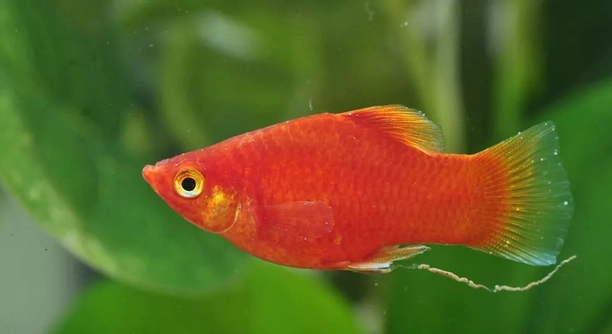
Platies are popular freshwater fish known for their bright colors and peaceful nature. Many aquarists enjoy keeping them in community tanks due to their adaptability and easy care. Understanding their behavior helps create a better environment for these lively fish.
Platies demonstrate the ability to learn and avoid certain areas, especially when those zones are associated with negative stimuli or threats. This avoidance behavior is a form of simple learning that enhances their survival in both natural and captive environments.
Recognizing how platies react to their surroundings can improve tank management and fish welfare. The following article explores the details of this behavior and its implications for aquarium care.
How Platies Learn to Avoid Certain Areas
Platies use simple learning to recognize and avoid areas that pose danger or discomfort. If a particular part of the tank consistently has a threat, such as aggressive fish or sudden disturbances, platies will start steering clear of it. This behavior helps them stay safe by minimizing risky encounters. Over time, platies associate specific locations with negative experiences and respond by swimming away when they approach these spots. This learning is not complex but effective, relying on repeated exposure to unpleasant conditions. It is similar to how they learn to find food or shelter. Tank setup, including hiding spots and calm zones, also influences this avoidance. Providing plenty of plants or decorations encourages platies to feel secure in other areas, reducing stress. The learning ability of platies shows they adapt well to their environment, which helps them thrive in home aquariums.
Avoidance behavior in platies develops through repeated negative experiences in specific tank areas, leading to safer and more comfortable swimming patterns.
Understanding how platies learn to avoid certain zones can help aquarists create better habitats. Observing these patterns shows when tank conditions need adjustment, improving overall fish health and happiness.
Factors Influencing Avoidance Behavior
Several factors affect whether platies will avoid certain areas in their tank. Stressful conditions, such as aggressive tank mates or strong water currents, often push them away from those locations. Poor water quality or temperature fluctuations can also cause discomfort, making platies seek out more stable zones. Lighting levels matter too; overly bright or constantly changing light may cause avoidance. Additionally, the presence or absence of hiding spots impacts how comfortable they feel exploring the tank. Tanks with plenty of plants and decorations encourage exploration, while bare tanks increase anxiety and avoidance. Regular feeding near one spot can teach platies to associate that area with food, reducing avoidance there. Understanding these factors helps in creating a calm and safe environment for platies to reduce their stress and encourage natural behaviors.
Controlling stressors and optimizing tank setup are key to minimizing platies’ avoidance behavior and promoting a balanced habitat.
Tank conditions play a major role in platies’ comfort levels. Stable water parameters, gentle currents, and proper lighting support healthy activity. Avoidance often signals discomfort, so it’s important to observe changes in behavior. Adding plants and shelters can reduce stress and increase their confidence in swimming freely. Feeding routines that encourage movement can also help. By managing these factors, aquarists can help platies feel secure, minimizing the need for them to avoid areas and enhancing their quality of life in the aquarium.
Signs Platies Avoid Certain Areas
Platies may swim quickly through or completely avoid certain parts of the tank. They often hide more or stay in safer, familiar zones when stressed. Noticing these patterns is key to identifying problem areas.
Changes in behavior like spending less time in a specific area or sudden darting away indicate avoidance. These signs often reflect discomfort due to tank conditions or tank mates. Sometimes platies avoid spots near strong filters or rough water currents. If aggressive fish claim certain territories, platies will steer clear to stay safe. Lack of hiding places in open areas may cause hesitation or avoidance. Regular observation helps identify these patterns early, allowing adjustments to the tank environment.
Avoidance can also signal illness or injury. If a platy isolates itself or hides excessively, checking water quality and fish health is important. Stress from disease can cause them to avoid normal swimming zones. Ensuring good water conditions and a peaceful tank helps reduce these behaviors and keeps platies active and comfortable.
Improving Tank Conditions to Reduce Avoidance
Stressful conditions often cause platies to avoid areas, so improving tank setup is essential. Clean water, stable temperature, and adequate hiding spots can make a big difference.
Maintaining consistent water quality is critical for reducing avoidance behavior. Regular water changes and monitoring parameters like ammonia and nitrate prevent stress. Platies prefer calm currents, so adjusting filter flow can encourage exploration. Adding plants and decorations provides shelter and comfort, encouraging fish to swim more freely throughout the tank. Avoid overcrowding by keeping compatible tank mates and limiting aggressive species. Feeding in different spots also helps platies feel safer moving around. These changes create a welcoming environment where platies feel secure and avoid stressful areas less often.
Training Platies to Feel Safe
Platies can become more comfortable in their tank through gentle training. Consistent feeding routines and calm handling help build trust and reduce avoidance. Repeating positive experiences near less-visited areas encourages exploration over time.
Using food to lure platies into different zones is effective. Gradually placing food farther from their usual spots helps them learn the entire tank is safe. This method promotes confidence and reduces fear-based avoidance.
Common Misconceptions About Platy Behavior
Many assume platies avoid areas due to laziness or lack of curiosity. In reality, avoidance often reflects environmental stress or discomfort, not behavior problems. Recognizing this helps improve tank care.
Effects of Tank Size on Avoidance
Smaller tanks limit swimming space, often causing platies to feel trapped and avoid certain areas. Larger tanks provide room for escape routes and reduce stress.
FAQ
Can platies remember to avoid a certain area after just one bad experience?
Platies generally need repeated negative experiences to consistently avoid an area. One bad event may cause temporary hesitation, but lasting avoidance usually develops after they encounter the unpleasant condition several times. This repetition helps them associate the location with danger or discomfort.
How long does it take for platies to learn to avoid certain areas?
The time varies but often takes a few days to a week of repeated negative exposure. The more frequent the unpleasant stimulus, like aggressive tank mates or rough currents, the quicker platies learn. Consistency in conditions speeds up their ability to remember and avoid those spots.
Can platies unlearn avoidance behavior if the problem is fixed?
Yes, platies can unlearn avoidance if the negative factor is removed. Once the area becomes safe again, and they experience no threats there, they may gradually return. Positive reinforcement, like feeding near the area, can help encourage them back faster.
Do all platies in a tank learn avoidance at the same rate?
No, individual platies vary in how quickly they learn. Some may be bolder and explore despite threats, while others are more cautious and avoid risky areas sooner. Factors like age, personality, and previous experiences influence this behavior.
Is avoidance behavior more common in new or established tanks?
Avoidance is often more noticeable in new tanks as platies adjust to unfamiliar conditions. In established tanks with stable environments, avoidance usually decreases unless new stressors appear. It’s important to monitor changes during tank setup and after adding new fish.
Can platies avoid areas due to health issues?
Yes, sick or injured platies may avoid swimming in usual areas, seeking quiet or hidden spots to recover. Avoidance combined with other signs like lethargy, loss of appetite, or unusual swimming patterns can indicate health problems needing attention.
Does lighting affect where platies swim or avoid?
Bright or flickering lights can cause platies to avoid certain areas. They prefer moderate, consistent lighting that mimics natural conditions. Adjusting light intensity or providing shaded spots with plants can help platies feel more comfortable and reduce avoidance.
Can platies learn to avoid areas with aggressive tank mates?
Platies quickly learn to avoid zones dominated by aggressive fish to stay safe. This avoidance helps reduce stress and injury risk. If aggression is severe, it’s best to separate fish or change tank mates to prevent constant avoidance and improve well-being.
Does feeding location influence avoidance behavior?
Yes, platies tend to feel safer in areas where they regularly find food. Consistent feeding in different parts of the tank encourages them to explore more and reduces avoidance. Changing feeding spots gradually helps them associate new areas with positive experiences.
Can changes in water temperature cause platies to avoid certain zones?
Sudden temperature shifts or uneven heating can cause platies to avoid parts of the tank. They prefer stable, comfortable temperatures throughout their environment. Using reliable heaters and monitoring water temperature helps maintain even conditions and prevents avoidance caused by discomfort.
How can I tell if platies are avoiding areas due to stress or just preference?
Avoidance due to stress is usually combined with other signs like hiding, loss of appetite, or erratic swimming. Preference-based avoidance tends to be less intense, with fish calmly choosing certain spots over others. Observing overall behavior helps distinguish between the two.
Is it normal for platies to avoid areas during breeding or spawning?
Yes, during breeding, platies may avoid certain areas to protect eggs or young fry. Females especially may hide or stay away from aggressive males or other fish that could disturb them. Providing plenty of hiding spaces helps reduce stress during this time.
Can tank decorations influence avoidance behavior?
Tank decorations can either encourage or discourage exploration. Dense plants and hiding spots make platies feel secure and reduce avoidance. Conversely, open, bare areas or sharp decorations may cause them to avoid those spots. Thoughtful tank design supports natural behavior and comfort.
Should I be concerned if my platies avoid a large part of the tank?
Yes, if platies avoid a significant portion of the tank, it often signals issues like water quality problems, aggression, or unsuitable conditions. It’s important to investigate and address the cause promptly to ensure their health and reduce stress-related behaviors.
How often should I change the tank environment to prevent avoidance?
Frequent, sudden changes can increase stress and avoidance. It’s best to maintain a stable environment and make gradual adjustments if needed. Introducing new decorations or rearranging plants slowly helps platies adapt without triggering excessive avoidance.
Platies are small fish that show simple but effective learning abilities. They can remember and avoid areas in their tank that cause them discomfort or danger. This behavior helps them stay safe and reduces stress. Understanding how platies learn to avoid certain zones allows aquarists to create better living spaces for these fish. It also helps in spotting problems early, such as aggression from tank mates or poor water conditions. When platies avoid parts of the tank, it is often a sign that something in their environment needs attention. Paying close attention to their behavior helps maintain a healthier aquarium overall.
Creating a comfortable environment is key to reducing avoidance in platies. Consistent water quality, gentle water flow, proper lighting, and plenty of hiding spots all contribute to a peaceful tank. Feeding routines that encourage movement throughout the tank can also help platies feel safer and more confident. When fish have enough space and feel secure, they explore more and avoid less. Changes to the tank should be made slowly to give the platies time to adjust without causing unnecessary stress. By providing a stable and supportive environment, platies will display more natural and relaxed behavior.
Avoidance behavior is a natural response to stress or discomfort, but it can be managed through good tank care. Knowing the reasons behind this behavior allows fish keepers to act quickly and improve conditions. This creates a better quality of life for platies and helps them thrive in captivity. Small changes in tank setup or routine can make a big difference in how comfortable platies feel. Overall, paying attention to their behavior and making thoughtful adjustments promotes a healthier, happier aquarium where platies can swim freely without fear.

Hello,
If you enjoy the content that we create, please consider saying a "Thank You!" by leaving a tip.
Every little bit helps us continue crafting quality advice that supports the health, happiness, and well-being of pets around the world, for pets of all shapes, sizes, and species.
We really appreciate the kindness and support that you show us!