
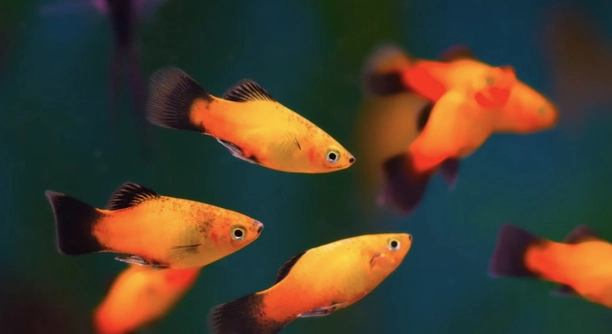
Many aquarium owners notice their platies gathering closely, often wondering about this behavior. These small, colorful fish are usually active and social. Observing them huddled together can feel unusual or concerning for those new to keeping platies.
Platies huddle together mainly for safety and comfort, often responding to environmental factors like water temperature, stress, or perceived threats. Grouping helps reduce anxiety and allows them to feel secure within their environment.
Understanding why your platies behave this way can help you create a healthier tank environment. This article will explore the common reasons behind their huddling and how to support their wellbeing.
Common Reasons Platies Huddle Together
Platies often group together as a natural response to feeling insecure or stressed. Changes in water temperature or quality can make them uneasy, prompting them to stay close. If the water is too cold, they may cluster to share warmth. Poor water conditions, such as high ammonia or nitrate levels, can also cause discomfort, encouraging this behavior. Another reason is the presence of strong currents or loud noises in the tank, which can scare them. Sometimes, new additions to the aquarium or rearranged decorations can make platies feel threatened, leading them to huddle. This behavior is a way for them to protect themselves by staying in a group. Watching for other signs like lethargy or loss of appetite can help you understand if something is wrong. Regularly checking the tank environment is key to keeping platies healthy and calm.
Grouping helps platies feel safer, especially when something in the environment feels off or unfamiliar.
By keeping the water clean and stable, you reduce stress for your platies. Ensure the tank temperature stays between 72°F and 78°F. Avoid sudden changes, as platies prefer steady conditions. Proper filtration and regular water changes keep harmful chemicals low. If you add new fish or decorations, give your platies time to adjust slowly. Quiet surroundings also help, as loud noises can make fish nervous. Paying attention to their environment and behavior will help you maintain a peaceful tank where your platies feel comfortable and active.
How to Improve Your Platies’ Environment
Stress is a big factor in why platies huddle, and it often comes from their environment. Simple changes can make a big difference in their comfort and health. Ensuring water quality is excellent is the first step, using test kits to monitor pH, ammonia, and nitrate levels. Maintaining stable temperature and avoiding sudden shifts helps platies feel secure. Adding plenty of plants and hiding spots gives them places to retreat, reducing anxiety. Keeping the tank in a quiet area away from heavy traffic or loud noises also supports their wellbeing. Feeding a balanced diet and avoiding overfeeding will prevent water pollution and keep your platies energetic. Regular observation helps you catch any problems early. These steps work together to create a tank where platies can thrive without the need to huddle for safety.
Signs of Stress in Platies
Platies showing stress may swim erratically or hide more than usual. They might lose their bright colors or stop eating. Stress can lead to illness if not addressed quickly. Observing these signs early helps prevent serious health problems.
Stress in platies often results from poor water quality, sudden changes in temperature, or overcrowding. When stressed, their immune systems weaken, making them prone to infections. Watch for unusual behavior like gasping at the surface or clamped fins. These signs indicate discomfort or low oxygen levels. If you notice these behaviors, test your water and adjust conditions immediately. Providing a calm and stable environment reduces stress and keeps your platies healthy and active over time.
Behavioral changes can also point to stress. Platies that once explored now stick to corners or group tightly, avoiding movement. They may also flash or rub against objects, which can signal parasites or skin irritation. Addressing these early signs with proper care can improve their wellbeing significantly.
Water Conditions Affecting Platies
Maintaining clean, stable water is crucial for platies’ health. Ammonia and nitrite should always be at zero, and nitrates kept low. Frequent water testing helps track these levels. Consistent water temperature between 72°F and 78°F is essential. Sudden fluctuations cause stress and illness. Overfeeding can pollute the water, so feed sparingly and remove leftovers. Good filtration and regular partial water changes keep the environment safe. Proper water conditions reduce stress and encourage natural behavior, preventing platies from huddling out of discomfort or fear.
Temperature Changes and Their Effects
Platies are sensitive to temperature changes. Even a small drop can cause them to group together to keep warm. Consistent temperature is key to preventing stress and unhealthy behavior.
Using a reliable heater helps keep the tank stable. Avoid placing the aquarium near drafts or heat sources that cause fluctuations.
Tank Size and Space
A cramped tank forces platies to stay close. Overcrowding increases stress and competition for resources. Providing enough space allows them to spread out and swim freely, reducing the need to huddle.
How Lighting Impacts Platies
Too much or too little light affects platies’ behavior. Bright lighting can stress them, while dim lighting might make them inactive. Balanced lighting supports their natural rhythm and comfort.
Social Behavior of Platies
Platies naturally enjoy company. Grouping together is part of their social behavior, but constant huddling often signals a problem. Observing their interactions can help spot issues early.
FAQ
Why are my platies always huddled in one corner?
Platies often gather in one spot when they feel unsafe or uncomfortable. This behavior can be caused by poor water quality, temperature fluctuations, or strong currents in the tank. They may also huddle if there is a new addition to the aquarium or if they are stressed by loud noises. Checking water parameters and making sure the tank environment is stable can help reduce this behavior.
Is it normal for platies to swim together all day?
Yes, platies are social fish and often swim together naturally. However, if they stay tightly grouped without moving much, it may be a sign of stress or an unsuitable environment. Providing plenty of space, hiding spots, and maintaining good water conditions encourages healthy activity.
Can poor water quality cause platies to huddle?
Absolutely. Poor water quality is a common reason platies cluster together. High levels of ammonia, nitrites, or nitrates irritate fish and cause stress. Regular testing and timely water changes are essential to keep the water safe and prevent this behavior.
How does temperature affect platies’ grouping behavior?
Platies prefer stable water temperatures between 72°F and 78°F. If the water gets too cold, they huddle to conserve warmth. Sudden temperature changes can cause stress, making them group tightly or hide. Using a heater and avoiding drafts helps maintain steady temperatures.
What tank size is best for platies?
A minimum of 10 gallons is recommended for a small group of platies. More space allows them to swim freely and reduces stress. Overcrowding leads to competition and huddling, so avoid keeping too many fish in a small tank.
Can lighting cause platies to huddle?
Yes, both too bright and too dim lighting can affect platies. Bright light can stress them, causing them to hide or group in shaded areas. Dim light may reduce their activity. Balanced lighting with a regular day-night cycle helps them feel secure.
Are platies schooling fish?
Platies are social but not strict schoolers. They like to be in groups but don’t always swim in tight formations like some other species. Grouping is normal, but persistent tight clustering often means they are stressed or uncomfortable.
What can I do to reduce stress in my platies?
Keep the tank clean, maintain stable temperature and water parameters, avoid overcrowding, and provide hiding spots. Minimize loud noises and sudden changes around the tank. Feeding a varied, balanced diet also supports their health and lowers stress.
How often should I test the water for platies?
Testing weekly is a good routine for most home aquariums. More frequent checks are needed after adding new fish, changing water, or if you notice unusual behavior. Monitoring pH, ammonia, nitrite, and nitrate levels helps catch problems early.
Can illness cause platies to huddle?
Yes, illness often makes platies group together or hide more. Look for other signs like loss of appetite, faded colors, or abnormal swimming. If illness is suspected, isolate affected fish and treat the tank as needed.
Do platies need hiding spots in the tank?
Yes, hiding spots like plants, caves, or decorations help platies feel safe. When they have places to retreat, they are less likely to stay tightly huddled. Adding natural elements creates a more comfortable environment for them.
How long does it take for platies to adjust to a new tank?
Platies usually take a few days to a week to settle in a new tank. During this time, some grouping and hiding is normal. Maintaining stable conditions and avoiding sudden changes helps them adjust faster and feel secure.
Is it normal for platies to be inactive sometimes?
Yes, platies may rest or be less active at times, especially during nighttime or after feeding. However, if inactivity is constant and combined with huddling, it could indicate stress or illness needing attention.
Can changing tank decorations stress platies?
Yes, rearranging the tank can cause platies to feel unsettled and group together. Make changes slowly and give them time to adjust. Providing familiar hiding places during and after rearranging helps reduce stress.
How important is diet for platies’ behavior?
A balanced diet keeps platies healthy and energetic. Poor nutrition can weaken their immune system and increase stress, leading to more huddling or hiding. Feed a mix of flakes, pellets, and occasional live or frozen foods for best results.
Should I separate aggressive fish from platies?
Yes, aggressive tank mates can stress platies and cause them to group tightly for protection. Keep peaceful species together and separate or avoid fish known for aggression to ensure a calm environment.
Can lighting schedules affect platies’ comfort?
Yes, consistent lighting schedules with regular periods of light and darkness support their natural rhythms. Irregular lighting or constant bright light can stress them and affect their behavior.
What is the best way to introduce new platies to an established tank?
Introduce new platies slowly by floating their bag in the tank to equalize temperature, then gradually mixing tank water into the bag before release. This helps reduce shock and stress for both new and existing fish.
How often should I feed platies?
Feed small amounts 1–2 times a day. Overfeeding pollutes the water and stresses fish. Remove uneaten food after a few minutes to keep the tank clean.
Can platies sense danger outside the tank?
Platies react to vibrations, shadows, or sudden movements near the aquarium. These signals can make them huddle or hide, as they perceive threats even outside their environment. Minimizing disturbances around the tank helps them feel safe.
Platies are lively and colorful fish that bring a lot of joy to any aquarium. When they huddle together all day, it often means something in their environment is causing stress or discomfort. Paying close attention to their behavior and the conditions in the tank is important. Simple changes like improving water quality, stabilizing temperature, and providing enough space can make a big difference. These small steps help your platies feel safe and encourage them to swim freely and happily. It is normal for platies to be social, but when their grouping becomes constant and tight, it usually signals a need for care.
Keeping water clean and stable is one of the most effective ways to prevent platies from huddling. Regular water testing, timely changes, and a good filtration system keep harmful chemicals at safe levels. Temperature also plays a big role; platies do best in water between 72°F and 78°F. Sudden drops or rises in temperature can cause them to group closely for warmth or comfort. Adding plants and decorations creates hiding spots that reduce stress and help platies feel more secure. A calm environment, with minimal noise and gentle water flow, also supports their wellbeing.
Observing your platies daily helps catch early signs of stress or illness. Changes in color, appetite, or activity can point to problems that need quick action. Feeding them a balanced diet and avoiding overcrowding in the tank also keeps them healthy. When platies feel good, they will explore the tank more and be less likely to huddle. With consistent care and attention, your platies can thrive, showing their natural bright colors and playful behavior. Taking these steps makes both the fish and the aquarium a better place to be.

Hello,
If you enjoy the content that we create, please consider saying a "Thank You!" by leaving a tip.
Every little bit helps us continue crafting quality advice that supports the health, happiness, and well-being of pets around the world, for pets of all shapes, sizes, and species.
We really appreciate the kindness and support that you show us!