
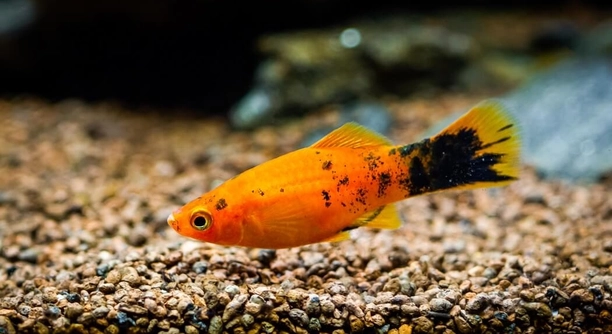
Platy fish are popular in home aquariums for their vibrant colors and peaceful nature. Many owners want to create a stimulating environment that supports their fish’s well-being. Simple enrichment ideas can make a big difference in a platy tank.
Providing enrichment for platy tanks involves adding plants, hiding spots, and varied decorations to encourage natural behaviors. These elements reduce stress and promote activity, contributing to healthier and more vibrant fish. Practical, easy-to-implement ideas can enhance the tank’s overall environment effectively.
These enrichment tips will help maintain an engaging and balanced habitat for your platies. The following ideas focus on ease and positive impact for your aquatic pets.
Adding Live Plants for Natural Shelter
Live plants provide essential shelter and hiding places for platies. They mimic the natural environment where platies would seek cover among leaves and stems. Plants also improve water quality by absorbing nitrates and producing oxygen. Common choices like Java fern, Anubias, and Amazon sword are easy to care for and do well in platy tanks. Plants create vertical and horizontal spaces for swimming and exploring. Their movement in the water encourages natural behavior. Additionally, live plants help reduce algae growth by competing for nutrients. Including a variety of plant types adds texture and visual interest to the tank, benefiting both fish and the overall aquarium balance.
Adding live plants is a practical enrichment method that supports platy health. The plants’ presence helps simulate a more natural setting, making fish feel secure and active.
The combination of biological filtration and physical shelter provided by live plants plays an important role in keeping your platy tank balanced. This method improves water parameters while offering constant stimulation. Fish can hide, rest, or forage among leaves, which reduces stress and encourages natural behavior. Live plants can also enhance the aesthetics of the tank, making it more enjoyable to observe. Choosing hardy, low-maintenance plants ensures they thrive without requiring extensive care. This enrichment approach suits both beginner and experienced aquarium keepers.
Introducing Floating Decorations
Floating decorations provide new surfaces for platies to explore and interact with. These can include floating plants or small structures that rest on the water surface. Floating elements offer shade and break the line of sight, which helps reduce aggression among fish. They also create varying light patterns that attract fish attention and encourage movement. Floating decorations add a layer of complexity without overcrowding the tank floor or walls.
These decorations enhance environmental diversity, stimulating fish and improving their tank experience.
By incorporating floating decorations, the tank gains dynamic features that vary daily. Fish respond to the shifting shadows and resting spots above the water. This enrichment type encourages exploration and prevents boredom. Floating plants such as duckweed or frogbit are easy to maintain and reproduce quickly, providing continuous coverage. For more variety, lightweight artificial decorations can be added but should be non-toxic and aquarium safe. Floating elements also help moderate light intensity, benefiting both plants and fish. Overall, they contribute to a balanced and engaging habitat.
Providing Hiding Spots
Hiding spots reduce stress and offer security to platies. These can be created with caves, tunnels, or dense plant clusters. They allow fish to retreat when feeling threatened or resting.
Natural or artificial caves made from aquarium-safe materials are ideal. Ceramic or resin decorations with openings provide comfortable shelters. These spots encourage natural behaviors such as exploring and resting. Dense plants can also serve as hiding places, blending shelter with enrichment. Multiple hiding areas help reduce territorial disputes by giving fish options to escape. Positioning hiding spots at different tank levels offers varied refuge. This setup fosters a calm environment where platies feel safe and confident to swim freely.
Hiding spots also help shy platies gradually adjust to their environment. By offering security, these areas reduce aggression and support overall tank harmony. Providing diverse and accessible shelters contributes to a healthier, more balanced aquarium.
Varying Tank Layout Periodically
Changing the tank layout prevents boredom and stimulates curiosity. Rearranging decorations or plants alters the environment, encouraging platies to explore new spaces. This simple adjustment refreshes the tank’s appearance and interest for the fish.
Periodic changes in tank arrangement help maintain mental stimulation. Fish adapt to new obstacles and pathways, which promotes natural activity and reduces stress. Moving decorations to different locations can simulate environmental changes, keeping the habitat dynamic. Rearranging plants or adding new elements encourages platies to investigate their surroundings more actively. This practice prevents habituation, where fish lose interest in a static environment. It also allows owners to monitor fish reactions to new setups and adjust accordingly. Care should be taken to avoid disturbing the substrate excessively, protecting beneficial bacteria. Overall, varying the tank layout supports fish well-being by fostering a lively and engaging habitat.
Using Driftwood for Texture
Driftwood adds natural texture and complexity to platy tanks. It creates hiding spots and surfaces for beneficial bacteria. Its organic look enhances the tank’s appearance while offering fish more places to explore.
Besides aesthetics, driftwood slightly lowers pH by releasing tannins. This can benefit platies by creating a softer water environment closer to their natural habitat. Driftwood also provides attachment points for plants and biofilm, which fish may nibble on. Properly prepared driftwood should be soaked and cleaned before adding it to the tank to avoid water quality issues.
Introducing Live Moss
Live moss offers gentle shelter and grazing opportunities. It can be attached to rocks or driftwood, adding greenery and soft surfaces.
Providing Varied Food Items
Offering varied food keeps platies interested and supports nutrition. Rotating flakes, pellets, and live or frozen foods promotes balanced diets and natural foraging behavior.
Using Gentle Water Flow
Gentle water flow simulates natural currents. It encourages platies to swim actively without causing stress or exhaustion.
FAQ
What are the best plants to use for platy tanks?
Some of the best plants for platy tanks include Java fern, Anubias, Amazon sword, and hornwort. These plants are hardy, require low to moderate light, and grow well in typical aquarium conditions. They provide shelter and help maintain water quality by absorbing excess nutrients. Floating plants like duckweed or frogbit are also good choices for added surface cover and shade.
How often should I rearrange decorations in my platy tank?
It is beneficial to rearrange tank decorations every few weeks or monthly. This timing gives fish enough time to settle in before experiencing a new layout. Frequent but moderate changes stimulate curiosity and activity without causing too much stress. Avoid drastic changes all at once to maintain water quality and fish comfort.
Can artificial plants be used instead of live plants?
Yes, artificial plants can be used, but they do not offer the same benefits as live plants. While they provide hiding spots and decoration, they do not improve water quality or offer natural grazing areas. When using artificial plants, choose soft, aquarium-safe materials to avoid harming fish.
How do I prepare driftwood before adding it to my tank?
Driftwood should be soaked and boiled to remove tannins and harmful substances. Soaking can take several days, with regular water changes. Boiling speeds up this process and helps sanitize the wood. Proper preparation prevents discoloration and protects water quality.
What types of food should I offer to platies?
Platies thrive on a varied diet. Use high-quality flakes or pellets as a staple, supplemented with live or frozen foods such as brine shrimp, daphnia, and bloodworms. Occasionally offering blanched vegetables like zucchini or spinach supports their nutrition and encourages natural foraging.
Is it necessary to provide hiding spots if there are plants in the tank?
Yes, hiding spots are important even if plants are present. While plants offer some shelter, dedicated hiding places like caves or tunnels provide secure refuges, especially for shy or stressed fish. Multiple hiding options reduce aggression and support peaceful tank dynamics.
How strong should the water flow be in a platy tank?
Water flow should be gentle to moderate. Strong currents can stress platies and tire them out. A mild flow helps circulate oxygen and simulates natural conditions without forcing the fish to swim against heavy currents. Use adjustable filters or flow baffles if needed.
Can floating plants affect water temperature or light levels?
Yes, floating plants can shade the tank and slightly reduce light reaching lower levels. This helps control algae growth and provides shaded areas for fish. However, excessive coverage can limit light for other plants, so balance floating plant density carefully. They do not significantly affect water temperature but can create microclimates under their cover.
How do I know if my platies are stressed or bored?
Signs of stress or boredom include hiding excessively, reduced activity, loss of appetite, or unusual aggression. Fish may also display dull colors or cling to one area. Enrichment like plants, hiding spots, and varied tank layouts can reduce these signs and improve fish well-being.
Are there any risks with frequently changing the tank layout?
Frequent changes can cause temporary stress and disturb beneficial bacteria in the substrate if the layout is altered too aggressively. Always make gradual changes and monitor water parameters after rearranging. Avoid disturbing the substrate too much to maintain biological balance.
Final Thoughts
Creating a healthy and stimulating environment for platies is important for their well-being. Simple enrichment ideas, such as adding live plants, hiding spots, and floating decorations, can greatly improve the quality of life in the tank. These elements encourage natural behaviors like exploring, hiding, and foraging, which reduce stress and promote healthier fish. A balanced tank with varied textures and spaces not only benefits the platies but also makes the aquarium more enjoyable to observe.
Maintaining a dynamic and clean tank supports long-term fish health. Regularly rearranging decorations and providing varied foods keep the environment interesting and the fish engaged. Enrichment should be practical and easy to maintain so it fits into any routine without causing extra work. Gentle water flow and natural materials like driftwood add to the overall balance, helping to simulate the platies’ natural habitat. Paying attention to these details helps prevent common issues such as boredom or aggression, ensuring the fish stay active and comfortable.
Enrichment does not require expensive or complicated setups. Small, thoughtful changes can make a significant difference. Consistent care, combined with these simple enhancements, supports platies’ physical and mental health. Whether the tank is small or large, investing time in providing a varied and welcoming environment will improve the quality of life for your fish. This approach fosters a peaceful and lively aquarium that reflects the natural behavior and beauty of platies.

Hello,
If you enjoy the content that we create, please consider saying a "Thank You!" by leaving a tip.
Every little bit helps us continue crafting quality advice that supports the health, happiness, and well-being of pets around the world, for pets of all shapes, sizes, and species.
We really appreciate the kindness and support that you show us!