
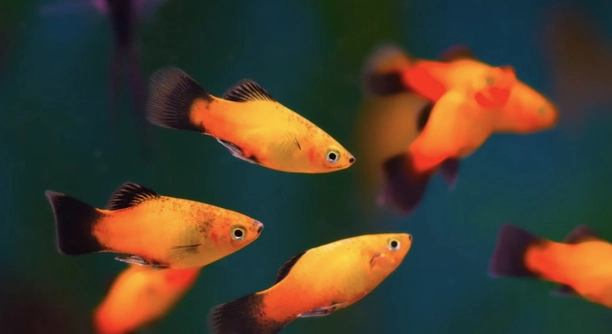
Adding new platies to your aquarium can be exciting but also challenging. Many hobbyists face issues that affect the health and well-being of their fish. Understanding common mistakes helps create a better environment for your platies.
The most frequent mistakes when adding new platies include poor acclimation, incompatible tank mates, sudden water parameter changes, overcrowding, improper diet introduction, ignoring quarantine procedures, and inadequate tank maintenance. These errors can lead to stress, illness, and even death in platies.
Learning to avoid these mistakes will improve your success with new platies and promote a healthy, thriving aquarium environment. This guide explains the key points to consider for smooth introductions.
Poor Acclimation
Introducing new platies without proper acclimation often leads to shock and stress. Sudden changes in water temperature, pH, or hardness can overwhelm their delicate systems. Taking time to gradually adjust the new fish to your tank conditions helps them adapt better and reduces mortality risk. Many beginners add fish directly from the bag or container, which can cause immediate health issues. A slow drip method or floating the sealed bag in the tank for about 20 minutes allows temperature equalization. Afterward, slowly mixing small amounts of tank water into the bag over 30 to 60 minutes helps fish adjust to water chemistry. This process might seem tedious but is crucial for their survival and comfort in the new environment.
Improper acclimation often results in stress, which weakens the immune system and increases the chance of disease.
Taking time with acclimation supports healthier fish that settle quickly and reduce future tank problems.
Incompatible Tank Mates
Selecting the wrong tank mates for platies can lead to aggression and stress. Platies are peaceful fish that thrive best with other gentle species. Avoid housing them with aggressive or fin-nipping fish, which can cause injuries and constant harassment. Compatibility depends on temperament, size, and environmental needs. For example, barbs or some cichlids may not be suitable companions because of their territorial behavior. Ideal tank mates include other livebearers like guppies, mollies, or non-aggressive community fish such as tetras and rasboras. Proper research on species behavior before adding new fish helps maintain harmony. When tank mates coexist peacefully, platies show better color, activity, and breeding behavior.
Introducing incompatible fish disrupts the tank’s balance and stresses platies, lowering their lifespan and health. It is important to observe interactions and separate any fish causing trouble immediately to prevent injury or death. Maintaining a peaceful community tank supports stable conditions and makes maintenance easier for the keeper. Selecting compatible species also ensures that all fish thrive together without constant fighting or hiding. Creating an environment that suits the social needs of platies keeps them comfortable and happy.
Sudden Water Parameter Changes
Sudden shifts in water temperature or chemistry can shock platies. Stability is key for their health and stress reduction.
Platies are sensitive to abrupt changes in pH, temperature, and hardness. If water parameters differ greatly between their old and new environments, fish may become weak or sick. It is important to test and match the new tank’s conditions before introducing new platies. Adjusting parameters slowly over time helps fish adjust safely. Sudden changes can also affect beneficial bacteria in the tank, disrupting the biological balance. Frequent monitoring during introductions can prevent issues and keep platies healthy.
Maintaining stable water conditions prevents stress-related illnesses and encourages normal behavior. Avoid quick adjustments to water chemistry, which can be harmful to all tank inhabitants.
Overcrowding the Tank
Overcrowding reduces oxygen levels and increases waste, causing poor water quality and stress for platies. It limits their movement and promotes disease.
Too many fish in a small tank create competition for space, food, and oxygen. Overcrowded tanks accumulate toxins rapidly, even with regular maintenance. Stress from overcrowding weakens immune systems, making platies vulnerable to infections. Tank size should match the number and size of fish, allowing them to swim freely. Providing enough hiding spots and plants also reduces aggression and stress. Planning for adult fish size and growth prevents sudden crowding as platies mature.
A balanced fish population improves tank stability and keeps platies healthier. Taking time to space fish properly will benefit the aquarium’s ecosystem and its inhabitants.
Improper Diet Introduction
Introducing new foods too quickly can upset platies’ digestion. Gradual changes prevent stomach issues.
Sudden diet changes may cause bloating or constipation. It is best to slowly mix new foods with their current diet to help them adjust comfortably.
Ignoring Quarantine Procedures
Quarantining new platies protects the entire tank from disease outbreaks. It helps identify any hidden illnesses before introducing fish.
Quarantine tanks allow for close observation and treatment of new fish, preventing parasites or infections from spreading. Skipping this step risks the health of existing fish and increases stress levels in the community tank.
Inadequate Tank Maintenance
Neglecting regular cleaning and water changes leads to poor water quality. This harms platies’ health and encourages disease.
Routine maintenance keeps ammonia and nitrate levels low and prevents harmful bacteria buildup. Clean filters and gravel regularly to support a safe environment for your fish.
What is the best way to acclimate new platies to my tank?
The best way to acclimate new platies is by using the drip acclimation method. Start by floating the sealed bag in your aquarium for 15 to 20 minutes to equalize temperature. Then, slowly add small amounts of tank water into the bag over the next 30 to 60 minutes, using a drip line or a small cup. This gradual process helps the fish adjust to differences in water chemistry without shock. Avoid pouring the fish directly into the tank water, which can cause stress and shock.
How can I tell if my platies are stressed after introduction?
Signs of stress include hiding, loss of color, erratic swimming, and reduced appetite. Stressed platies may also gasp at the surface or scratch against objects in the tank. Monitoring behavior in the first few days after introduction is crucial. Stress weakens their immune system and makes them prone to disease, so immediate action such as checking water parameters or improving acclimation techniques may be necessary.
How many platies should I keep in a 20-gallon tank?
A 20-gallon tank can comfortably house about 6 to 8 adult platies. They need enough space to swim and establish territories. Overstocking leads to poor water quality and increased aggression. Keep in mind that platies breed easily, so plan accordingly to avoid overcrowding as the population grows.
Can I keep platies with aggressive fish?
Platies are peaceful community fish and should not be kept with aggressive or fin-nipping species. Aggressive tank mates can stress platies, causing injuries or death. Choose peaceful fish such as tetras, guppies, or small rasboras to maintain a harmonious environment. If aggression is observed, separating the aggressive fish quickly will protect the platies.
What should I feed my new platies?
New platies should receive a varied diet including high-quality flakes, pellets, and occasional live or frozen foods like brine shrimp or bloodworms. Introduce new foods gradually to avoid digestive upset. A balanced diet promotes vibrant color, good health, and breeding readiness.
How often should I clean my tank after adding new platies?
Regular cleaning is essential to maintain water quality. Perform partial water changes of 20-25% weekly and clean filters monthly. New additions can increase waste, so monitor ammonia and nitrate levels closely. Frequent cleaning prevents buildup of toxins that harm fish.
Is quarantine really necessary for new platies?
Yes, quarantine is important to prevent disease from spreading to established fish. A quarantine tank allows you to observe new platies for at least two weeks and treat any illnesses before introducing them to your main tank. Skipping quarantine risks outbreaks and increased stress in all fish.
What water parameters are best for platies?
Platies prefer a temperature of 70-78°F (21-26°C), a pH between 7.0 and 8.2, and moderate hardness. Keeping water stable within these ranges supports their health and breeding. Sudden changes or extreme values cause stress and illness.
How do I prevent overcrowding if my platies breed quickly?
Platies breed easily, so controlling population is important. Separate males and females if you don’t want fry. Consider adding tank mates that eat fry or remove fry manually. Planning tank size and fish numbers will help maintain a balanced aquarium.
What are common diseases in platies and how can I avoid them?
Common diseases include ich, fin rot, and fungal infections, often caused by stress, poor water quality, or introducing sick fish. Avoid these by quarantining new arrivals, maintaining clean water, and providing a balanced diet. Early detection and treatment increase chances of recovery.
Can I keep platies with live plants?
Yes, live plants are beneficial for platies. They provide hiding spots, improve water quality by absorbing nitrates, and reduce stress. Choose hardy plants like java fern, anubias, or hornwort. Live plants create a more natural environment and enhance fish well-being.
How do I know if my tank mates are compatible with platies?
Compatibility depends on temperament, size, and water needs. Choose peaceful, similar-sized species with gentle behavior. Avoid aggressive or territorial fish. Observe fish interactions regularly to catch any signs of bullying or stress early.
What should I do if a new platy gets sick after introduction?
Isolate the sick fish in a hospital tank if possible. Check water quality and adjust parameters to reduce stress. Use appropriate medication based on symptoms, and maintain good hygiene. Quarantine can help identify illness early to protect other fish.
How long does it take for new platies to settle in?
Platies typically settle within a few days to a week if acclimated properly. During this time, they may hide or swim cautiously. Providing plenty of hiding places and stable water conditions helps them adjust faster. Patience during this period is important for their health.
What is the best tank setup for platies?
A well-planted tank with open swimming spaces, a gentle filter, and stable water parameters suits platies. Avoid strong currents or aggressive fish. Plants, rocks, and decorations provide hiding spots and reduce stress. Proper lighting and regular maintenance keep the environment healthy and comfortable.
When adding new platies to your aquarium, attention to detail is essential. Avoiding common mistakes can make a big difference in their health and happiness. Proper acclimation, choosing compatible tank mates, and maintaining stable water parameters are key factors. These steps reduce stress and help your platies adjust smoothly to their new environment. Stress is often the starting point for many health problems, so taking precautions from the beginning is important.
Another important aspect is managing the tank’s population. Overcrowding can quickly lead to poor water quality and increased aggression. Giving your platies enough space to swim and grow promotes natural behavior and reduces stress. Regular tank maintenance also plays a crucial role in keeping the environment clean and safe. Consistent water changes, filter cleaning, and monitoring of water parameters support healthy fish. Neglecting these tasks can lead to harmful conditions that put your platies at risk.
Finally, quarantine procedures are often overlooked but should never be skipped. Quarantining new fish before adding them to the main tank helps prevent the spread of disease. It allows you to observe the new platies for signs of illness and treat any issues early. Feeding your platies a balanced diet and introducing new foods gradually also supports their health. Paying attention to these details ensures that your platies remain vibrant and active, creating a beautiful and peaceful aquarium for everyone to enjoy.

Hello,
If you enjoy the content that we create, please consider saying a "Thank You!" by leaving a tip.
Every little bit helps us continue crafting quality advice that supports the health, happiness, and well-being of pets around the world, for pets of all shapes, sizes, and species.
We really appreciate the kindness and support that you show us!