
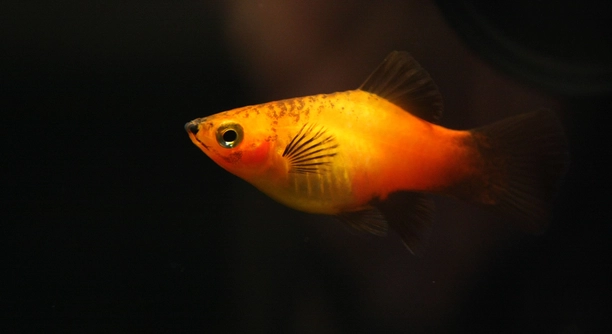
Platies are popular freshwater fish known for their peaceful nature and bright colors. Many fishkeepers enjoy keeping them in home aquariums because they are easy to care for. However, tank environments can change often, especially with frequent rearrangements.
Platies can adapt to frequent tank rearrangements, but the level of stress depends on the severity and frequency of changes. Moderate and gradual rearrangements allow platies to adjust without major health impacts, while sudden or constant disruptions may cause stress and behavioral changes.
Learning how platies respond to changes in their environment can help you create a stable, healthy tank. This article will explore the key factors that affect their adaptation.
How Platies React to Tank Rearrangements
Platies are generally adaptable fish, but their reactions to tank changes can vary. When a tank is rearranged, platies may feel unsettled because their usual hiding spots or landmarks are moved. This can cause temporary stress, making them less active or more skittish. It’s important to keep changes gradual so the fish can get used to the new layout. Avoid making big changes all at once, like moving decorations or plants to very different places. The water conditions should remain stable during and after rearrangements, as sudden shifts in temperature or chemistry can add to their stress. Observing your platies closely after rearranging the tank can help you spot signs of discomfort early, such as hiding more than usual or losing appetite.
Keeping tank changes slow and steady helps platies settle in faster and stay healthy.
By maintaining a consistent environment, you give your platies the best chance to feel safe. Regular routines and small adjustments help reduce their anxiety. Remember that platies rely on familiar surroundings to explore and feel secure. Frequent large rearrangements may cause ongoing stress, which can weaken their immune systems. To minimize issues, try to keep key features like plants and shelters in similar spots. Using decorations with rough surfaces can give platies places to grip and rest. Also, provide plenty of cover to help them escape when needed. Over time, they will learn the new layout, but patience is essential. Paying attention to their behavior after changes will guide you in making the tank a comfortable home for them.
Best Practices for Rearranging Your Platy Tank
When changing your tank setup, make rearrangements small and spread out over several days. This allows platies to gradually adjust without feeling overwhelmed. Avoid moving all decorations at once or completely redesigning their environment suddenly. Keep water quality stable by monitoring temperature, pH, and cleanliness carefully during changes. Use familiar plants and decorations when possible to maintain a sense of security. Adding new elements should be done with care and observation. Provide plenty of hiding spots to reduce stress, especially during the transition period. Following these steps will help your platies stay healthy and active, even with regular tank rearrangements.
Signs of Stress in Platies
Stress in platies often shows through changes in behavior. They may hide more, lose interest in food, or swim erratically. Watch for faded colors or rubbing against objects, which can indicate discomfort. Early detection helps prevent serious health problems.
When platies are stressed by frequent tank rearrangements, their activity levels can drop. They may stay in one spot or avoid swimming near open areas. Appetite loss is common, and stressed fish might refuse food entirely. Sometimes, platies become more aggressive or chase tankmates unusually. Stress can also weaken their immune system, making them more prone to diseases like fin rot or ich. It’s important to monitor their behavior closely after each rearrangement and take steps to reduce stress as soon as possible.
Providing stable conditions and familiar hiding places encourages platies to feel safe again. If signs of stress continue, consider slowing down the pace of changes or restoring parts of the tank to its previous layout. This approach supports recovery and helps maintain a peaceful tank environment.
Adjusting to New Tank Layouts Over Time
Platies gradually learn to navigate and explore a new tank setup when changes are consistent and not extreme. They build new routines once the environment feels familiar.
Regular exposure to the new layout helps platies regain confidence and reduce anxiety. Offering plenty of plants and decorations gives them spots to hide or rest while they adjust. Gradual rearrangements allow them to explore without sudden surprises, which lowers stress. Patience during this period is key, as platies may take days or weeks to fully adapt. Supporting them with good water quality and regular feeding will promote their well-being.
If you notice prolonged signs of distress, it’s helpful to reassess how frequently you rearrange the tank. Providing a calm, stable space ensures platies stay healthy and enjoy their habitat comfortably.
How Tank Size Affects Platy Adaptation
Larger tanks give platies more space to explore and hide during rearrangements. This helps reduce stress. Smaller tanks can feel more cramped, making changes more noticeable and upsetting for the fish.
In small tanks, frequent rearrangements can cause platies to feel trapped. With less room, they have fewer safe spots to retreat to. This makes it harder for them to adjust, increasing stress levels.
Importance of Consistent Water Conditions
Stable water conditions are essential for platies during any tank change. Sudden shifts in temperature or pH add stress and can lead to illness.
Using Plants to Ease Transitions
Live or artificial plants create hiding spots and break up open space. This helps platies feel secure when their tank is rearranged.
Can platies live happily with frequent tank rearrangements?
Platies can live happily with tank rearrangements if the changes are made carefully and not too often. They rely on familiar surroundings to feel safe. Frequent, drastic changes can cause ongoing stress, which affects their health and behavior. Small, gradual rearrangements spaced out over time help platies adjust without harm. Providing plenty of hiding spots and keeping water conditions stable makes the process easier for them. If you keep these points in mind, your platies can stay healthy and active despite some tank changes.
How often can I rearrange my platy tank without stressing the fish?
It’s best to limit rearrangements to once every few weeks or even less often. Frequent changes, such as every few days, can be stressful for platies and disrupt their sense of security. Giving your fish enough time to adapt between rearrangements helps reduce stress. During this period, watch their behavior closely to ensure they are adjusting well. When you do make changes, try to move only a few decorations at a time rather than the entire setup. This slow approach makes transitions easier for the fish.
What are the main signs that my platies are stressed from tank changes?
Look for changes in behavior such as hiding more often, swimming erratically, or losing interest in food. Platies may also show faded colors or rub against objects, which could indicate discomfort. Aggression toward other fish or lethargy can be signs too. If you notice any of these, it’s a good idea to slow down the rearrangement process and provide more hiding spaces. Stress weakens their immune system, so early action helps prevent illness.
Can tank rearrangements cause health problems for platies?
Yes, frequent or sudden tank changes can lead to stress, which lowers platies’ resistance to disease. Common issues include fin rot, ich, and other infections. Stress also impacts their appetite and overall vitality. Maintaining stable water conditions during rearrangements is crucial to avoid adding to their stress. If health problems arise after changes, test the water parameters and consider returning the tank to a more familiar setup until the fish recover.
Are there ways to reduce stress during tank rearrangements?
Yes. Rearrange the tank gradually, moving decorations and plants little by little over several days instead of all at once. Keep water temperature, pH, and cleanliness consistent throughout the process. Provide plenty of plants and hiding spots for your platies to retreat to. Using decorations with rough surfaces can give fish places to rest. Watching their behavior helps you spot stress early and adjust your approach accordingly. A calm environment encourages quicker adaptation.
Do platies prefer live plants or artificial ones during tank changes?
Both live and artificial plants can help platies feel secure during rearrangements by providing hiding places. Live plants offer natural benefits like oxygenation and water filtration but require more care. Artificial plants are easier to maintain and can be rearranged without worrying about plant health. What matters most is that the plants create a familiar environment and plenty of cover. Choose based on your ability to care for live plants and how often you want to change the tank.
How long does it usually take for platies to adjust to a new tank layout?
Platies typically need several days to a few weeks to fully adjust to a new layout, depending on how big the change is. Small adjustments may cause little stress and quick adaptation, while major rearrangements take longer. During this time, their behavior may seem cautious or withdrawn. Providing a stable environment and regular feeding helps them regain confidence. Patience is important, as rushing changes can prolong their discomfort.
Is it better to rearrange the tank completely or in parts?
It’s better to rearrange the tank in parts rather than all at once. Changing everything at once can overwhelm platies, increasing stress. Moving a few decorations at a time allows the fish to slowly get used to each new element. This approach reduces anxiety and helps maintain their normal behavior. If you want to make big changes, consider breaking the process into stages over several days or weeks.
What should I avoid when rearranging a platy tank?
Avoid making sudden or drastic changes, such as removing all plants or moving all hiding spots at once. Don’t change water conditions during rearrangements, as this adds unnecessary stress. Avoid overcrowding the tank with too many new decorations that limit swimming space. Also, don’t rearrange the tank too frequently, as this prevents platies from settling. Keeping changes slow and thoughtful ensures the fish stay healthy and calm.
Can platies get used to frequent tank changes over time?
While platies can become more tolerant of some changes, frequent major rearrangements still cause stress. They are creatures of habit and rely on a stable environment. If changes happen gradually and predictably, platies adapt better. However, constant disruptions can lead to ongoing stress, affecting their health. It’s best to balance the desire for a fresh look with the fish’s need for stability to maintain their well-being.
Platies are known for being hardy and adaptable fish, but like all creatures, they benefit from a stable and comfortable environment. Frequent rearrangements in their tank can be stressful if done too quickly or too often. It is important to remember that platies rely on familiar surroundings to feel safe and secure. When their home changes suddenly, they may become anxious or display signs of stress. Taking time to rearrange slowly and carefully helps them adjust more easily. This reduces the risk of illness and keeps them active and healthy.
Maintaining good water quality is just as important as the physical layout of the tank. Sudden changes in temperature, pH, or cleanliness can add extra stress to platies during times of rearrangement. Keeping these conditions steady supports their immune system and overall well-being. Providing plenty of hiding places, whether with live or artificial plants, also helps platies feel protected while they get used to the new environment. These small steps create a peaceful atmosphere where your fish can thrive.
Overall, successful tank rearrangements require patience and attention to your platies’ behavior. Watching for signs of stress like hiding, loss of appetite, or unusual swimming patterns can guide you in making changes more smoothly. Avoiding drastic, frequent moves and focusing on gradual adjustments allows platies to feel comfortable in their space. By balancing a fresh tank setup with their need for consistency, you help ensure your platies remain healthy, active, and happy in their home.

Hello,
If you enjoy the content that we create, please consider saying a "Thank You!" by leaving a tip.
Every little bit helps us continue crafting quality advice that supports the health, happiness, and well-being of pets around the world, for pets of all shapes, sizes, and species.
We really appreciate the kindness and support that you show us!