
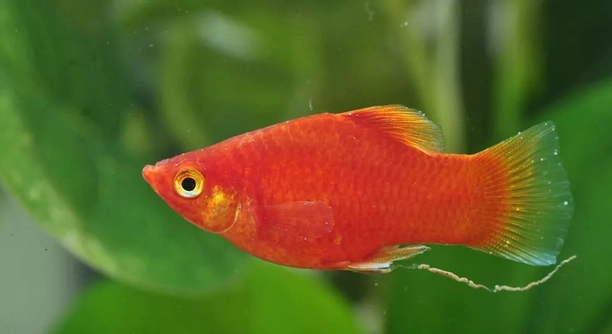
Many aquarium owners enjoy watching their platies swim gracefully across the tank. Sometimes, however, these fish appear off-balance, tilting or struggling to stay upright. This behavior can be concerning for anyone who cares about their aquatic pets.
Platies swim off-balance mainly due to swim bladder issues, which affect their buoyancy and control. Other causes include water quality problems, infections, or physical injuries that impair their ability to swim normally.
Understanding these causes can help you take better care of your platy and improve its swimming behavior. The following information will guide you through the common reasons behind this problem.
Common Causes of Off-Balance Swimming in Platies
Swim bladder disorder is the most frequent reason platies swim off-balance. The swim bladder helps fish control their buoyancy, allowing them to stay upright and move smoothly. When this organ is affected, the fish may float unevenly or have trouble swimming straight. Poor water quality can also stress platies and damage their swim bladder. High ammonia or nitrate levels in the tank create a toxic environment that impacts their health. Additionally, bacterial or parasitic infections may cause swelling or injury that disrupts swimming patterns. Physical injuries, such as fin damage or deformities, can make swimming difficult. Overfeeding or eating the wrong foods might lead to bloating, which puts pressure on the swim bladder. Regular tank maintenance and a balanced diet are key to preventing these issues. Observing your platy closely helps identify symptoms early and improves its chance for recovery.
Maintaining clean water and monitoring diet can reduce swim bladder problems in your platy. This keeps their swimming natural and balanced.
Knowing the root causes of swim bladder issues can help you provide timely care. Adjusting tank conditions and feeding habits will improve your platy’s quality of life.
How to Improve Your Platy’s Swimming
Start by testing the water regularly to keep ammonia, nitrite, and nitrate levels low. Clean the tank often, removing uneaten food and waste. Feeding your platy small amounts of high-quality food prevents bloating. You might add peas to their diet, as they help with digestion and reduce swim bladder stress. If you see signs of infection, isolate the fish and consider appropriate medication after consulting a vet or aquarium specialist. Avoid sudden temperature changes, as they can shock your platy and worsen swimming issues. Providing plenty of hiding spots reduces stress and supports recovery. Patience is important; healing can take several days to weeks depending on the cause. Consistent care will gradually restore your platy’s ability to swim normally.
With the right environment and attention, your platy can regain its balance and swim comfortably again.
Diagnosing Swim Bladder Issues
Swim bladder problems often show as floating upside down, tilting sideways, or sinking to the bottom. Watch your platy’s behavior closely for these signs.
If your platy is swimming abnormally, check water conditions first. Poor water quality worsens swim bladder issues. Test for ammonia, nitrites, and nitrates, and do partial water changes if needed. Overfeeding can cause bloating that pressures the swim bladder. Feed smaller portions and avoid high-fat foods. Observe if the fish’s belly looks swollen or if it struggles to rise in the water. These symptoms help confirm swim bladder trouble. In some cases, infections or injuries might cause similar signs, so look for redness, spots, or torn fins.
Treatment includes improving water quality and adjusting diet. You can try feeding shelled peas, which help clear digestive blockages affecting the swim bladder. Keep your platy in a calm environment to reduce stress while it recovers.
Preventing Swim Bladder Problems
Maintaining stable water conditions is key to preventing swim bladder problems. Regular water testing and cleaning keep toxins low and your fish healthy.
A balanced diet helps avoid bloating and digestion issues that strain the swim bladder. Feed your platy small amounts two to three times daily and remove leftover food promptly. Avoid fatty or processed fish foods. Adding occasional fresh vegetables like peas supports digestion and reduces swim bladder stress. Keep the tank temperature steady and avoid overcrowding, as stress weakens fish immunity. Regularly check your platy for early signs of distress. Taking these steps will help maintain your platy’s buoyancy and swimming ability over time.
Tank Environment and Its Impact
A clean and stable tank environment supports healthy swimming in platies. Dirty water or sudden changes can stress fish and cause swim bladder issues.
Consistent temperature and proper filtration reduce the risk of infections that affect swimming. Maintaining good water quality is essential for your platy’s balance and well-being.
Common Infections Affecting Swimming
Bacterial and parasitic infections often cause abnormal swimming in platies. These infections may lead to swelling, fin damage, or internal problems affecting buoyancy. Signs include lethargy, discoloration, and rapid gill movement. Early detection and treatment with appropriate medication improve recovery chances and prevent worsening of symptoms.
When to Seek Professional Help
If your platy’s swimming does not improve after basic care and treatment, consult a veterinarian or aquarium specialist. They can diagnose underlying issues and recommend advanced treatments to restore your fish’s health.
FAQ
Why does my platy swim tilted or upside down?
Swimming tilted or upside down usually means the swim bladder is not working properly. This organ controls buoyancy, so when it’s affected by infections, injury, or poor water conditions, your platy struggles to stay balanced. Overfeeding and bloating can also put pressure on the swim bladder, causing this issue.
Can overfeeding cause swim bladder problems?
Yes, overfeeding is a common cause of swim bladder issues. When a platy eats too much or the wrong types of food, it can become bloated. This bloating pushes against the swim bladder, making it hard for the fish to control its swimming and balance.
How often should I feed my platy to avoid these issues?
Feed your platy small amounts two to three times a day. Remove any uneaten food after a few minutes to prevent water pollution and avoid overfeeding. A balanced diet with occasional vegetables like peas can help digestion and prevent swim bladder stress.
What water conditions are best for platies?
Platies thrive in clean water with stable temperatures around 72-78°F (22-26°C). Ammonia and nitrite levels should be zero, and nitrates kept low. Regular water testing and partial water changes help maintain these conditions and keep your platy healthy.
How can I tell if my platy has an infection?
Look for signs like redness, swelling, torn fins, white spots, or unusual lethargy. If your fish swims abnormally and shows any of these symptoms, it may have a bacterial or parasitic infection. Early treatment is important to avoid serious health problems.
Are there any home remedies for swim bladder issues?
Feeding shelled, cooked peas can help relieve mild swim bladder problems caused by constipation. Improving water quality and reducing stress also support recovery. However, if symptoms persist, medication or professional help may be necessary.
Should I isolate a platy with swimming problems?
Isolating a sick platy can reduce stress and prevent the spread of infections. Use a quarantine tank with clean water and proper temperature. This also allows you to monitor the fish more closely and provide targeted treatment if needed.
Can poor tank setup cause swimming problems?
Yes, overcrowded tanks or poor filtration can lead to stress, disease, and swim bladder issues. Ensure your tank size suits the number of fish and maintain a good filtration system to keep water clean and oxygen-rich.
How long does it take for a platy to recover from swim bladder problems?
Recovery time varies depending on the cause and treatment. Mild cases may improve within a few days with diet changes and better water quality. More serious infections or injuries can take weeks and may require medication and close care.
Is it normal for platies to swim off-balance sometimes?
Occasional slight tilting can happen but persistent or severe off-balance swimming is not normal. Regularly observing your fish helps catch problems early and improves their chances of a full recovery.
Can temperature changes affect platy swimming?
Sudden temperature fluctuations can shock platies and worsen swim bladder or other health problems. Keeping a steady temperature within their preferred range is important for stable swimming and overall health.
What foods are best for maintaining a healthy swim bladder?
A varied diet including high-quality flake food, frozen or live brine shrimp, and vegetables like peas supports digestion and swim bladder health. Avoid fatty or processed foods that can cause bloating.
When should I contact a vet for my platy?
If swimming problems continue after correcting water conditions and diet, or if your platy shows severe symptoms like swelling, bleeding, or constant sinking, a vet or aquarium specialist should be consulted for diagnosis and treatment.
Swim bladder problems are a common cause of off-balance swimming in platies, but they are often manageable with the right care. Keeping the tank clean and stable is one of the most important steps you can take. Regular water testing and partial water changes help maintain good water quality, which supports your platy’s overall health. Feeding small portions of balanced food and including occasional vegetables like peas can reduce the chance of bloating that affects the swim bladder. Watching your fish daily helps catch any early signs of problems before they get worse.
If your platy does swim off-balance, try to identify the cause quickly. It could be swim bladder disorder, infection, injury, or poor water conditions. Each cause has its own solution, but improving the environment and diet is a good place to start. For mild swim bladder issues, feeding peas and reducing feeding amounts often helps. When infections are involved, medication and isolation may be necessary. Patience is important, as recovery can take days or weeks. Don’t hesitate to reach out to an aquarium specialist or vet if the problem persists or worsens.
Overall, proper tank maintenance and a good feeding routine make a big difference in preventing swimming problems. Your platy will be happier and healthier when it can swim normally without stress. Paying attention to water quality, diet, and behavior creates the best chance for a long and balanced life for your fish. Taking these simple steps shows you care about your platy’s well-being and helps keep your aquarium a pleasant place to watch and enjoy.

Hello,
If you enjoy the content that we create, please consider saying a "Thank You!" by leaving a tip.
Every little bit helps us continue crafting quality advice that supports the health, happiness, and well-being of pets around the world, for pets of all shapes, sizes, and species.
We really appreciate the kindness and support that you show us!