
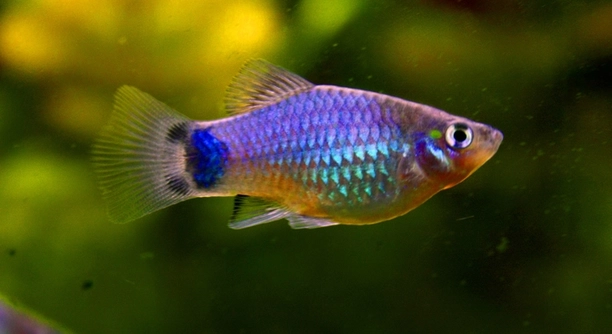
Many fish owners enjoy keeping platys as peaceful and colorful additions to their tanks. However, platys can sometimes show signs of stress or unhappiness when living with certain tank mates. Recognizing these signs early helps maintain a healthy aquarium environment.
Platys display unhappiness through changes in behavior, coloration, and interactions with other fish. Common indicators include hiding, aggression, loss of appetite, and lethargy. Monitoring these behaviors can assist in identifying issues caused by incompatible tank mates.
Knowing these signs allows you to create a better home for your platys and improve their well-being in the tank.
Changes in Behavior and Activity Levels
Platys usually swim actively and interact calmly with other fish. When they feel stressed or uncomfortable with their tank mates, their behavior changes noticeably. They may start hiding more often, staying in corners, or avoiding the main swimming areas. Some platys become unusually aggressive or chase others, which is not typical for their species. A drop in activity or spending more time near the bottom of the tank can also signal unhappiness. These changes often mean the platy is feeling threatened or uneasy in its environment. It is important to watch these signs closely, as prolonged stress can affect their health. Early detection allows you to make adjustments to the tank setup or choose different companions to improve their well-being.
Monitoring your platy’s activity regularly helps you catch early signs of distress. Subtle changes can quickly grow into serious issues if ignored.
Understanding how your platy usually behaves will make it easier to spot when something is wrong. Noticing if your platy is less active or hiding can prompt you to check for problems like bullying or overcrowding. Adjusting tank mates or rearranging decorations can give your platy a safer space. Sometimes simply adding more plants or hiding spots reduces stress. Keeping a peaceful environment encourages your platy to swim freely and interact normally. If aggression persists, consider separating aggressive fish to prevent harm. These steps can improve your platy’s comfort and overall health.
Color and Appearance Changes
Platys that feel unhappy or stressed often show changes in their color and physical condition. Their bright colors may fade, or their scales can look duller than usual. Some may develop small spots, torn fins, or other signs of poor health caused by stress or aggression. These physical changes are signals that the fish is not thriving in its current environment. Paying close attention to your platy’s appearance can give clues about how well it is adapting to tank mates and surroundings. When you notice these signs, it may be time to re-evaluate the fish group or tank conditions to reduce stress.
A healthy platy usually has vibrant, clear colors and smooth fins without damage.
Stress can weaken a platy’s immune system, making it more vulnerable to illness. Dull coloration often shows that the fish is not feeling well, which can be linked to aggressive tank mates or poor water quality. It is important to keep the tank clean and maintain good water conditions to support your platy’s health. If fin damage is present, it may be caused by nipping or chasing from other fish. Separating aggressive species or providing more hiding spaces helps reduce injury. Regular observation and care improve the chances your platy will regain its bright appearance and feel secure with its tank mates.
Appetite and Eating Habits
A sudden change in your platy’s appetite often points to stress or discomfort caused by tank mates. Loss of interest in food or eating less than usual can signal that your platy is unhappy.
When platys feel threatened or stressed, they may avoid eating altogether. Aggressive tank mates can intimidate them during feeding times, causing the platy to miss meals or eat less. This can lead to weight loss and weakened health if not addressed. Sometimes, stress affects their digestion, making them less interested in food. Ensuring that your platy has safe, quiet spots to eat can help improve their feeding habits. Providing food in multiple locations or at different times might reduce competition and stress.
Monitoring feeding behavior is important because it reveals how well your platy adapts to the tank environment. A consistent decrease in appetite requires changes in tank setup or fish companions. Making sure your platy feels safe during feeding helps maintain its energy and overall health.
Signs of Aggression
Aggression between tank mates can cause a platy to become stressed or injured. Watch for chasing, nipping, or sudden attacks.
When platys face aggression, they often try to escape or hide, which can reduce their swimming time and enjoyment. Constant harassment from other fish leads to stress, making them vulnerable to disease. Aggressive behavior also damages fins and scales, which may cause infections. Tank mates that are naturally territorial or fast swimmers may intimidate platys. It is important to recognize these behaviors early. Separating aggressive fish or rearranging the tank can reduce conflicts and improve harmony. Providing plenty of hiding spots gives your platy a safe retreat when needed. A peaceful environment helps all fish coexist better.
Hiding More Than Usual
Platys that hide frequently may be feeling stressed or threatened by tank mates. Excessive hiding limits their normal swimming and social behavior, signaling discomfort.
If your platy spends most of the time behind plants or decorations, it’s a sign they don’t feel safe. This behavior often indicates they are avoiding aggressive or overly active tank mates.
Changes in Breathing Patterns
Rapid or heavy breathing can indicate stress or poor water conditions. When platys struggle to breathe, it is often a sign of distress linked to tank mate aggression or overcrowding.
Avoiding Tank Mates
Platys that actively avoid certain fish show clear signs of unhappiness. They may swim away quickly or keep a distance from specific tank mates to stay safe.
What tank mates should I avoid with platys?
Platys do best with peaceful, non-aggressive fish. Avoid keeping them with large, territorial, or fin-nipping species like cichlids or aggressive barbs. Fast, aggressive fish can stress platys, causing them to hide or lose color. Small schooling fish like neon tetras or peaceful gouramis often make better companions. Always research compatibility before adding new fish to your tank.
How can I tell if my platy is stressed because of other fish?
Signs include hiding more than usual, loss of appetite, faded colors, or unusual aggression. Rapid breathing and damaged fins may also indicate stress. Observe interactions closely—if your platy is chased, nipped, or forced into corners, these are clear stress signals caused by tank mates. Stress often leads to illness, so quick action is important.
Can tank size affect my platy’s happiness?
Yes, a crowded tank increases stress and aggression. Platys need enough space to swim freely and avoid conflicts. A small tank with too many fish can cause territorial disputes and limit hiding spots. Ideally, a 20-gallon tank or larger is better for a group of platys with compatible species.
What should I do if I notice aggressive behavior toward my platy?
Separate aggressive fish immediately to prevent injury. Rearranging the tank layout can reduce territorial behavior. Add more plants and hiding spots to give your platy safe areas. If aggression continues, consider rehoming aggressive fish and replacing them with peaceful species. Maintaining good water quality also helps reduce stress.
How often should I check on my platy’s behavior?
Daily observation is best. Watching your platy’s activity, color, and interaction with other fish helps catch problems early. Quick detection allows you to adjust tank mates, environment, or feeding to improve their comfort. Keeping a close eye prevents long-term stress and health issues.
Is it normal for platys to hide sometimes?
Yes, platys sometimes hide for rest or to feel secure. However, constant hiding or spending most time out of sight suggests stress or discomfort. Healthy platys swim actively and explore the tank regularly. Persistent hiding often means tank mates or conditions need attention.
Can water quality impact my platy’s happiness with tank mates?
Absolutely. Poor water conditions can increase stress and aggression among fish. Dirty or unbalanced water makes platys weaker and more vulnerable to attacks or illness. Regular water changes, filtration, and testing keep the environment stable and help all fish coexist peacefully.
How do I introduce new fish to avoid upsetting my platy?
Introduce new fish slowly and watch for signs of aggression. Quarantine new arrivals to prevent disease. Add plants or decorations before adding new fish to break sightlines and reduce territorial disputes. Feeding multiple spots in the tank also reduces competition. Patience helps platys adjust to new companions.
What are safe tank mates for platys?
Good tank mates include small peaceful fish such as guppies, mollies, Corydoras catfish, and peaceful tetras. These species usually do not bother platys and share similar water requirements. Always consider fish size, temperament, and swimming level when choosing companions.
Can I keep platys with shrimp or snails?
Yes, many keep platys with peaceful invertebrates like shrimp and snails. They generally do not compete or cause stress. However, some larger or aggressive fish might nip at shrimp, so monitor carefully. Providing plenty of hiding places helps protect smaller tank inhabitants.
Taking good care of your platy means paying close attention to how it behaves and interacts with other fish in the tank. Platys are usually peaceful and social, but they can become stressed or unhappy if their tank mates are not a good fit. Signs like hiding, changes in color, loss of appetite, or aggression can show that your platy is uncomfortable. Recognizing these signs early is important because it helps you take action before the situation worsens. Adjusting the tank environment or choosing better tank mates can make a big difference in your platy’s health and happiness.
Creating a calm and safe space in the tank is key to keeping platys comfortable. Providing enough room, hiding spots, and peaceful companions helps reduce stress. Sometimes, even small changes like rearranging decorations or adding plants can help your platy feel more secure. It is also important to maintain good water quality by doing regular water changes and checking the tank’s conditions. Healthy water supports your platy’s immune system, making it easier for them to cope with minor stress. Keeping an eye on your fish and acting quickly when you see trouble will help prevent long-term problems.
Your platy’s happiness depends a lot on the environment you provide and the company it keeps. Choosing compatible tank mates and avoiding aggressive fish helps maintain peace. Remember that every fish has its own personality, so watch how your platys respond to their tank mates over time. If you notice ongoing stress or harm, consider making changes to improve the situation. Caring for platys means creating a balanced, comfortable home where they can swim freely and stay healthy. With careful attention, your platys can thrive and bring color and life to your aquarium.

Hello,
If you enjoy the content that we create, please consider saying a "Thank You!" by leaving a tip.
Every little bit helps us continue crafting quality advice that supports the health, happiness, and well-being of pets around the world, for pets of all shapes, sizes, and species.
We really appreciate the kindness and support that you show us!