
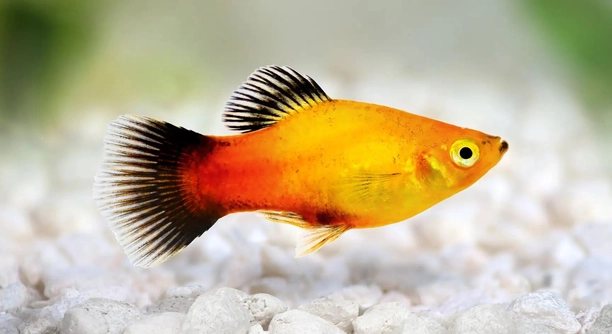
Platies are popular freshwater fish known for their bright colors and peaceful nature. After feeding, some owners notice their platies acting slow or dazed. This behavior can be concerning if you are not familiar with what causes it in these fish.
Platies appearing dazed after feeding is often linked to their digestive process and water quality factors. Slow movement may result from the energy needed to digest food or mild stress caused by changes in water parameters, both of which affect their normal behavior.
Understanding why platies behave this way helps maintain their health and environment. Learning these details can make caring for your fish easier and more rewarding.
Why Do Platies Act Dazed After Feeding?
Platies often seem slow or dazed after eating because their bodies are focusing on digestion. When fish eat, their metabolism increases to process the food, which can make them less active temporarily. Also, if they eat too much or the food sinks quickly, they may struggle to digest efficiently. This can cause them to float or swim sluggishly as their system works harder. Another factor is water quality. Uneaten food can pollute the water, leading to changes in oxygen levels or increased toxins. These environmental shifts can also affect how your platies behave. Monitoring feeding amounts and keeping the tank clean helps maintain stable conditions. This supports your platies in digesting comfortably and prevents them from appearing dazed after meals.
Poor water quality impacts fish health beyond feeding times. Regular testing and maintenance keep your tank environment healthy for your platies.
Feeding your platies smaller amounts more frequently can improve digestion. Removing leftover food quickly prevents water pollution. A clean, stable environment helps platies stay active and healthy after feeding.
The Impact of Water Quality on Platies’ Behavior
Water quality directly affects platies’ behavior, especially after feeding. Uneaten food and fish waste increase ammonia and nitrite levels, which stress fish. Stress can make platies appear lethargic or disoriented. Ammonia buildup reduces oxygen availability in the water, causing fish to breathe harder and move slower. Maintaining regular water changes is essential to reduce harmful substances. Using a good filtration system also helps keep water clear and healthy. Testing water parameters weekly ensures conditions remain safe for your fish. Keeping the tank clean minimizes stress and supports normal behavior after feeding.
Consistent tank maintenance prevents toxic buildup and supports your platies’ wellbeing.
When water quality is good, platies digest food efficiently and stay energetic. A balanced environment reduces stress-related behaviors. Avoid overfeeding to limit leftover food, which can degrade water quality. Pay attention to your tank’s cleanliness to keep your platies healthy. By managing water conditions carefully, you create a comfortable space where your fish can thrive without appearing dazed after meals.
Feeding Habits and Their Effects
Platies often eat quickly, which can cause digestive issues. Eating too much or too fast may lead to bloating and sluggishness. Feeding smaller amounts more often helps prevent these problems.
Overfeeding puts stress on platies’ digestive systems. When they consume excessive food, it can lead to constipation or swim bladder issues. These problems make them swim oddly or appear dazed. Feeding in controlled portions helps keep their digestion smooth and prevents discomfort. Watching how much your platies eat and adjusting the quantity is important to their health.
Using high-quality food also supports digestion. Avoid low-grade flakes or pellets that expand in the stomach and cause bloating. Offering a balanced diet with occasional live or frozen foods can improve your platies’ digestion and energy levels. This approach helps your fish stay alert and active after feeding.
Signs of Stress and How to Reduce It
Stress affects platies’ behavior after meals. Changes in temperature, poor water quality, or overcrowding can make fish appear dazed or lethargic. Identifying stress signs early helps prevent long-term health issues.
Stress weakens immune systems and slows metabolism, making digestion less efficient. Keeping a stable environment with proper tank size and regular water changes reduces stress. Minimizing sudden changes in water conditions, such as temperature swings or chemical fluctuations, also supports fish wellbeing. Ensuring your platies have enough space to swim freely helps them stay calm and healthy.
Adding plants and hiding spots provides comfort and reduces stress. A peaceful tank environment encourages natural behavior, including active feeding and smooth digestion. By reducing stress, your platies will recover quickly after feeding and maintain better overall health.
Common Health Issues After Feeding
Digestive problems are a frequent cause of platies acting dazed. Constipation and swim bladder disorders can result from improper feeding habits. These conditions affect their buoyancy and movement.
Swim bladder issues often make fish float unevenly or struggle to stay balanced. Proper feeding routines and good water quality reduce these health problems and help platies recover faster.
Monitoring Your Platies’ Behavior
Regularly observing your platies after feeding helps detect early signs of health or environmental problems. Noticing changes in swimming patterns or activity levels can signal issues.
Prompt attention to these signs allows for quicker adjustments in feeding, tank maintenance, or treatment. Early intervention supports your platies’ long-term health and comfort.
Adjusting Feeding Practices
Feeding smaller amounts multiple times a day reduces digestive stress. Avoid overfeeding to prevent bloating and water contamination.
Tank Environment Tips
Keep the tank clean and stable. Proper filtration and water changes improve platies’ health and behavior.
FAQ
Why do my platies look dazed right after feeding?
Platies may seem dazed after eating because their bodies are working hard to digest the food. Digestion slows down their movements temporarily. Also, if they overeat or the food is hard to digest, they might swim sluggishly or float awkwardly. This behavior usually improves as digestion finishes.
Is it normal for platies to be less active after meals?
Yes, it is normal. Like many fish, platies reduce activity to conserve energy while digesting. However, if lethargy lasts too long or seems extreme, it could signal digestive issues or poor water conditions.
Can overfeeding cause platies to act dazed?
Overfeeding is a common reason for dazed behavior. Eating too much stresses their digestive system, which may lead to bloating or swim bladder problems. Feeding smaller, controlled portions helps prevent these problems and keeps platies more active.
How often should I feed my platies?
Feeding small amounts two to three times a day is best. This schedule supports proper digestion and prevents leftover food from polluting the tank. Avoid one large meal that can overwhelm their system and cause sluggishness.
What kind of food is best for platies?
High-quality flakes or pellets made specifically for tropical fish are good options. Adding occasional live or frozen foods like brine shrimp or daphnia improves their diet and digestion. Avoid foods that expand in water, as they can cause bloating.
Can poor water quality affect platies after feeding?
Yes. Uneaten food and fish waste increase toxins like ammonia and nitrites, which stress platies. Stress lowers their energy and slows digestion, causing dazed behavior. Regular water changes and testing keep the environment safe.
How can I improve water quality for my platies?
Perform weekly water changes of 20-30%. Use a reliable filter to remove waste and maintain oxygen levels. Test water regularly for ammonia, nitrites, and nitrates. Keeping the tank clean reduces stress and helps your fish digest food better.
Are there signs that my platies have digestive issues?
Signs include bloating, swollen bellies, floating sideways, or difficulty swimming. Constipation can also make platies appear inactive or strained. These symptoms often appear after feeding and require prompt attention.
What should I do if my platies show swim bladder problems?
Stop feeding for a day or two to let their digestive system rest. Feed peas (shelled and cooked) in small amounts to help relieve constipation, which often causes swim bladder issues. Maintain clean water and avoid overfeeding to prevent recurrence.
Can stress cause platies to act dazed after feeding?
Stress from poor water conditions, overcrowding, or sudden changes can reduce platies’ activity. Stress weakens their digestion and immune system, making them appear dazed. Creating a calm, stable environment reduces stress and supports healthy behavior.
How can I reduce stress in my platies’ tank?
Keep water temperature stable and within 72-78°F (22-26°C). Avoid sudden water changes and overcrowding. Add plants and hiding spots for comfort. Regular maintenance and gentle handling also help keep stress low.
Is it normal for platies to float near the surface after eating?
Platies might float near the surface if they have digestive discomfort or swim bladder problems. This behavior can also indicate low oxygen levels. Check water quality and feeding habits to address the cause.
When should I worry about dazed behavior?
If your platies remain lethargic for several hours or days, have difficulty swimming, or show physical symptoms like bloating, consult a vet or aquatic specialist. Persistent dazed behavior may signal illness needing treatment.
Can changing feeding habits improve platies’ behavior?
Yes. Feeding smaller portions more often, choosing proper food, and removing uneaten leftovers greatly improve digestion and activity. Consistency in feeding times also helps platies stay healthy and active.
Does tank size affect how platies behave after feeding?
A tank that is too small can increase stress and reduce water quality, both of which affect digestion. Providing enough space (at least 10 gallons for a small group) supports healthier behavior after meals.
Are live plants helpful for platies’ digestion or behavior?
Live plants improve water quality by absorbing nitrates and offer hiding spots, reducing stress. A calm environment encourages normal digestion and activity. Plants can indirectly help platies avoid dazed behavior after feeding.
Can temperature swings cause platies to act dazed?
Sudden temperature changes can stress platies, slowing their metabolism and digestion. Keeping the water temperature steady helps fish digest food properly and stay energetic.
How long does it take for platies to recover after feeding?
Platies usually recover within 30 minutes to a few hours after feeding. If they stay inactive longer, it may indicate digestive or environmental issues that need to be addressed.
Final Thoughts
Platies acting dazed after feeding is a common observation that many fish owners notice at some point. This behavior often relates to the natural digestive process and how their bodies respond to food intake. When platies eat, their metabolism works harder to break down the food, which can slow their movements and make them appear less alert for a short time. It is important to understand that this reaction is usually temporary and normal if your fish return to their usual activity after some time. Observing this behavior without panic helps you provide better care for your fish.
Several factors influence why platies might seem dazed, including feeding habits, water quality, and stress levels. Overfeeding is a significant factor that can cause digestive troubles, making fish sluggish or bloated. Feeding smaller portions more frequently can reduce these problems and keep your platies comfortable. In addition, maintaining clean water by performing regular water changes and using a good filtration system helps prevent toxin buildup that stresses fish. Stress from overcrowding or sudden environmental changes can also slow digestion and activity. By keeping the tank stable and comfortable, your platies are more likely to stay healthy and active.
Caring for platies requires attention to their feeding routines and tank conditions to avoid prolonged dazed behavior. Watching their reactions after feeding lets you notice early signs of health or environmental issues. Making small adjustments, like improving water quality or changing feeding amounts, can significantly improve their well-being. Remember, patience and consistent care help your platies thrive. Understanding their needs and behaviors leads to a more enjoyable experience with your fish and a healthier aquarium overall.

Hello,
If you enjoy the content that we create, please consider saying a "Thank You!" by leaving a tip.
Every little bit helps us continue crafting quality advice that supports the health, happiness, and well-being of pets around the world, for pets of all shapes, sizes, and species.
We really appreciate the kindness and support that you show us!