
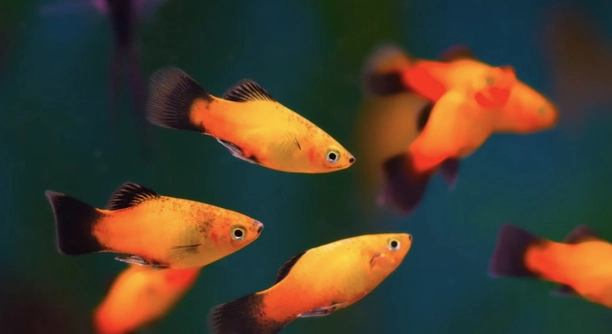
Many platies enjoy swimming around their tank and exploring different areas. Sometimes, one platy might spend a lot of time near the filter, away from other fish. This behavior can make owners wonder why their platy prefers being alone in that spot.
Platies often stay behind the filter because it offers a safe, quiet place away from tankmates and strong currents. This area provides shelter and a sense of security, which some fish seek when feeling stressed or needing rest.
Learning why your platy chooses this spot can help you create a better environment for it. Understanding these behaviors encourages a healthier and more comfortable aquarium for your fish.
Why Platies Like to Stay Near the Filter
Many platies are drawn to the area behind the filter because it offers a quiet, protected space. Filters create gentle water flow, which can attract fish looking for a calm spot to rest. The filter also provides hiding places where platies feel safer from more active or aggressive tankmates. Sometimes, the water near the filter is slightly warmer or has better oxygen levels, which makes it more comfortable for the fish. In community tanks, shy platies often seek refuge behind the filter to avoid constant swimming and attention from other fish. This behavior is natural and shows the fish’s way of coping with its environment. Watching your platy calmly stay near the filter can mean it is feeling secure and relaxed, even if it seems alone.
The filter area can be a platy’s safe zone, helping it reduce stress and avoid conflict with other fish in the tank.
Knowing why your platy prefers this spot can help you improve the tank layout. Adding plants or decorations near the filter creates more safe zones, encouraging your fish to explore other areas. Also, ensuring the filter’s water flow is not too strong will keep your platy comfortable. Keeping water quality high around the filter helps your fish stay healthy and active. When platies feel secure, they show brighter colors and more playful behavior. This small adjustment can improve your fish’s overall happiness and reduce their need to hide.
Signs Your Platy May Be Stressed or Unwell
Sometimes, spending too much time behind the filter can signal stress or illness. If your platy stays there motionless for long periods or avoids food, it might not feel well. Check for changes in color, breathing patterns, or any visible spots on its body. Stress can come from poor water quality, aggressive tankmates, or incorrect tank temperature. Ensuring regular water changes and monitoring tank conditions will support your platy’s health. If the behavior continues, consider isolating your fish to observe it more closely. Healthy platies are usually active and curious, so a sudden change in habits is worth attention.
Stress can cause a platy to hide more often, so observing its overall behavior helps detect problems early.
To help your platy recover, maintain stable water parameters, and avoid sudden changes in the tank. Adding gentle aeration and plants can create a calming environment. Also, feeding high-quality food in small amounts encourages better appetite and energy. If you suspect illness, consulting a vet or aquatic specialist ensures proper treatment. Taking these steps will support your platy’s wellbeing and help it feel comfortable in the aquarium again. Consistency and care go a long way in keeping your fish happy and healthy.
How Tank Setup Affects Platy Behavior
The size and layout of your tank can impact where your platy spends time. A crowded or bare tank may push your fish to seek shelter behind the filter.
Proper tank setup includes enough space, plants, and hiding spots. Platies like to explore, but they also need areas where they feel safe. Adding decorations or live plants near the filter creates more comfort zones. This helps your fish feel secure without isolating itself in one spot.
Water flow from the filter should be moderate. Too strong a current can stress your platy and cause it to hide. Positioning the filter outlet so the water movement is gentle lets your fish swim freely around the tank. This encourages more active behavior and reduces hiding behind the filter.
Social Dynamics in a Community Tank
Platies are social fish but sometimes avoid others to reduce stress. Dominant or aggressive tankmates may cause your platy to retreat behind the filter.
Keeping compatible species and monitoring interactions is important. If one fish chases or nips at your platy, it will seek refuge. Rearranging decorations can break sightlines and reduce aggression. Providing enough hiding places for all fish helps everyone feel safe.
Watching how your platy interacts with tankmates gives clues about its comfort level. If it spends too much time hiding, consider adjusting the community or adding more plants. A peaceful environment encourages healthy social behavior and lets your platy swim confidently outside the filter area.
Water Quality and Its Impact
Poor water quality can make platies seek shelter behind the filter. High ammonia or nitrate levels stress fish and reduce their activity.
Regular water changes and testing keep the tank environment safe. Clean water encourages platies to explore and be more active throughout the tank.
Feeding Habits and Behavior
Platies sometimes stay near the filter because food particles gather there. They may wait for leftover flakes or pellets in this spot.
Ensuring a balanced diet and feeding in different tank areas helps your fish move around more. This can reduce their time spent hiding near the filter.
Temperature Preferences
Platies prefer stable water temperatures between 72°F and 78°F. If the tank is too cold or too warm, they may stay near the filter where conditions feel better.
Keeping consistent temperature supports their health and encourages them to swim freely throughout the aquarium.
FAQ
Why does my platy always stay behind the filter?
Platies often hide behind the filter because it feels safe and calm. The water flow there is usually gentler, and the area offers shelter from other fish. It’s a natural way for them to reduce stress and rest quietly. Sometimes, the filter creates a slightly warmer or more oxygen-rich spot, which they prefer.
Is it normal for platies to be alone?
Yes, platies sometimes prefer alone time, especially if they feel threatened or stressed. They are social fish but need safe spaces to retreat. If your platy only hides behind the filter occasionally, it’s usually fine. However, constant isolation may mean something is wrong with the tank conditions or social environment.
Can poor water quality cause hiding behavior?
Absolutely. Poor water quality stresses fish and makes them seek shelter more often. High ammonia, nitrite, or nitrate levels can cause discomfort, illness, or lethargy. Regular testing and water changes are crucial. Keeping water clean helps your platy feel safe and swim actively around the tank.
Could tankmates be making my platy hide?
Yes, aggressive or dominant tankmates can push your platy to hide behind the filter. Some fish may chase or nip at platies, making them feel unsafe. Watching fish interactions helps identify problems. Adding plants, rearranging decorations, or choosing peaceful tankmates can reduce stress and encourage social behavior.
Is the filter flow too strong for my platy?
Strong water flow from the filter can tire or stress your platy, causing it to hide. Platies prefer moderate currents they can swim against easily. Adjusting the filter outlet or using a sponge filter can reduce flow strength. This creates a comfortable environment where your fish can swim freely.
Does temperature affect where my platy stays?
Yes, platies prefer stable temperatures between 72°F and 78°F. If the water is too cold or too warm, they may seek refuge behind the filter where conditions are better. Using a reliable heater and thermometer helps keep temperature steady and suitable for your platy’s comfort.
How can I encourage my platy to explore more?
Creating a tank with plenty of plants, decorations, and hiding spots away from the filter encourages exploration. Feeding in different areas also helps. Make sure water conditions are stable and tankmates are peaceful. This reduces stress and makes your platy more confident to swim around.
Should I be worried if my platy hides a lot?
Hiding sometimes is normal, but constant hiding may signal stress, illness, or poor tank conditions. Check water parameters, temperature, and tankmates’ behavior. If your platy shows other signs like loss of appetite or color changes, consider consulting an expert. Prompt care helps prevent serious health issues.
Can adding plants improve my platy’s behavior?
Yes, live or artificial plants provide natural hiding places and reduce stress. They help break up the tank, so fish don’t feel exposed. Plants also improve water quality by absorbing nitrates. Adding plants near and away from the filter offers your platy more comfort zones.
What else can I do to improve my platy’s environment?
Maintain regular water changes, avoid overcrowding, and provide a varied diet. Monitor the filter’s flow and tank temperature. Keep tankmates compatible and peaceful. Observing your platy’s behavior closely lets you spot problems early. These steps help your fish live a healthy and happy life.
When a platy spends a lot of time behind the filter, it is usually because it feels safer there. Fish need places in the tank where they can rest and avoid stress. The area behind the filter often provides shelter from strong water currents and other tankmates. This space can feel like a quiet corner where the platy can relax. It is natural for fish to look for comfort when they feel overwhelmed or tired. Understanding this behavior helps tank owners create a better environment that supports their platy’s needs.
Water quality and tank conditions are very important for platies to stay healthy and active. Poor water quality can make fish feel uncomfortable and cause them to hide more often. Regular water changes, proper filtration, and keeping the water temperature steady all play a role in keeping the tank safe. When the water is clean and stable, platies are more likely to swim freely and show bright colors. Also, having enough plants and hiding spots throughout the tank gives your platy choices for where to go. This balance between open space and shelter makes the fish feel secure and encourages natural behavior.
It is also important to watch how your platy interacts with other fish. Aggressive or dominant tankmates can cause stress and push your platy to stay in one spot. Creating a peaceful community tank with compatible fish helps reduce hiding. Adjusting the tank layout, providing plenty of cover, and feeding in different areas can make your platy more confident. Paying attention to these details helps your fish stay healthy and happy. By caring for your platy’s environment and social needs, you support its well-being and enjoy a more active and lively aquarium.

Hello,
If you enjoy the content that we create, please consider saying a "Thank You!" by leaving a tip.
Every little bit helps us continue crafting quality advice that supports the health, happiness, and well-being of pets around the world, for pets of all shapes, sizes, and species.
We really appreciate the kindness and support that you show us!