
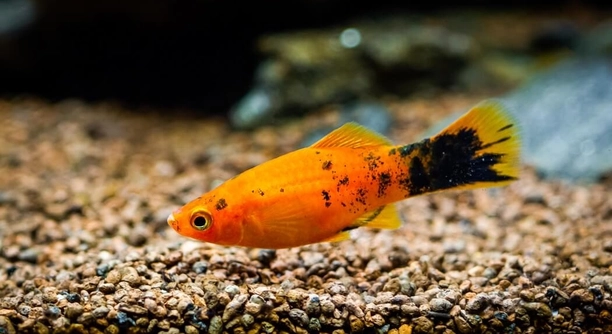
Keeping platies happy and healthy in your aquarium can sometimes feel challenging. These small fish need a calm and stable environment to thrive. Making the tank less stressful for them improves their wellbeing and colors.
To reduce stress for platies, it is essential to maintain clean water, provide proper tank size, ensure stable temperature, offer hiding spots, avoid overcrowding, feed balanced diets, and minimize sudden changes in their environment.
Knowing how to create a peaceful space for your platies will help them live longer and show their natural behaviors more often.
Keep the Water Clean and Stable
Platies are sensitive to water quality. Keeping their tank water clean is one of the best ways to reduce their stress. Regular water changes, about 20-30% weekly, help remove toxins like ammonia and nitrates. Using a good filter is important too. It keeps the water clear and healthy by removing debris and waste. Testing the water regularly for pH, ammonia, nitrites, and nitrates ensures the tank stays safe. Stable water conditions prevent sudden changes that can scare or harm platies. Avoid overfeeding as leftover food can pollute the water. When changing water, make sure the new water matches the tank’s temperature and pH. This prevents shocking the fish. Clean, stable water makes platies feel secure and promotes good health.
A clean tank is the foundation of a low-stress environment for platies. Consistency is key.
With clean and stable water, platies show better colors and more active swimming. It also lowers the risk of disease, helping your fish live longer and happier. This small effort in maintenance pays off in a peaceful tank atmosphere.
Provide Enough Space and Hiding Spots
Platies need enough room to swim freely. A small tank can cause stress and aggression among them. The minimum recommended tank size is 10 gallons for a small group. Adding plants, rocks, or decorations offers hiding places where platies feel safe. These spots help reduce fear and provide shelter from light or tank mates. Hiding places allow shy fish to rest and avoid bullying. Changing the tank layout occasionally can keep their environment interesting. Avoid overcrowding as it leads to poor water quality and stress. Giving platies space and shelter creates a comfortable home for them, reducing stress and encouraging natural behavior.
Maintain Stable Temperature
Platies are tropical fish that thrive between 72°F and 78°F. Sudden temperature changes can stress them out quickly. Using a reliable heater and thermometer helps keep the water steady. Avoid placing the tank near drafts or heat sources.
Keeping the temperature steady supports platies’ immune systems and reduces stress-related illnesses. Rapid temperature shifts weaken their defenses and can cause lethargy or hiding behavior. Consistent warmth encourages active swimming and feeding. It’s helpful to check the temperature daily to catch any issues early. A stable environment means healthier, happier fish.
Using a quality heater with an adjustable thermostat makes managing temperature easier. Combine this with regular checks and avoid quick water changes with different temperatures. Keeping these small fish comfortable improves their growth and color. A stable temperature creates a calm space where platies can flourish.
Feed a Balanced Diet
Platies need a mix of foods to stay healthy. High-quality flakes or pellets should be the base, supplemented with live or frozen foods like brine shrimp or bloodworms. This variety provides essential nutrients and keeps their diet interesting.
A balanced diet boosts platies’ immune systems and reduces stress. Feeding small amounts two to three times daily prevents overfeeding and water pollution. Avoid only feeding one type of food, as it can cause nutritional gaps. Including vegetables like blanched spinach or peas adds fiber and supports digestion. Feeding well supports natural behavior and bright colors, making your tank lively.
Feeding routines help maintain water quality by reducing waste. Observing how much your platies eat also gives clues to their health. When they eagerly eat and stay active, you know their diet is working well for them.
Avoid Overcrowding
Too many platies in one tank cause stress and poor water quality. Each platy needs enough space to swim and hide comfortably. Overcrowding increases competition for food and oxygen, leading to aggression and illness.
Maintaining a proper fish-to-gallon ratio helps keep your tank peaceful. A good rule is one inch of fish per gallon.
Minimize Sudden Changes
Platies react badly to sudden changes in their environment. Quick water changes, loud noises, or new tankmates can cause stress. Introduce changes slowly and carefully to avoid shocking them.
Gradual adjustments help platies feel secure and reduce stress-related health problems.
Monitor Behavior Closely
Watching your platies regularly helps catch early signs of stress or illness. Changes in swimming, eating, or color can indicate problems. Early detection allows for quick action to improve their environment or health.
Being attentive creates a safe and comfortable space for your fish.
FAQ
How often should I change the water in my platy tank?
Water changes are essential to keep platies healthy. Aim for a 20-30% water change every week. This helps remove waste, toxins, and leftover food. If your tank is heavily stocked or plants are few, more frequent changes might be needed. Always use dechlorinated water that matches the tank temperature to avoid shocking your fish.
What temperature is best for platies?
Platies do well in water between 72°F and 78°F. Keeping the temperature steady in this range helps reduce stress and supports their immune system. Sudden temperature drops or rises can cause health problems. Use a good heater with a thermostat and check the temperature daily to keep it stable.
Can I keep platies with other fish?
Yes, platies are peaceful and can live with other calm, similar-sized fish. Good tankmates include guppies, mollies, and swordtails. Avoid aggressive or much larger fish that may bully or eat them. Make sure the tank is big enough and has hiding places to reduce stress.
How much should I feed my platies?
Feed platies small amounts two to three times daily. Only give what they can eat in about 2-3 minutes to avoid leftover food polluting the tank. A balanced diet includes high-quality flakes or pellets and occasional live or frozen foods like brine shrimp or bloodworms.
Why are my platies hiding all the time?
Platies hide when stressed, scared, or sick. Common causes include poor water quality, sudden changes in temperature, overcrowding, or aggressive tankmates. Check your water parameters, make sure the temperature is stable, and provide plenty of hiding spots to help them feel safe.
What signs show that my platies are stressed?
Signs of stress include clamped fins, hiding more than usual, loss of color, rapid breathing, and lack of appetite. Stressed platies may also swim erratically or stay near the surface. Addressing water quality, diet, tank mates, and temperature can help reduce stress.
How can I prevent diseases in my platy tank?
Keeping the water clean, maintaining stable temperature, and feeding a balanced diet are key. Avoid overcrowding and quarantine new fish before adding them to the tank. Regular observation helps spot early signs of illness so treatment can begin quickly.
Do platies need plants in their tank?
Plants are beneficial for platies. They provide hiding spots and improve water quality by absorbing nitrates. Live plants also help reduce stress by making the environment feel more natural. If live plants are difficult to maintain, artificial plants can offer similar shelter.
Is it okay to keep male and female platies together?
Yes, male and female platies can live together, but be prepared for breeding. Platies are livebearers and can produce many fry. If you don’t want to increase the population, consider keeping only males or females or separating them.
How do I know if my platy is pregnant?
Female platies develop a rounded belly and a dark gravid spot near their anal fin when pregnant. They may also become less active and hide more often. Pregnancy lasts about 4-6 weeks, after which the female will give birth to free-swimming fry.
What is the best tank size for platies?
A minimum of 10 gallons is recommended for a small group of platies. This gives them enough room to swim and helps maintain good water quality. Larger tanks reduce stress and allow you to keep more fish or tankmates comfortably.
How do I acclimate new platies to my tank?
Float the sealed bag with the new platies in your tank water for about 15-20 minutes to equalize temperature. Then gradually add small amounts of tank water to the bag every 5 minutes for about 30-45 minutes. Finally, gently release the fish into the tank, avoiding adding the bag water.
Can I keep platies with shrimp or snails?
Yes, platies usually coexist well with peaceful shrimp and snails. These tank mates help clean leftover food and algae. Just make sure the tank has enough hiding places to protect shrimp from curious fish. Snails can also help maintain water quality by eating waste.
Final Thoughts
Creating a calm and healthy environment for platies takes some effort, but it is very rewarding. These fish are small but sensitive, so paying attention to their needs makes a big difference. Keeping the water clean, stable, and at the right temperature is the first step. Regular water changes and using a good filter help keep their home safe and comfortable. When the water is good, platies feel less stressed and are less likely to get sick. A steady environment helps them stay active and show their natural colors.
Providing enough space and hiding spots also matters a lot. Overcrowding can cause tension among platies and make the water dirtier faster. Plants, rocks, or decorations give them places to hide and relax. These spots make platies feel safer, especially when they want to rest or avoid other fish. Watching how many fish live in the tank and making sure the size fits the group helps keep the tank peaceful. A well-arranged tank where each fish has room to swim and hide leads to happier platies.
Feeding platies a balanced diet is another key part of care. High-quality flakes or pellets combined with occasional live or frozen food give them the nutrients they need. Feeding small amounts several times a day prevents leftover food from polluting the tank. Healthy fish are stronger and better able to handle minor stresses. Lastly, it is important to watch your fish regularly. Noticing changes in their behavior or appearance early can help you fix problems before they get worse. With steady care, attention, and a peaceful environment, platies can thrive and brighten any aquarium.

Hello,
If you enjoy the content that we create, please consider saying a "Thank You!" by leaving a tip.
Every little bit helps us continue crafting quality advice that supports the health, happiness, and well-being of pets around the world, for pets of all shapes, sizes, and species.
We really appreciate the kindness and support that you show us!