
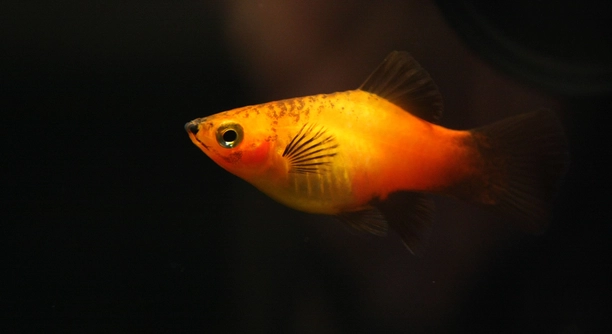
Many people enjoy keeping platies because they are colorful and easy to care for. Sometimes, platies may behave in ways that seem nervous or overly alert. Understanding why your platy acts this way can help improve its well-being.
Platies often act paranoid due to stress factors such as sudden changes in their environment, poor water quality, presence of predators, overcrowding, lack of hiding spots, improper diet, or illness. These conditions trigger their natural survival instincts and cause anxious behavior.
Recognizing these causes can help you create a safer and calmer environment for your platy to thrive.
Sudden Changes in the Environment
Platies are sensitive to changes in their surroundings. When you move their tank, change the lighting, or rearrange decorations, they can become stressed. This stress often makes them act jumpy or paranoid. Even small shifts in water temperature or chemistry can upset their comfort. Platies rely on a stable environment to feel safe. If something feels different, they may hide or swim nervously. It’s important to keep their habitat consistent. Try to introduce any changes slowly and carefully to avoid startling them. Regular maintenance and gradual adjustments can help platies feel secure and relaxed.
Sudden environment shifts are a common cause of anxiety in platies. Maintaining stability reduces stress and keeps them calm.
Making your tank stable means avoiding quick changes. Keep temperature steady, don’t rearrange decorations often, and monitor water quality carefully. Small habits like consistent feeding times also build trust. These steps help your platy settle in and feel more confident in its home. If your platy seems nervous, look for recent changes and try to reverse or slow them down.
Water Quality and Its Impact
Poor water quality quickly affects platies. Dirty or unbalanced water causes stress and health problems. They need clean, filtered water with the right pH and temperature to feel safe. High levels of ammonia or nitrates are harmful and make platies restless. Regular water tests and changes keep the tank healthy. A well-maintained aquarium reduces paranoia and supports their natural behavior. Keep in mind that platies come from clean streams, so their tank should mimic that as much as possible.
Clean water is key for your platy’s well-being and calm behavior.
To keep water quality high, test regularly for toxins and change 20-30% of the water weekly. Use a good filtration system and avoid overcrowding. Feeding only what they eat prevents waste build-up. When water is clean, platies are less likely to hide or swim nervously, showing their true, peaceful nature. Your attention to water care directly helps your platy feel safe and happy.
Presence of Predators
Platies are naturally cautious around predators. Even the sight or smell of aggressive fish can trigger paranoid behavior. They may dart around or hide frequently to avoid threats.
In a community tank, bigger or more aggressive fish can stress out your platy. This fear is instinctive and protects them from harm. If your tank mates chase or nip at the platy, it will react nervously. It’s important to choose peaceful tank companions to prevent this kind of stress. Providing plenty of plants and hiding spots helps platies feel safer and less exposed to potential threats. If predators are removed or separated, you will likely see your platy become calmer over time.
Ensuring your platy’s tank mates are compatible creates a peaceful environment. Regular observation helps spot bullying behavior early. When platies feel secure, they swim confidently and show more natural, relaxed movements.
Overcrowding and Lack of Space
Too many fish in one tank causes stress and paranoid behavior. Platies need enough room to swim freely and avoid constant competition for resources. Overcrowded tanks make them feel trapped and vulnerable.
When the tank is crowded, water quality often drops too, adding to stress. Platies in cramped spaces compete for food and hiding spots. This environment raises anxiety levels and can lead to illness. Providing an adequately sized tank with proper filtration reduces overcrowding stress. Adding plants and decorations creates visual barriers, which help platies feel less exposed. A balanced number of fish allows for peaceful interaction and reduces frantic or paranoid behavior. Adjusting tank population is a simple step toward a calmer, healthier platy community.
Lack of Hiding Spots
Platies need places to hide when they feel threatened. Without enough cover, they stay exposed and act nervous.
Adding plants, caves, or decorations gives them safe spots. This reduces their stress and helps them relax in the tank.
Improper Diet
A poor diet weakens platies and makes them more prone to stress. They need a balanced mix of protein, vegetables, and vitamins.
Feeding high-quality flakes, frozen, or live foods ensures they get proper nutrition. A healthy diet supports their immune system and overall well-being, reducing paranoid behavior.
Illness and Disease
When platies are sick, they often act paranoid or restless. Illness weakens them and causes discomfort, making them more alert to threats.
Signs of sickness include faded color, slow movement, and hiding more than usual. Prompt treatment is necessary to restore their health and calm behavior.
FAQ
Why does my platy hide all the time?
Platies hide when they feel stressed or unsafe. Common reasons include sudden changes in the tank, aggressive tank mates, poor water quality, or lack of hiding places. Providing plenty of plants and decorations helps your platy feel secure. Also, check if the tank conditions are stable and suitable for your fish.
How can I reduce my platy’s paranoia?
Keep the tank environment consistent and clean. Avoid sudden changes in temperature or decorations. Choose peaceful tank mates and add plenty of plants for hiding spots. Feeding a balanced diet and maintaining good water quality also reduces stress. Small, regular water changes help keep the water safe and stable.
What signs show my platy is stressed?
Signs of stress include hiding, rapid swimming, loss of appetite, faded colors, and clamped fins. Stressed platies may also dart around nervously or stay near the bottom of the tank. If you notice these behaviors, check water quality, tank mates, and diet for possible problems.
Can poor water quality cause paranoid behavior?
Yes. High ammonia, nitrite, or nitrate levels make platies uncomfortable and stressed. This causes them to act nervous and hide more. Regular testing and water changes keep the tank healthy. A good filter and not overcrowding also improve water quality, helping platies stay calm.
Do tank mates affect my platy’s behavior?
Aggressive or large fish can frighten platies, making them paranoid. Choose peaceful, similarly sized fish to avoid bullying. Watch how your platy interacts with other fish. If it looks scared or is chased, consider changing the tank mates or adding more hiding spots.
How often should I change the water for my platy?
Changing 20-30% of the water weekly is ideal. This keeps the water clean and balanced without shocking your fish. Use a water conditioner to remove chlorine and other harmful chemicals. Consistent water changes help maintain a healthy environment that reduces stress.
Is it normal for platies to be shy at first?
Yes. Platies may hide or act nervous when first introduced to a new tank. They need time to adjust and feel safe. Giving them plenty of hiding places and a quiet environment helps speed up this process. After a few days, most platies become more confident.
What foods are best to keep my platy healthy?
A mix of high-quality flakes, frozen or live foods like brine shrimp and bloodworms, and vegetable matter keeps platies healthy. Variety provides all necessary nutrients. Avoid overfeeding, which pollutes the water and causes stress. Feed small amounts 1-2 times a day.
Can illness cause paranoid behavior in platies?
Yes. Illness weakens platies, making them more alert to danger. Signs include loss of color, lethargy, and frequent hiding. Early treatment is important. Quarantine sick fish and use appropriate medication to prevent disease spread and help your platy recover quickly.
How do I know if my platy has enough hiding spots?
If your platy spends most of its time hiding or looks constantly stressed, it may need more cover. Add live plants, caves, or decorations to give places to retreat. A good tank setup balances open swimming space with plenty of hiding options to keep platies comfortable.
Final Thoughts
Keeping a platy happy and healthy takes some attention to detail. Platies are sensitive fish that respond strongly to their environment. When they act paranoid, it usually means something in their tank is causing stress or discomfort. Whether it is sudden changes, poor water quality, or aggressive tank mates, these factors can make your platy feel unsafe. Paying close attention to these details helps create a calm and stable home for your fish. Small changes on your part can make a big difference in how your platy behaves.
Providing a balanced diet, clean water, and plenty of hiding spots are key to reducing stress. Platies, like all fish, need stable conditions to thrive. Regular maintenance like water testing, changing some water weekly, and choosing peaceful companions improves their quality of life. When their basic needs are met, they show more natural, relaxed behavior. You will notice your platy swimming freely, exploring the tank, and showing bright colors. These signs mean your fish feels secure and well cared for.
It is normal for platies to show some nervousness, especially when introduced to new surroundings. However, if paranoid behavior continues, it is important to review the tank setup and daily care routine. Identifying and fixing problems early prevents illness and keeps your fish healthy. Observing your platy regularly helps catch signs of stress or sickness before they become serious. Overall, creating a safe and comfortable environment lets your platy live a happy life and reduces the chance of paranoid behavior.

Hello,
If you enjoy the content that we create, please consider saying a "Thank You!" by leaving a tip.
Every little bit helps us continue crafting quality advice that supports the health, happiness, and well-being of pets around the world, for pets of all shapes, sizes, and species.
We really appreciate the kindness and support that you show us!